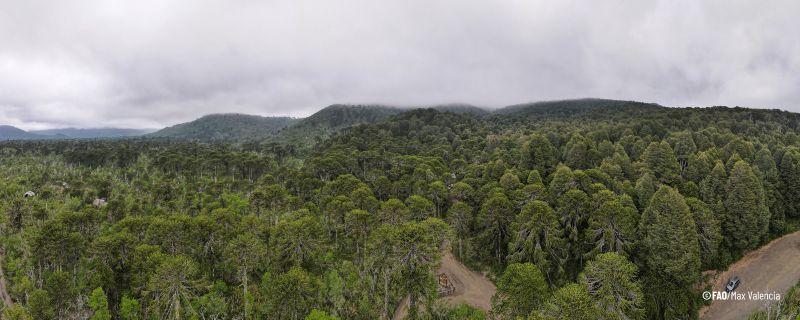
As it is known, forest carbon market governance in Latin America is undergoing rapid consolidation, driven by climate urgency and the region’s strategic forest ecosystems.
With vast biodiversity, extensive tropical forests with high carbon sequestration capacity, and growing international demand for Nature‑Based Solutions, the region has become a central actor in both voluntary and compliance carbon markets.
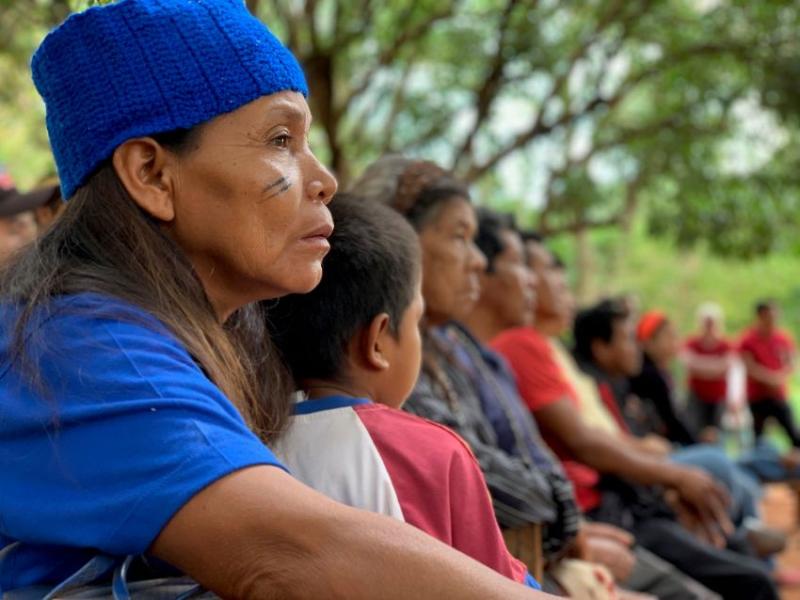
This potential places forest governance at the centre of climate debates. The environmental and social integrity of forest carbon credits depends on strong regulatory and institutional frameworks, transparency, and inclusive mechanisms that ensure fair participation and benefit‑sharing for local and Indigenous communities. As such, territorial forest governance is a cornerstone for delivering both climate and social benefits. Sustainable forest management requires robust governance frameworks that combine financial incentives, effective regulation and enforcement, and meaningful community engagement.
To move forward and accelerate learning opportunities, regional knowledge exchange is crucial. Since 2024, the Latin America and Caribbean Climate Action Platform on Agriculture (PLACA), led by the FAO Regional Office for Latin America and the Caribbean (RLC), has convened regional webinars on carbon markets.
These spaces aim to move beyond understanding mechanisms toward addressing who benefits, how, and under what rules, strengthening regional capacities and fostering more transparent, coordinated, and effective implementation of forest carbon initiatives.
FAO, through the UN-REDD Programme and in close collaboration with PLACA, is now planning a new series of three webinars aiming at providing a space to share further experiences among LAC countries focused on:
- benefit-sharing and ERs titles;
- opportunities and challenges for the registration and transfer of ITMOs in the forest sector, and
- participatory governance in REDD+: voices, finance, and sustainable forest management.
Key governance pillars include transparent participation of national and local actors in negotiating access to forest climate finance; clarity over the ownership of emissions reductions; fair and effective benefit‑sharing arrangements; and full recognition of Indigenous territorial and rights‑based approaches. These elements must also consider emerging jurisdictional pathways to climate finance, including Article 6 of the Paris Agreement and standards such as ART‑TREES, aligned with national priorities, NDCs, and existing governance frameworks.
The overarching goal of the efforts is to promote regional dialogue around these critical subjects – while centring Indigenous territorial approaches to strengthen forest carbon governance.
Through country experiences, technical tools, and multi‑stakeholder dialogue, the webinars will seek to support more inclusive, transparent, and effective governance of forest carbon markets across Latin America.
The three webinars will be conducted in Spanish, with simultaneous interpretation into English available.
The first webinar will take place in June, and the others will be held between September and November 2026. Further details will be shared soon.
Don’t miss it, register now!
- Webinar 1: Experiencias regionales en titularidad de reducciones de emisiones y distribución de beneficios en programas REDD+ jurisdiccionales: https://fao.zoom.us/webinar/register/WN_mstUnrn3RZKTJtAkf_f34A
- Webinar 2: Implementación del Artículo 6 del Acuerdo de París: oportunidades y desafíos para el registro y transferencia de ITMOs en el sector forestal: https://fao.zoom.us/webinar/register/WN_x-L1PIO0T3eEifggxNXYMA
- Webinar 3: Gobernanza participativa en REDD+: voces, financiamiento y gestión forestal sostenible: https://fao.zoom.us/webinar/register/WN_lWhMkJmHQuqiS78liep4VA
We look forward to your active participation!