Abel Kamfwa, Programs Officer at the Zambia National Forest Commodities Association (ZNFCA), has been working to do something deceptively simple: connect forest communities in Zambia to buyers who actually want what they produce.
The results are beginning to show. Through sustained engagement with forest-based small and medium enterprises (SMEs) and community producer groups, ZNFCA has established market linkages for honey, wild fruits, and orchids — products that were either undersold or entirely outside formal commercial channels.
From forests to markets
The most concrete gains have come in honey. ZNFCA identified and secured a buyer ready to purchase more than 20 tonnes, and community groups have already supplied more than 300 buckets to market. A separate buyer — operating a factory for wild fruit wines — opened a new outlet for non-timber forest products with no prior commercial home. ZNFCA has also established a market for orchids, with potential to supply buyers across the country.
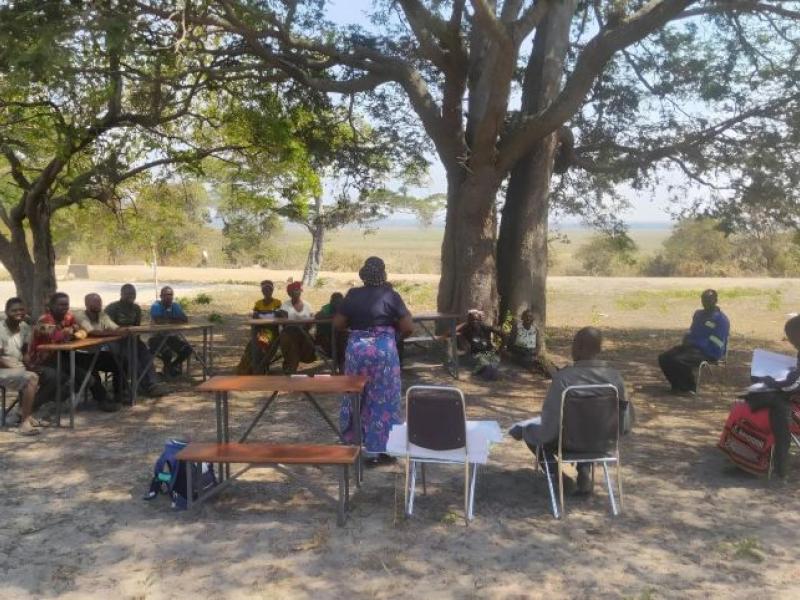
Alongside the market development work, Kamfwa delivered a capacity-building workshop for ZNFCA members on forest-based enterprise development, covering business skills, product quality, and the economic value of sustainably managed forests. More than five producer groups participated, with over 20 members each — reaching more than 50 direct beneficiaries.
"For a long time, communities knew the value of what the forest provides — but that knowledge wasn't translating into income. Connecting producers to reliable buyers has started to change that relationship," said Kamfwa.
Participants reported increased household income and a stronger sense of forests as an economic asset, not only an environmental one.
Building on a broader conversation
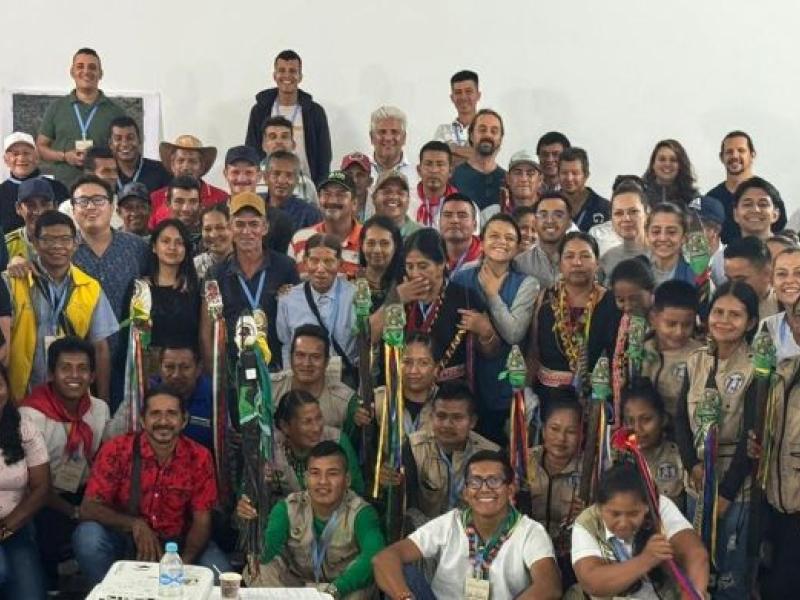
This work did not happen in isolation. In March 2026, Kamfwa participated online in the REDD+ Academy Lab: Forest Investment Marketplace, a UN-REDD event convened in Hanoi that brought together practitioners, investors, government officials, and community representatives to explore how forest-based enterprises can become economically viable when connected to reliable markets. A central theme was that SMEs sit at the interface between forests and markets — processing products, organising supply chains, generating income — yet remain weakly embedded in both investment pipelines and REDD+ frameworks. Kamfwa returned from the event with sharper tools for addressing exactly that gap in Zambia.
Challenges ahead
The momentum is real, but constraints remain. Increased demand for honey has outpaced what communities can currently produce: many groups lack sufficient beehives to meet existing buyer interest. Protective equipment — bee suits, gloves, smokers, harvesting tools — is scarce, limiting safe participation, particularly for women and youth. Scaling up will require targeted investment in equipment and training.
As the Hanoi discussions underlined, the bottleneck is no longer just finance — it is the market formation needed to translate available capital into on-the-ground opportunity. ZNFCA's experience in Zambia reflects both sides of that challenge: what becomes possible when producers are connected to buyers, and how much further support is needed to sustain it.
A model worth watching