Lusaka, Zambia – Forest carbon initiatives are expanding rapidly in Zambia, bringing new opportunities to finance forest conservation, support rural livelihoods, and contribute to the country’s climate goals. But as interest in carbon markets grows, so too does the need to understand what these initiatives mean for the communities living in and managing Zambia’s forests.
Forests cover around 60 percent of Zambia and play a critical role in rural livelihoods, water regulation, biodiversity, climate mitigation, and economic development. Despite their importance, many forest landscapes continue to face degradation, while limited public resources constrain efforts to promote sustainable forest conservation and management.
In this context, forest carbon projects and climate finance mechanisms are emerging as potential tools to channel investment into forests and communities. Zambia is exploring opportunities across voluntary and compliance carbon markets, including ART-TREES, Green Climate Fund Results-Based Payments, and Article 6 mechanisms under the Paris Agreement. However, making these opportunities work for people and forests requires strong institutions, clear rules, secure community tenure, robust safeguards, and transparent benefit-sharing arrangements.
To help inform this discussion and decisions, FAO, through the UN-REDD Programme and in collaboration with the Forestry Department under the Ministry of Green Economy and Environment, has undertaken a study on forest carbon projects and their impacts on Zambian communities and community forestry.
The study was developed to address a critical evidence gap: while forest carbon projects have become a major driver of the expansion and formalization of Community Forest Management Groups in Zambia, there has been limited evidence on how these projects affect communities in practice, and whether they strengthen community forestry over the long term.
The analysis looks at impacts across five areas of community wellbeing: social, human, natural, physical, and financial capital. It also examines how forest carbon projects contribute to community forestry processes, and how Zambia’s forest, carbon, and climate policy frameworks can be better aligned to support communities, institutions, and climate ambition.
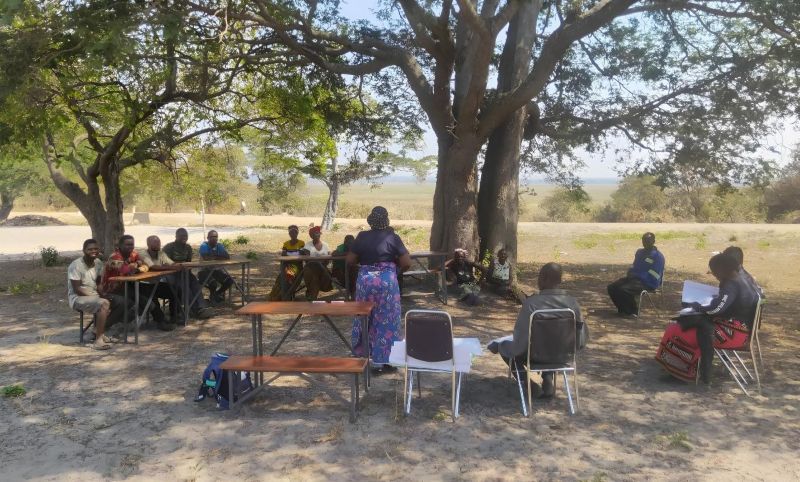
The study has now been validated during a multi-stakeholder event in Lusaka, bringing together community representatives, government institutions, civil society, private sector actors, technical experts, youth, and development partners.
In her opening remarks at the event, FAO Representative in Zambia, Suze Percy-Filippini, said: “Through this study, FAO is helping put evidence on the table — evidence from communities, institutions and forest carbon initiatives — so that Zambia can make informed decisions on how climate finance can support forests, livelihoods and long-term community forestry.”
The validation workshop provided an opportunity for communities and stakeholders to review the findings, discuss the recommendations, and help shape two practical outputs: a Policy Note and a Community Decision-Making Checklist on forest carbon projects. The study, its findings, and the linked materials will be released later this year.
The event also connected the study findings to a broader dialogue on forest-related climate finance opportunities in Zambia, including carbon markets, Article 6, national MRV systems, jurisdictional programmes, and the role of community forestry in achieving Zambia’s climate and development goals.
An important part of the programme is its intergenerational approach. Through the collaboration with the AIM4Forests Young Forest Champions Initiative, young people took part in technical sessions, dialogue, and field-based learning, strengthening their role in shaping Zambia’s forest and climate future.
By bringing evidence, community perspectives, policy dialogue, and youth engagement together, the event aims to support a clearer national vision for how forest carbon finance can strengthen community rights, improve forest governance, and deliver long-term benefits for people, forests, and the climate.