As the world prepares for COP30 in Belem, Brazil, the UN-REDD Programme has launched two landmark reports that lay out a clear call to action: it’s time to triple global investments in forests and recognize their vast co-benefits for people, economies, and the planet.
The twin publications - State of Finance for Forests (SFF) 2025: Unlock. Unleash and High-Risk Forests, High-Value Returns: A Co-Benefits Assessment for Decision-Makers - were unveiled at a high-level online event on 14 October at 14:00 CET. The lauch brought together government leaders, financial experts, and scientists to discuss how to close the forest funding gap and direct finance where it is most urgently needed.
Speakers included Juliette Biao, Director of the UN Forum on Forests Secretariat; Mario Boccucci, Head of the UN-REDD Secretariat; Lian Pin Koh, Vice President at the National University of Singapore; and Andre Aquino, Special Advisor on Economy and Environment at Brazil’s Ministry of Environment and Climate Change.
The State of Finance for Forests 2025 report provides the most up-to-date assessment of public and private financial flows to forests in 2023 - and the picture is sobering. It shows that annual investments must rise from US$ 84 billion currently to US$ 300 billion by 2030, and to nearly US$ 500 billion by 2050, if the world is to meet global climate and biodiversity goals.
That translates into a US$ 216 billion annual forest finance gap between now and 2030.
Governments remain the dominant source of forest funding, contributing 91 per cent of total finance in 2023 - mainly through domestic spending - while international public funding represented just 4 per cent. Forest finance is also unevenly distributed, flowing mostly to higher-income countries rather than the tropical regions that need it most.
Despite limited resources, many tropical nations invest more in their forests than they receive through official development assistance. Yet, Indigenous Peoples and local communities, who are among the most effective forest stewards, received only US$ 362 million in international public finance. Women, too, continue to face structural barriers to accessing finance, land, and participation in forest governance.
The report highlights an urgent need to mobilize private finance. In 2023, private forest investment totaled just US$ 7.5 billion, with impact investing at US$ 1.7 billion and carbon markets contributing US$ 1.3 billion.
By contrast, private institutions provided a staggering US$ 8.9 trillion in financing to companies with high deforestation risks. Environmentally harmful agricultural subsidies reached US$ 406 billion the same year - underscoring how misaligned incentives continue to outweigh positive forest investment.
Still, the report emphasizes that forests remain a high-value investment opportunity. Protecting and restoring them is one of the most cost-effective nature-based solutions available, offering climate, biodiversity, and economic returns at scale. To meet global goals, nature-based solutions must expand by one billion hectares by 2030 and 1.8 billion hectares by 2050.
High-risk forests: high-value returns
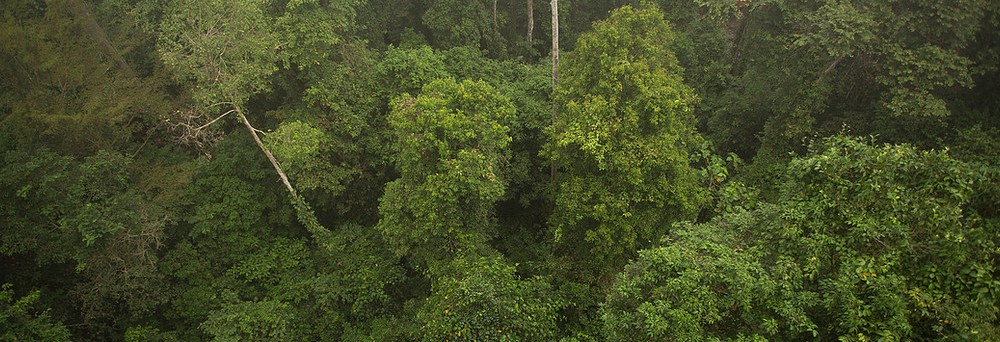
The second report, High-Risk Forests, High-Value Returns, turns attention to the world’s 391 million hectares of tropical forests most at risk from deforestation - an area roughly the size of the European Union. Protecting these forests, the study finds, is not only critical for the climate but also for safeguarding livelihoods, water, food security, and national economies.
High-risk forests provide enormous co-benefits:
-
They retain 2.3 million tonnes of nitrogen annually, preventing harmful water pollution.
-
They stop 527 million tonnes of soil and sediment from clogging rivers, reservoirs, and hydropower systems.
-
They help stabilize rainfall and river flows, securing reliable water supplies.
-
They produce 111 million tonnes of fuelwood and a wide range of non-timber products, sustaining 25 million materially poor people across tropical regions.
-
They support climate adaptation by reducing disaster risks, preventing an estimated US$ 81 billion in annual GDP losses by protecting infrastructure, farmland, and communities.
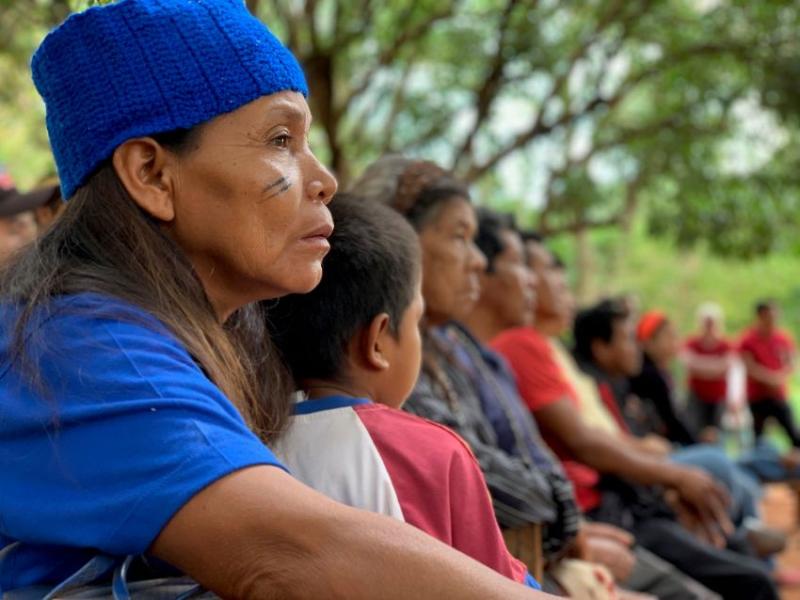
One in four people living near tropical forests - 53 million people - depend directly on forests facing the highest deforestation risk. Within these communities, Indigenous Peoples and women are particularly reliant on forest resources for energy, food, and income, making their empowerment central to any effective solution.
The report calls on policymakers and investors to use co-benefit data to prioritize high-return, high-risk areas and to embed forests into national climate strategies and development plans. Directing finance to these areas, it argues, delivers the highest social and economic dividends while helping countries meet their climate and biodiversity commitments.
It also underscores the need to reward and empower communities who live closest to forests - especially Indigenous Peoples and women - as stewards of these vital ecosystems. Strengthening their roles ensures that forest protection is not only effective but equitable and enduring.
With COP30 around the corner, both reports send a powerful message: the tools, knowledge, and urgency are already in place. What’s needed now is decisive investment and collective action to unlock the true potential of forests for climate, nature, and sustainable development.
Download the reports and learn more: