Across West Africa, communities are reshaping the future of forests. From women-led restoration efforts in Cabo Verde to youth patrolling community forests in Sierra Leone, community-based forestry (CBF) is demonstrating what becomes possible when local people have their tenure rights recognized, are empowered to manage and restore the landscapes they depend on.
FAO’s new publication, Community-based forestry for forests, people and climate in West Africa: Status and the ways forward, captures this regional momentum. It shows that CBF is far more than a development approach – it is a pathway for climate action, economic opportunity, and stronger, more inclusive governance. At a time when forests are under increasing pressure, CBF is emerging as one of the most powerful tools countries have to protect ecosystems while supporting livelihoods.
Why communities matter for forests
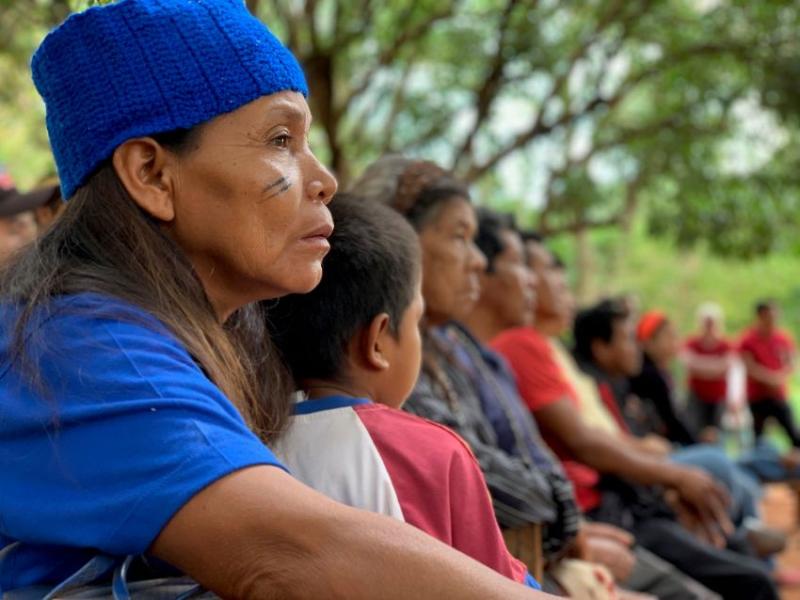
For decades, West African countries managed forests mainly through centralized systems. But local people – farmers, women’s groups, traditional leaders, youth – have always been the first to experience the benefits of healthy forests and the consequences of their decline.
Across the region, CBF has shown that when communities have secure rights, technical support, and a meaningful role in decisions, the results are immediate:
- forests regenerate and illegal activities decline;
- biodiversity rebounds in sacred groves and restoration areas;
- local enterprises grow around forest products, services, and ecotourism;
- women gain stronger decision-making roles and economic independence;
- trust between communities and forest authorities improves.
These outcomes are not isolated success stories – they represent a regional trend. Countries from Senegal to Liberia report stronger forest protection, improved governance structures, and more resilient livelihoods where CBF has taken root.
A region in transition: progress, challenges, and lessons learned
West Africa has made major advances in recognizing community roles in forest and land management. New forest codes, land reforms, and decentralization policies have opened the door for communities to engage more directly in governance. Yet many challenges remain.
Tenure and rights: the foundation is still under construction. Communities often receive limited rights – sometimes access or protection responsibilities, but not the authority to manage forests or benefit from commercial use. Without secure, long-term tenure, it is difficult for communities to invest in sustainable management or develop forest enterprises.
Complex processes slow communities down. In many countries, registering a community forest can take years. Requirements for forest inventories, management plans, or administrative fees are often too demanding for rural groups without external support.
Economic benefits remain uneven. Although some communities benefit from revenue-sharing schemes, value chains for forest products remain weak, markets are hard to access, and women – despite their central role – still face structural barriers to participation.
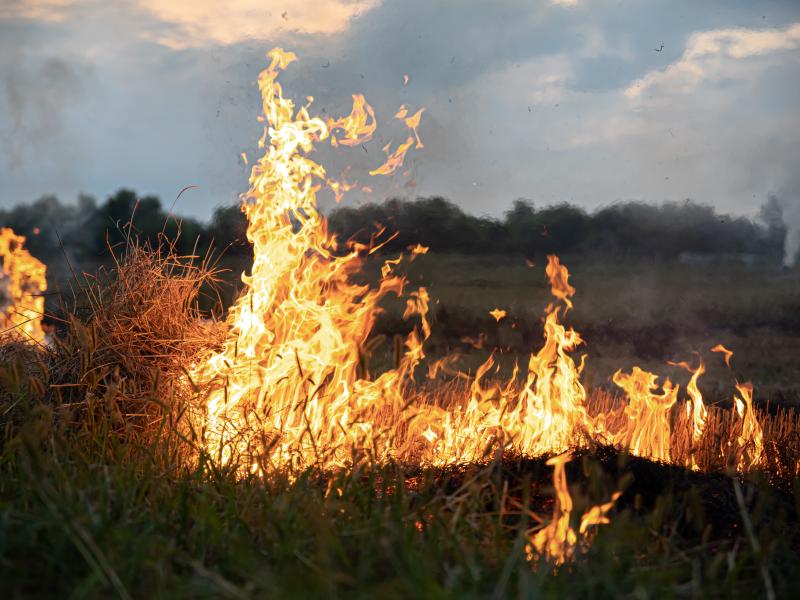
Climate change adds pressure. Droughts, fires, and land degradation are intensifying. Communities already working with limited resources must now also contend with shifting rainfall, rising temperatures, and the loss of ecosystem services.
Yet the publication makes one thing clear: successful solutions already exist across the region. From Niger’s assisted natural regeneration on five million hectares to The Gambia’s revenue-sharing model for community forests, West Africa is rich in examples that can be scaled.
What needs to happen next
The pathway forward is not about reinventing CBF – it is about strengthening it, scaling it, and ensuring that communities have the tools, rights, and resources to lead.
Countries and partners can accelerate progress by:
- securing tenure and management rights for communities and smallholders;
- simplifying administrative procedures and reducing barriers to registration;
- investing in local governance capacities, including women’s leadership and youth participation;
- strengthening forest businesses and improving market access for forest products;
- improving data consistency and monitoring, essential for monitoring CBF progress at the regional and global level;
- expanding South–South exchanges to share good practices and lessons learned.
These are not abstract recommendations – they come directly from practitioners, government officials, civil society groups, and community members who participated in FAO-led regional and global workshops in Senegal (2023) and Cabo Verde (2025).
A new publication to guide the next chapter
FAO’s Community-based forestry for forests, people and climate in West Africa: Status and the ways forward provides the most detailed regional analysis to date. It maps out where countries stand, what is working, where bottlenecks persist, and how CBF can become a driving force for climate and development goals.
The publication offers:
- a comprehensive overview of CBF policies and enabling conditions across all West African countries;
- new estimates of the extent of CBF in the region – potentially reaching 30 percent of forests when all tenure options are included, and showing a significant increase in the last 5 years;
- documented evidence of impact on biodiversity, livelihoods, governance, and gender equity;
- practical recommendations for governments, CSOs, donors, and regional bodies.
It is both a snapshot of where West Africa stands today and a roadmap for where it can go.
A region ready to scale community leadership
As countries work toward climate commitments, biodiversity targets, and sustainable development goals, community-based forestry is not a peripheral approach – it is a central strategy. West Africa has already demonstrated that when communities lead, forests recover, economies strengthen, and climate resilience grows.
This publication shines a light on what is possible. The next step is collective action to scale these solutions – across borders, across sectors, and across generations.