What is El Niño?
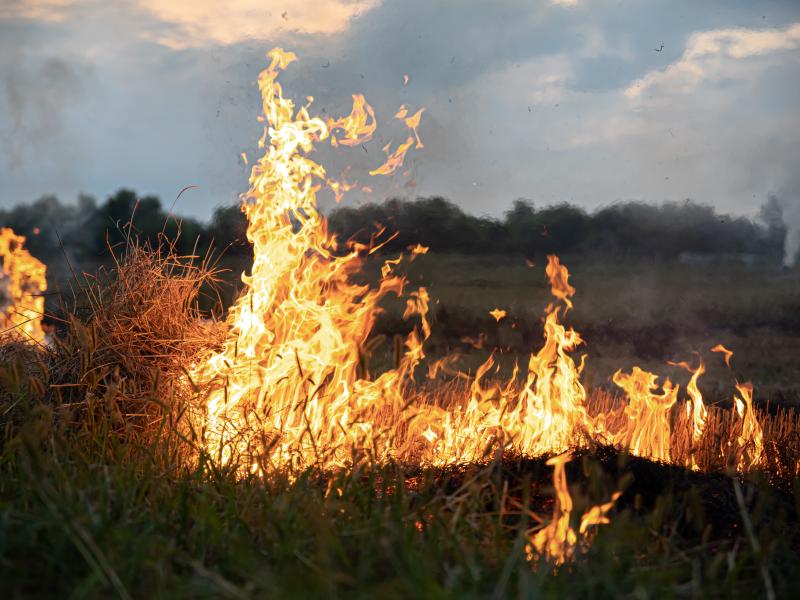
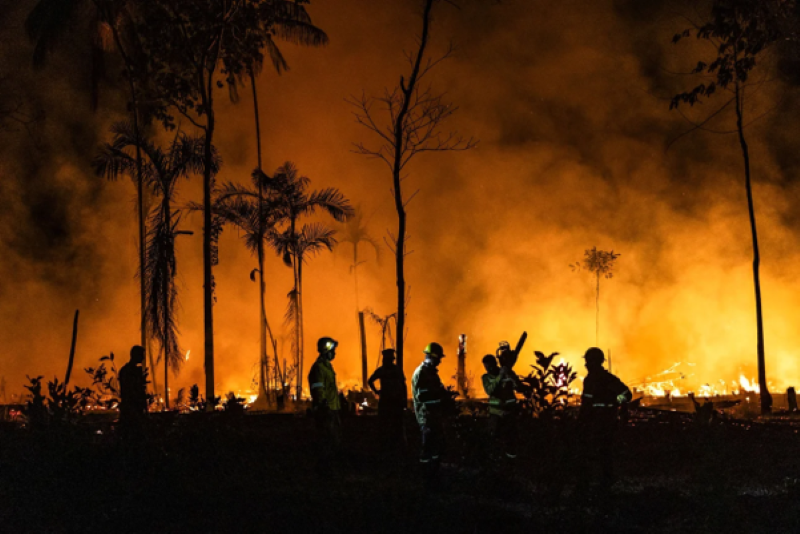
El Niño is a natural climate pattern that occurs every two to seven years, when unusually warm ocean temperatures in the Pacific disrupt weather systems worldwide. It typically brings prolonged drought to the Amazon, Southeast Asia, and Southern Africa — drying out landscapes and dramatically increasing wildfire risk. (WMO, 2026)
Wildfires don't start without warning. The question is whether we act on the signals we already have.
The World Meteorological Organization (WMO) has confirmed that El Niño conditions are developing, with an estimated 80% probability of being firmly established through June–August 2026, rising to near or above 90% in the seasons that follow. WMO has also noted that El Niño typically raises global temperatures and drives more extreme weather patterns — making this a critical moment for planning and preparedness. (WMO, 2026)
For forest and land decision makers, the message is clear: now is the time to act.
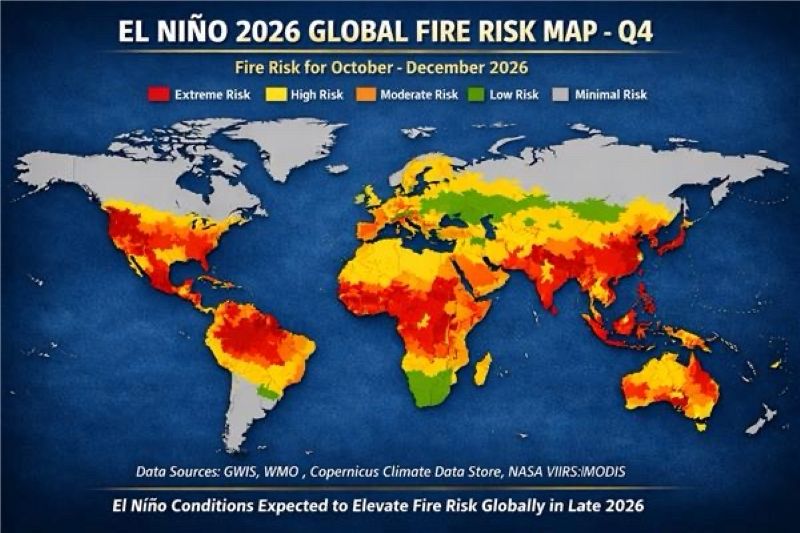
Figure 1. Global impacts of El Niño - Source: Fallon Solutions, How will El Niño impact you? (Fallon Solutions, 2023).
From climate signal to operational decision
For policymakers and practitioners, El Niño is not just a climate signal — it is an actionable early warning. WMO explicitly frames its ENSO updates as tools for informed decision-making, planning, and preparedness. Seasonal forecasts, hotspot data, fuel-moisture monitoring, and risk mapping can all be used to trigger early measures before peak fire danger emerges — rather than waiting until wildfires have already taken hold. (WMO, 2026)
This approach is known as anticipatory action: using advance information to reduce risk before a crisis unfolds.
A framework for preparedness: Integrated Fire Management
At the centre of this shift is Integrated Fire Management (IFM). The Global Fire Management Hub — a joint UNEP/FAO initiative — describes IFM as a coordinated, cross-sectoral approach that brings together fire-risk reduction, readiness, response, and recovery, supported by knowledge sharing, policy development, and community engagement. Crucially, IFM should be embedded in national and subnational systems, not treated as a stand-alone emergency response. (FAO, n.d.)

Figure 2. Integrated Fire Management (IFM) system. Source: Working on Fire Programme, South Africa (Department of Forestry, Fisheries and the Environment, n.d.).
What anticipatory action looks like in practice
Two cases — Riau, Indonesia and Acre, Brazil — show what this means on the ground.
In Riau, wildfire prevention is anchored in Indonesia's peatland governance framework, particularly Government Regulation No. 57 of 2016, which strengthens peat hydrological management and peatland protection. (Indonesia, 2016) In a province where drought and peat drying can drive severe fire seasons, operational measures focus on keeping peat wet, identifying fire risk early, and mobilising institutions before conditions worsen. Concrete actions include maintaining groundwater levels above 40 cm, using canal blocking and hydrological restoration, deploying fire risk systems with one-to-three-month lead times, and strengthening community-based prevention through fire-free village initiatives and local brigades.
In Acre, Brazil, the policy basis is more recent but explicit. Law No. 14.944 of 2024 created Brazil's National Policy on Integrated Fire Management, establishing objectives around reducing fire incidence, improving inter-institutional coordination, and recognising the ecological role of fire while curbing unauthorised burning. (Brazil, 2024) In practice, the Acre case highlights seasonal fire bans, strategic firebreaks, risk zoning, and the pre-season mobilisation of trained brigades as core preparedness measures. It also underlines the climate stakes: wildfire emissions can threaten carbon gains and increase reversal risks — reinforcing why preparedness must be integrated into territorial and climate governance before drought peaks.
Why this matters beyond the fire line
The implications extend well beyond forest management. Wildfires can release large amounts of carbon, trigger reversal events in forest-carbon systems, reduce the supply of credits, threaten biodiversity, and increase buffer requirements. Anticipatory action reduces those risks: it protects carbon stocks, limits emissions losses, and strengthens confidence among market actors and investors.
For policymakers, the most effective wildfire investments are often made before a fire starts — through risk mapping, firebreak maintenance, community brigades, water management in peatlands, and legal clarity on when fire restrictions should be triggered. For practitioners, seasonal climate intelligence should function as an operational decision tool, not merely background information. (WMO, 2026; FAO, n.d.)
The window is open — for now
El Niño can be forecast months in advance. That creates a narrow but valuable window for action. The science is available, the forecasts are improving, and the frameworks exist — including the Global Fire Management Hub, which supports countries in shifting from reaction and suppression to prevention and preparedness. (FAO, n.d.)
El Niño is a test of preparedness systems. The deciding factor will be whether institutions can convert early warning into early, coordinated action — before drought becomes disaster and fire becomes crisis.
References
- Brazil. (2024, July 31). Law No. 14.944 creating the National Policy on Integrated Fire Management. UNEP Law and Environment Assistance Platform. https://leap.unep.org/en/countries/br/national-legislation/law-no-14944-creating-national-policy-integrated-fire-management
- Department of Forestry, Fisheries and the Environment. (n.d.). Working on Fire. Government of South Africa. https://www.dffe.gov.za/working-fire-0
- Fallon Solutions. (2023, October 27). How will El Niño impact you? https://fallonsolutions.com.au/handy-hints/how-will-el-nino-impact-you/
- Food and Agriculture Organization of the United Nations. (n.d.). Global Fire Management Hub. https://www.fao.org/partnerships/fire-hub/en
- Food and Agriculture Organization of the United Nations. (n.d.). About the Global Fire Management Hub. https://www.fao.org/partnerships/fire-hub/about/en
- Indonesia. (2016, December 2). Government Regulation of the Republic of Indonesia No. 57 of 2016 amending Government Regulation No. 71 of 2014 on protection and management of peat ecosystems. UNEP Law and Environment Assistance Platform. https://leap.unep.org/en/countries/id/national-legislation/government-regulation-ri-no-57-2016-amending-government
- World Meteorological Organization. (2026, June 2). El Niño/La Niña update (May 2026). https://wmo.int/resources/publication-series/el-ninola-nina-updates/el-ninola-nina-update-may-2026
- World Meteorological Organization. (2026, June 2). WMO: Prepare for El Niño. https://wmo.int/news/media-centre/wmo-prepare-el-nino
- World Meteorological Organization. (2026, June 2). El Niño / La Niña phenomena. https://wmo.int/topics/el-nino-la-nina-phenomena