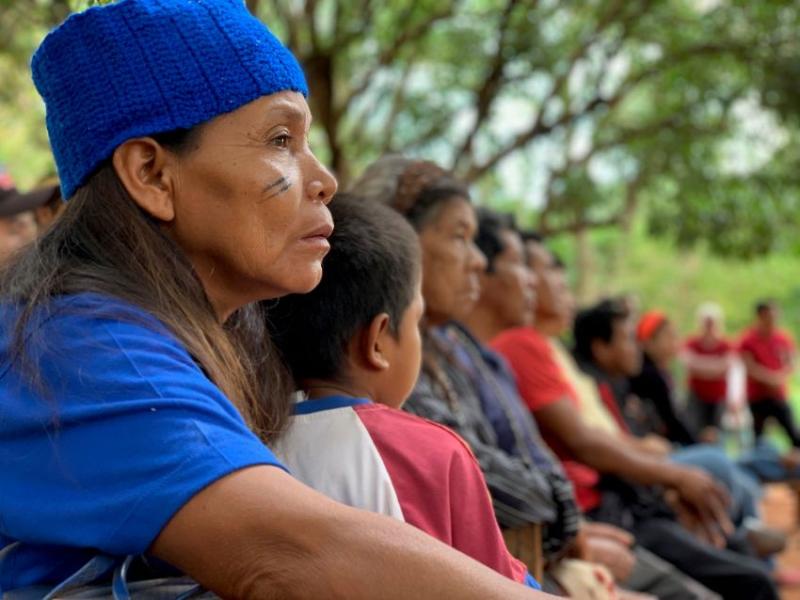
In the Republic of Congo, a groundbreaking initiative is helping Bantou and Indigenous Peoples strengthen their livelihoods through secure land tenure and sustainable agroforestry. This effort, part of a Green Climate Fund project running from 2021 to 2029 – with complementary support from UN-REDD - recently marked a major milestone in Ngo District’s Onianva village, where tenure rights were recorded for smallholder farmers.
Empowering Communities Through Land Allocation
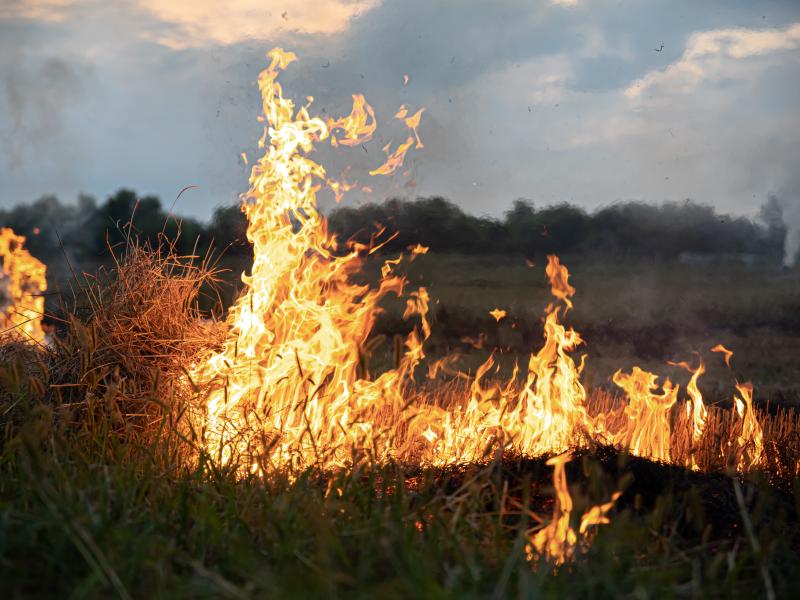
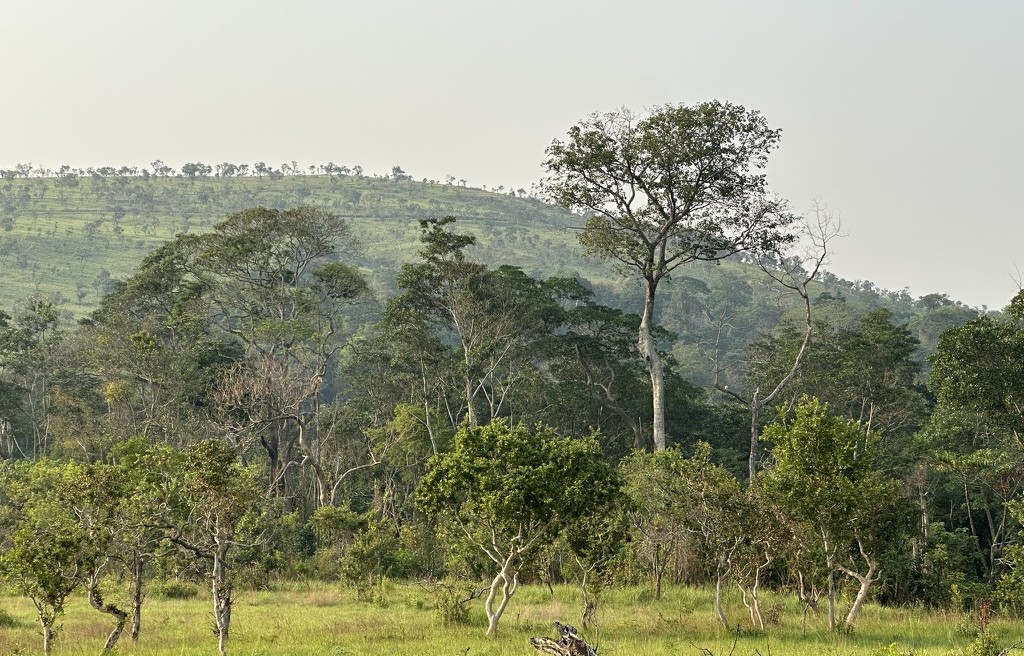
The State, through its National Programme on Afforestation and Reforestation - PRONAR (Programme Nationale d’Afforestation et de Reboisement), has allocated user rights for agroforestry lands to local villagers. Each beneficiary receives a one-hectare plot, complete with firebreaks in strategic areas to reduce fire risks. These savanna lands have been dedicated to tree planting to ease pressure on natural forests - but they also serve as productive agricultural spaces. Farmers have intercropped cassava, corn, and okra alongside acacia trees, which naturally enrich the soil and improve crop yields.
To support these efforts, villagers have received training and agricultural inputs, including high-quality cassava cuttings. This combination of agroforestry and food crops is designed to enhance resilience and food security while contributing to climate mitigation.
Building Resilience and Market Access
Looking ahead, the project plans to diversify crop production further. Farmers have expressed interest in adding peanuts to their fields, which would strengthen household nutrition and income streams. Market linkages will also be developed to ensure that farmers can sell their products at fair prices, creating a sustainable economic foundation for these communities.
During interviews, women farmers shared their aspirations for using future earnings to pay school fees, cover medical expenses, and purchase clothing. Men highlighted priorities such as gasoline, rent, and water—scarce resources in the area. As one villager put it: “The project is moving forward; we are already starting to see the benefits.”
Innovative Tools for Tenure Security
A key component of this initiative is the use of FAO’s Open Tenure tablet-based tool, which was initially deployed from 1-4 October 2025. Field facilitators recorded tenure rights for an initial sample of 40 claimants. The tool captured essential details, including the claimant’s name, date of birth, photo, and geolocated field boundaries. It then generated a comprehensive tenure rights report featuring a map and all relevant information.
These reports will be signed by local authorities and PRONAR, providing formal recognition of user rights and boosting tenure security. A copy will remain with each beneficiary smallholder as important documentation of their rights, while the project will be able to compile an overview of all the parcels throughout this ambitious project with aims to eventually cover 14 500 ha. Importantly, the project has prioritized women and Indigenous Peoples in land allocation, addressing long-standing gender inequalities in access to land. In Congo, traditional norms often limit women’s ability to secure tenure despite their significant contributions to agriculture. The Open Tenure system accommodates joint ownership, allowing men and women to share rights equally.
Next Steps
The next phase involves returning these tenure claim reports to community members for review and validation before final signatures with government authorities. This participatory approach ensures transparency and community ownership of the process.
With this first phase being a success, PREFOREST will expand the use of the Open Tenure tool to other districts in order to help to document and secure agroforestry user rights for all beneficiaries of the project.
Although the fields are located some distance from village settlements, farmers regularly travel to tend their crops, weed plots, and monitor growth. Early harvests are beginning to show promise, signaling a brighter future for these communities.
By combining secure land tenure, climate-smart agroforestry, and inclusive practices, this initiative is paving the way for sustainable rural development in the Republic of Congo—one hectare at a time.