Credit: FAO/ Lucio Santos
On October 28, the Green Climate Fund (GCF) approved an $85.3 million US project to reward Mexico’s success in reducing emissions from deforestation and forest degradation through REDD+. National policies, domestic public investment, international financing, and sustained technical support helped Mexico achieve 12,915,671 tonnes of carbon dioxide equivalent (tCO2e) in REDD+ emission reductions from 2018 to 2019. These historical results form the basis for the GCF results-based payment project.
The achievement of REDD+ results in Mexico reflects the combined efforts of public institutions, local communities, development partners, and international cooperation over more than a decade. Beginning in 2010, Mexico developed a comprehensive national REDD+ framework, culminating in the adoption of the National REDD+ Strategy (ENAREDD+), which was broadly consulted with stakeholders across the country. ENAREDD+ positioned REDD+ as a key vehicle for sustainable rural development and climate action and was later incorporated into Mexico’s Nationally Determined Contribution (NDC).
Between 2010 and 2019, at least 22 REDD+-related initiatives mobilized more than USD 628.6 million to strengthen forest policies, institutions and on-the-ground action in Mexico. Domestic public funding, primarily through the incentive programs of the National Forestry Commission (CONAFOR), supported sustainable forest management, restoration, agroforestry and conservation, while international finance and technical assistance strengthened national systems and expanded investment.
A key contribution came from the UN-REDD Programme, which supported Mexico’s REDD+ readiness process, particularly in the areas of safeguards and MRV. UN-REDD supported the country in defining how REDD+ safeguards would be operationalized within Mexico’s legal, institutional, and compliance frameworks through a participatory process involving key stakeholders. This work contributed to the development of Mexico’s National Safeguards System (SNS) and the design of its Safeguards Information System (SIS). UN-REDD also supported the design and institutionalization of the National Forest Monitoring System (NFMS), which today provides the technical foundation for REDD+ accounting and reporting. Mexico has continued to benefit from technical support provided through the global UN-REDD Programme.
REDD+ readiness initiatives in Mexico, such as UN-REDD, did not operate in isolation. Instead, they strengthened existing government programs, improved cross-sectoral coordination, and built the institutional and technical foundations necessary for effective REDD+ implementation. This integrated approach, anchored in territorial interventions and supported by strong governance frameworks, was instrumental in generating the emission reductions reported by Mexico for the 2018–2019 period.
The GCF funds will now be reinvested through a six-year project focused on forest conservation and sustainable livestock management. By reinvesting payments for past emission reductions, the project will help sustain Mexico’s REDD+ achievements while generating additional climate, environmental, and socioeconomic benefits for rural communities. The project will be implemented by the National Forestry Commission (CONAFOR), as Mexico’s REDD+ focal point, in coordination with the Food and Agriculture Organization of the United Nations (FAO), and it is expected to reach 33,720 direct and indirect beneficiaries, 30 percent of whom are women.
Reinvesting in forests and the people who sustain them
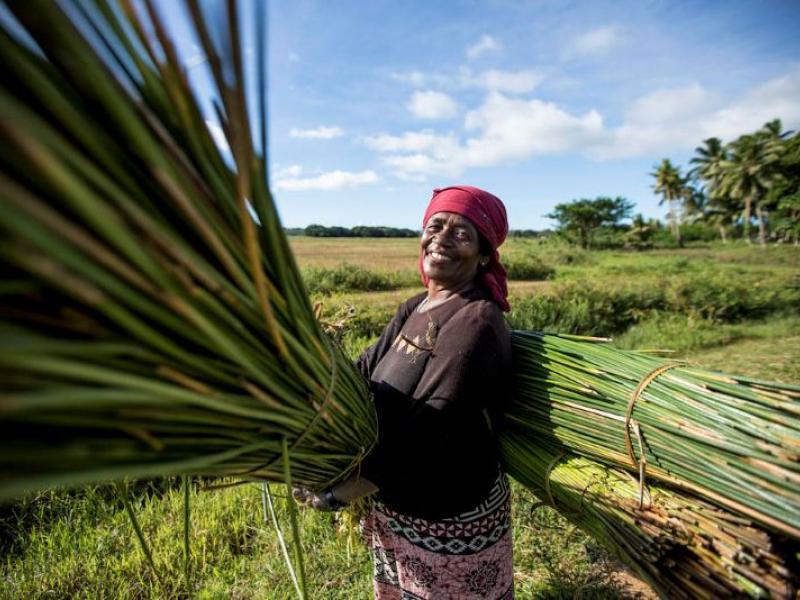
In Mexico, 11.8 million people depend on forests for their livelihoods. Forests provide raw materials and ecosystem services that sustain rural economies, but their conversion to other land uses threatens these resources and the communities that rely on them.
The new project will implement an integrated model that combines productive restoration through silvopastoral systems with incentives for forest conservation through Payments for Environmental Services (PES), while also strengthening territorial governance, sustainable value chains, and local capacities.
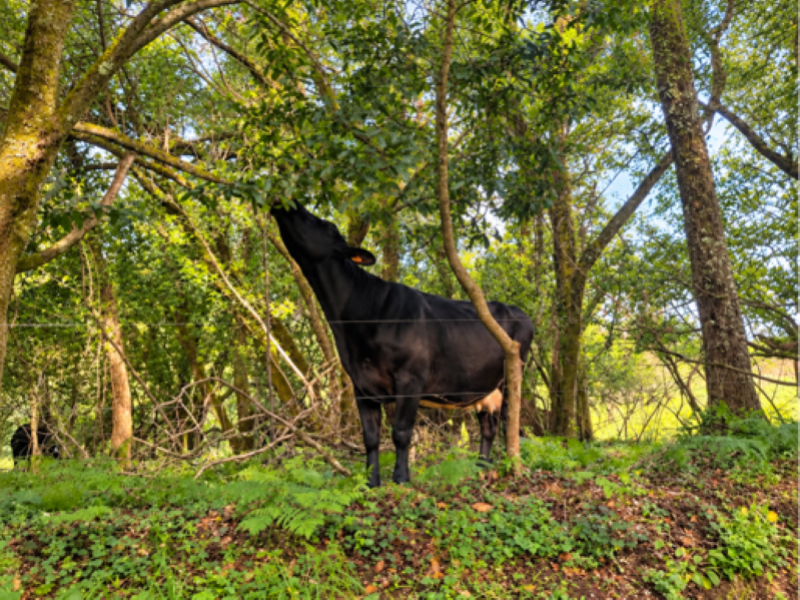
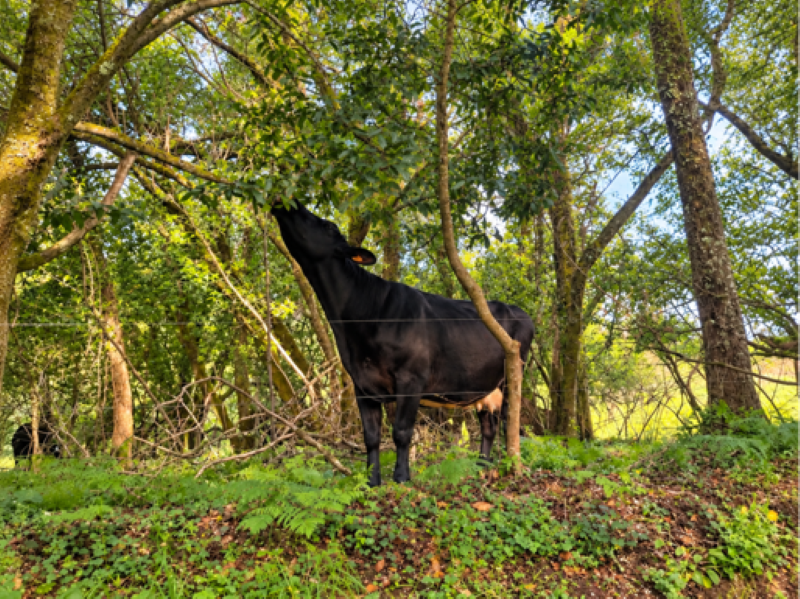
A key solution to reduce deforestation in México is reducing pressure from the expansion of cattle ranching. Results and impact on this front require investment both in forests and in more sustainable production on land already used for livestock. This transformational project will support 1,600 production units to restore degraded pasturelands and adopt practices such as regenerative grazing, improved forage production, soil and water conservation, and silvopastoral systems that integrate trees with livestock and pasture. These measures aim to improve productivity and climate resilience while reducing pressure to convert forests into grazing land.
Complementary to the intervention in livestock areas, the new financing will also support forest conservation and sustainable forest management across 205,000 hectares through PES. These investments will strengthen incentives to maintain forests and the benefits they provide, making forest stewardship an integral part of sustainable rural development.
The project will also finance 120 women-led productive initiatives and improve access to sustainable finance, helping expand women’s economic opportunities. Support for local planning and coordination will help communities and institutions connect conservation priorities with livelihood needs.
In addition, through 1,200 farmer field schools, 12,000 participants will receive practical training and technical assistance. Investments in seven regional value chains will strengthen deforestation-free production, traceability and market access, helping producers translate more sustainable practices into lasting economic opportunities.
Together, these activities will link forest protection with more resilient rural livelihoods, addressing the economic pressures that can contribute to deforestation.
Activities will focus on seven priority states: Chiapas, Guerrero, Jalisco, Michoacán, Oaxaca, Quintana Roo and Yucatán. Implementation will engage Indigenous Peoples, Afro-Mexican and local communities through inclusive and culturally appropriate approaches.
The reinvestment is expected to generate an estimated 262,801 tCO₂e in additional emission reductions by 2032 beyond the historical REDD+ results already recognized for payment.
Credit: FAO/Gisela Hernandez
A participatory design process
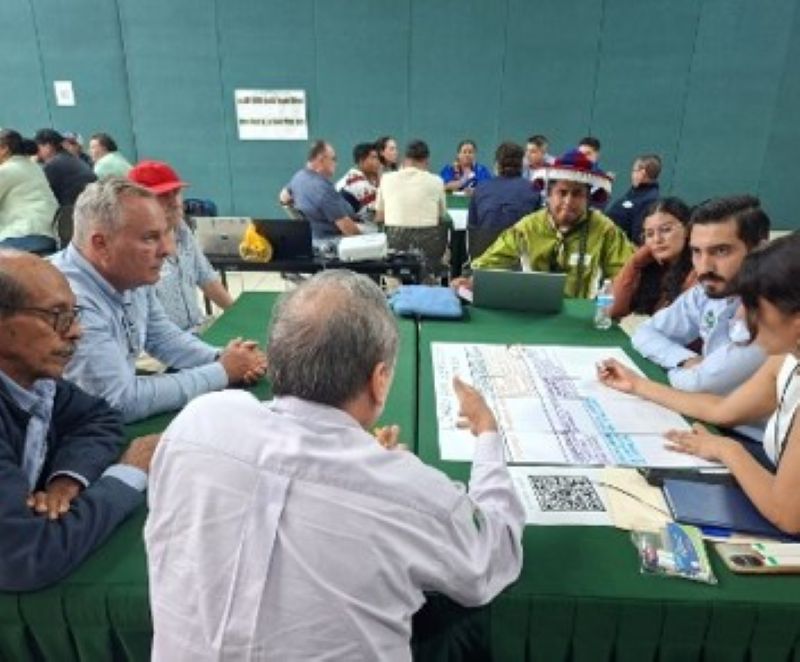
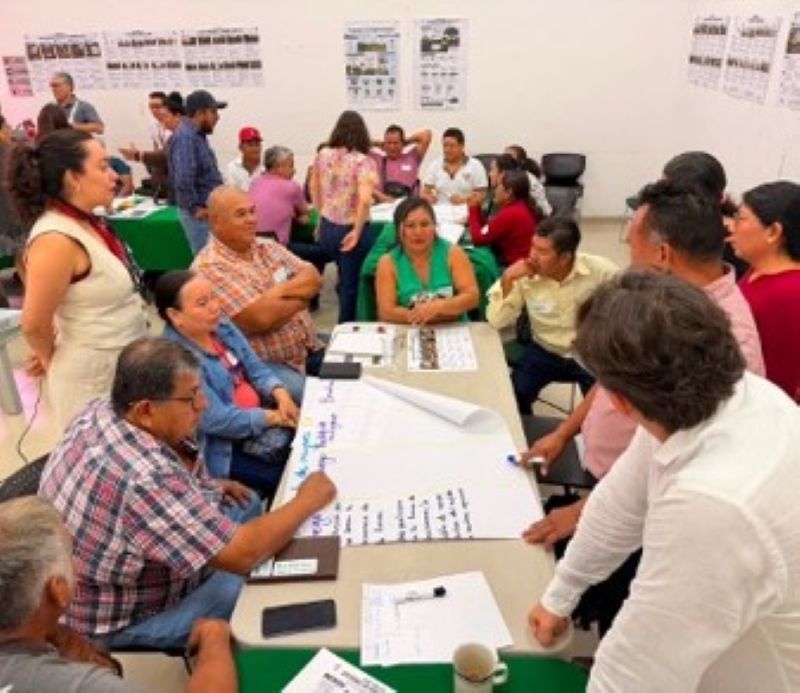
The development of Mexico’s REDD+ RBP project under the GCF involved extensive consultations at both institutional and local levels. UN-REDD supported a collaborative design process led by CONAFOR in coordination with key government institutions, including the Secretariat of Agriculture and Rural Development (SADER), the Secretariat of Environment and Natural Resources (SEMARNAT), and the Ministry of Finance. The institutional consultation process also engaged state-level authorities across the seven participating states.
In addition, territorial consultation workshops were conducted with local stakeholders, reaching a total of 342 participants, including 117 women (34.2 percent) and 114 individuals who self-identified as Indigenous Peoples (33.6 percent), representing 17 Indigenous Peoples and Afro-Mexican groups.
Mexico’s RBP project represents an important opportunity for the country to mobilize finance for the implementation of the ENAREDD+ and to translate REDD+ readiness investments into concrete implementation arrangements, including use of proceeds, safeguards, benefit-sharing and monitoring systems.
In this context, continued UN-REDD support will provide targeted technical assistance to consolidate and strengthen national REDD+ systems, helping ensure that Mexico’s REDD+ achievements are sustained and expanded while delivering long-term benefits for forests, climate, and rural communities.
Related links:
- National Forestry Commission (CONAFOR), Mexico. Official Website. Proyecto de Pago por Resultados de REDD+ de México ante el Fondo Verde del Clima
Credit: FAO/José Antonio Hernández
Contact information:
Fabiola Hernandez Alvarez
Climate finance REDD Specialist
Lucio Santos
Forestry Officer