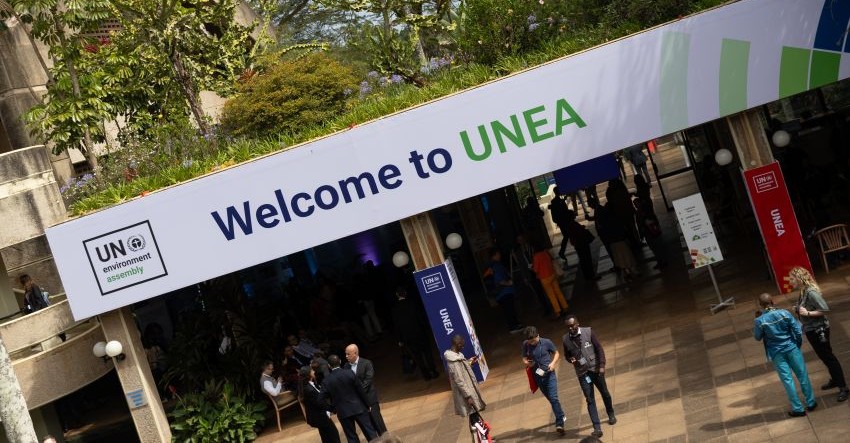
The seventh session of the United Nations Environment Assembly (UNEA-7) concluded in Nairobi with Member States adopting 11 resolutions, three decisions and a Ministerial Declaration addressing climate change, biodiversity loss and pollution. Beyond formal negotiations, UNEA-7 also signaled a growing role for values-based engagement, with faith communities bringing ethical reflection and renewed attention to nature and forests.
A key milestone was the first Interfaith Talanoa Dialogue held in connection with UNEA which brought together around 60 participants from different faith traditions and regions. Using the Talanoa approach, an inclusive dialogue method grounded in listening and shared understanding, participants reflected on UNEA priorities through an ethical lens, with a focus on forests, land and nature.
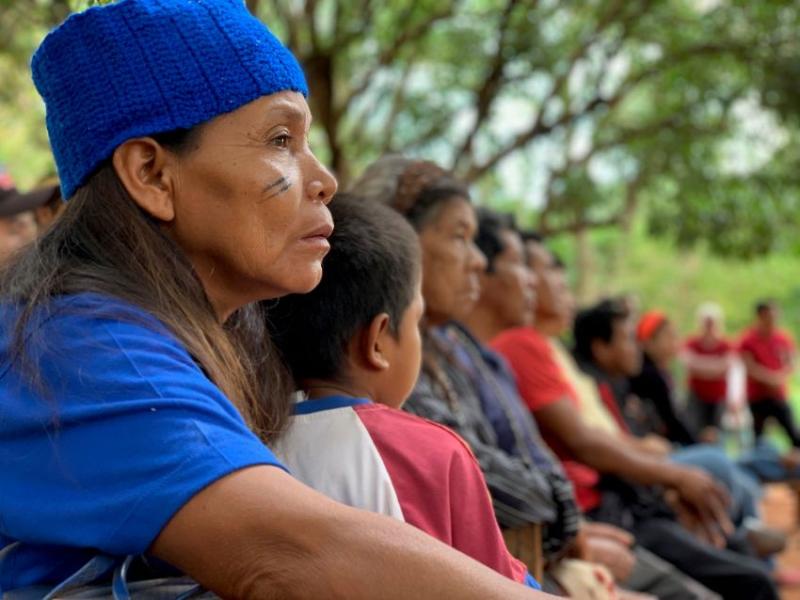
Discussions highlighted the role of rainforests in regulating the climate, conserving biodiversity and sustaining Indigenous Peoples and forest-dependent communities. Participants observed that UNEA negotiations are often shaped by national interests. Faith communities, by contrast, bring a non-national perspective rooted in stewardship, intergenerational responsibility and respect for the sacredness of nature. Their global reach and community presence give them influence well beyond negotiating rooms.
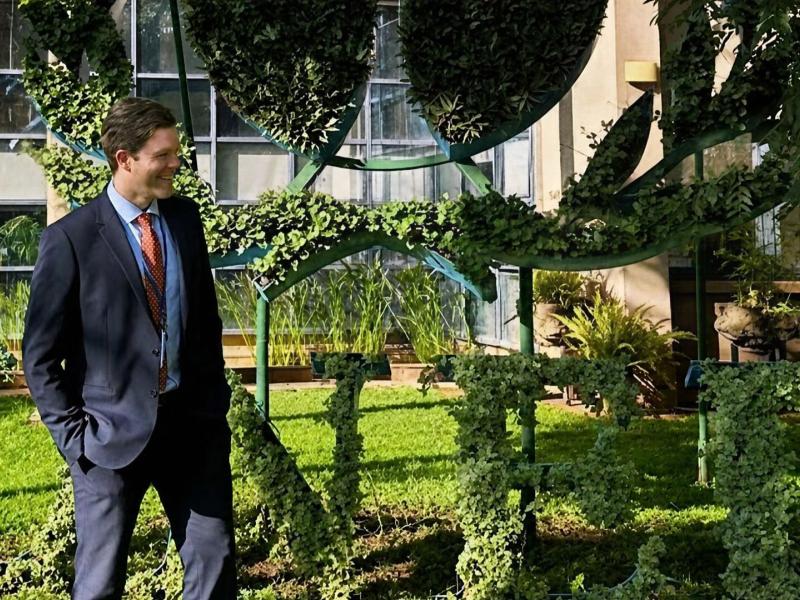
Drawing on experience from Colombia’s Chocó region, Father Henry Ramírez Soler, CMF, a Claretian missionary and representative of the Fondazione Proclade to the United Nations, stressed the human cost of forest loss. “In the Chocó, the forest is life itself,” he said. “When forests are destroyed, communities lose livelihoods, biodiversity and culture. Through faith, we have seen people brought together to defend these forests, because protecting them is an act of justice and care for our common home.”
The dialogue also underscored the relevance of the Interfaith Rainforest Initiative (IRI). The initiative operates at the intersection of faith, policy and Indigenous rights to address tropical deforestation. Supported by the Rainforest Foundation of Norway, UNEP, faith-based organizations and other partners, IRI convenes faith leaders, Indigenous Peoples, governments and civil society across the Amazon Basin, the Congo Basin and Southeast Asia. Through national platforms and global advocacy, it strengthens ethical leadership, supports Indigenous land rights and promotes cooperation to address the drivers of deforestation.
A call to action grounded in ethics
Participants issued a Call to Action urging UNEP and Member States to deepen collaboration with faith communities. One proposal is a Faith Leaders’ Informal Summit, where governments and religious leaders could exchange perspectives and build trust in support of informed decision-making.
The Call to Action also urges UNEP and Member States to advance ethical stocktakes and discussions, including capacity building on ethics across Major Groups. Ethics-based approaches, participants noted, help ensure that commitments affecting land, nature and rainforests are credible and sustained.
As Reverend Rachel Mash, Coordinator of Anglican Communion Environmental Network, reflected in her intervention at UNEA’s Multi-stakeholder Dialogue, “If we want to go to scale in terms of global environmental action, we need to mobilize faith communities and partner with them. Faith communities are the largest civil society organization on the planet. On a weekly basis, they have opportunities for faith based education around behavior change. They think in terms of intergenerational justice, and view nature as a gift from God, with humanity entrusted as caretakers of the Earth”.
Guided by conscience and respect for the Earth, the Interfaith Talanoa Dialogue reinforced the link between ethics and environmental action. Building on UNEA-7 outcomes, related activities of the Interfaith Rainforest Initiative will continue across regions and global fora, keeping rainforests and rights-based, ethical approaches firmly on the international agenda.