Forests are central to tackling climate change, protecting biodiversity, and sustaining livelihoods. Yet across Africa, the challenge is to ensure that communities who safeguard forests are fairly rewarded, and that benefits go beyond conservation to support broader sustainable development.
Ghana has emerged as a trailblazer in this regard. By developing one of the most advanced Benefit Sharing Plans (BSP) under REDD+, the West African country is forging ahead in the region and linking climate finance directly to sustainable development.
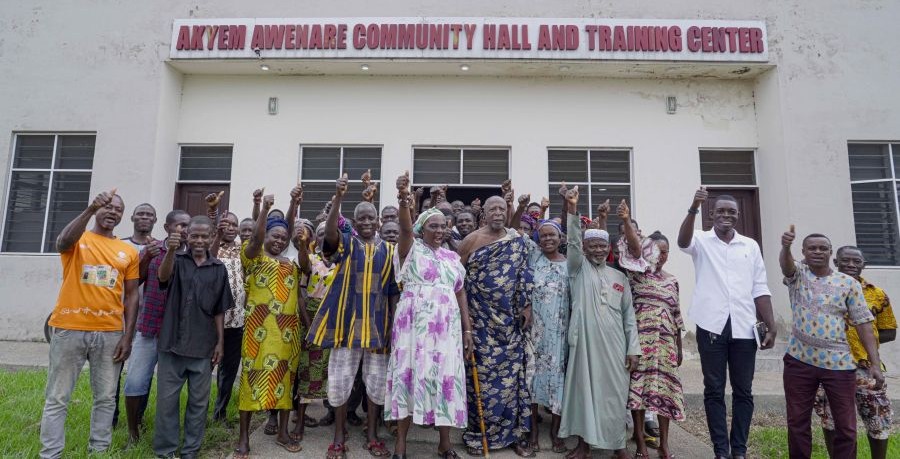
Ghana’s BSP, designed under the Ghana Cocoa Forest REDD+ Programme (GCFRP), was developed through an extensive participatory process. Cocoa farmers, community representatives, traditional authorities, government agencies, private sector actors, civil society and non-governmental organizations all played key roles in shaping the plan.
“This inclusivity has helped build trust and ownership, ensuring that those most directly affected by forest policies have a voice in how benefits are distributed,” said Joseph Appiah-Gyapong, Director of Climate Change Unit at Ghana’s Forestry Commission.
This collaborative foundation laid the groundwork for a historic milestone. In 2019, Ghana became the first African country to sign an Emission Reductions Payment Agreement (ERPA) with the World Bank’s Carbon Fund. The agreement, worth up to US$ 50 million, rewarded Ghana for verified emission reductions in its cocoa-forest mosaic landscape, while promoting sustainable cocoa production.
Ensuring forest finance benefits all
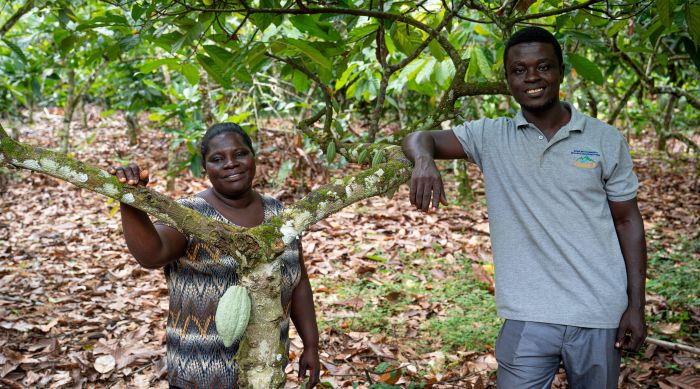
Under the BSP, 69 per cent of payments go directly to local farmers and communities, 27 per cent to government institutions, and 4 per cent to REDD+ Secretariat administration. These funds support activities such as sustainable farming practices, climate-smart agriculture, and alternative livelihoods.
By linking financial rewards directly to forest stewardship, Ghana has created powerful incentives for communities to conserve forests while strengthening their resilience.
“Benefit sharing is more than financing - it fosters sustainable development. Farmers receive climate-smart inputs like tree seedlings and farming tools,” said Ghana’s Benefit Sharing Specialist, Ivy Ashiley.
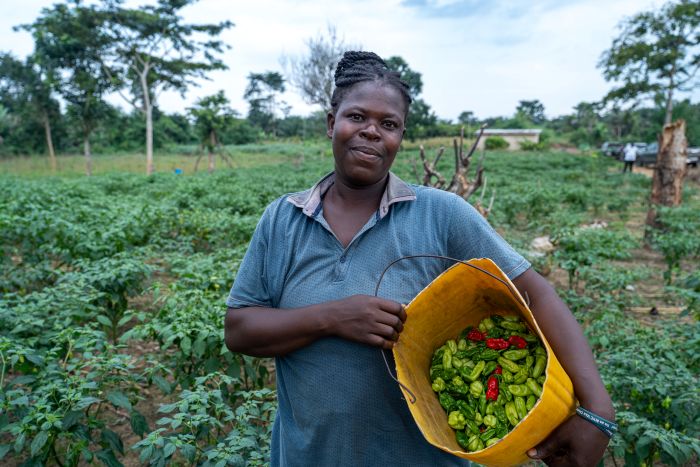
“Women in cocoa communities benefit too: many now supplement incomes through snail farming, beekeeping, and other alternative livelihoods.” .
Ghana has also emphasized transparency and accountability. A REDD+ Dedicated Account Steering Commiitee - comprising of government, private sector and civil society organizations - oversees the distribution of carbon funds to the beneficiaries. Monitoring and reporting systems are also in place to ensure that resources are tracked carefully, and that benefits reach intended recipients, delivering real impact on the ground.
“It is very important that people who put in effort to reduce emissions are acknowledged and rewarded. This recognition motivates communities and shows that climate action and local development can go hand in hand,” said Ashley.
Ghana leads the way but region can follow
Ghana’s pioneering approach is already inspiring other African countries developing their REDD+ programmes. By proving that results-based payments can be equitably shared, Ghana offers a model that balances global climate goals with social inclusion and economic empowerment.
The Ghana model demonstrates how REDD+ finance can be both equitable and effective. By ensuring that communities reap the rewards of conservation, Ghana is transforming climate commitments into local prosperity and resilience. Its approach directly advances the Sustainable Development Goals - from ending poverty and hunger, to promoting gender equality, climate action, and protecting life on land.
When benefit sharing is built on transparency, recognition, and inclusion, it becomes a pathway to sustainable development - one where forests and livelihoods flourish together.