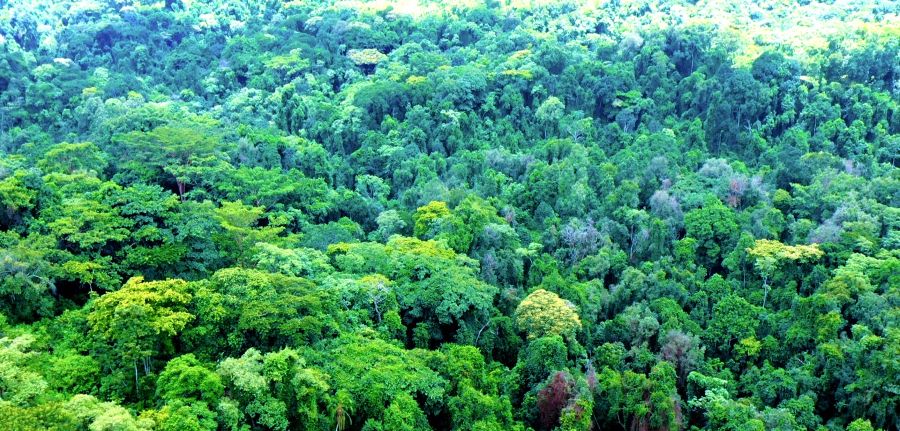
Ethiopia is one of Africa’s most climate-vulnerable countries, facing devastating droughts, land degradation, and increasing pressure on its natural resources from a growing population. But the country is also rich in forest resources - particularly in the largest region, Oromia - which contains nearly half of Ethiopia’s forest cover and is now home to a conservation drive that is vital to the country’s climate mitigation efforts.
Launched in 2017, the Oromia Forested Landscape Program (OFLP) is Ethiopia’s flagship jurisdictional project for reducing emissions from deforestation and forest degradation (REDD+). It represents a partnership between the Government of Ethiopia, the Oromia regional state, local communities, and development partners including the World Bank and Norway’s International Climate and Forest Initiative (NICFI).
Crucially, the project is designed to not only safeguard forests, but also improve livelihoods and strengthen institutions for sustainable land management.
“Protecting these forests is central to the country’s ambition to build a climate-resilient green economy, as outlined in the country's Climate Resilient Green Economy (CRGE) strategy and Nationally Determined Contribution (NDC) under the Paris Agreement,” said Ethiopia’s National REDD+ Coordinator Moges Yitebitu.
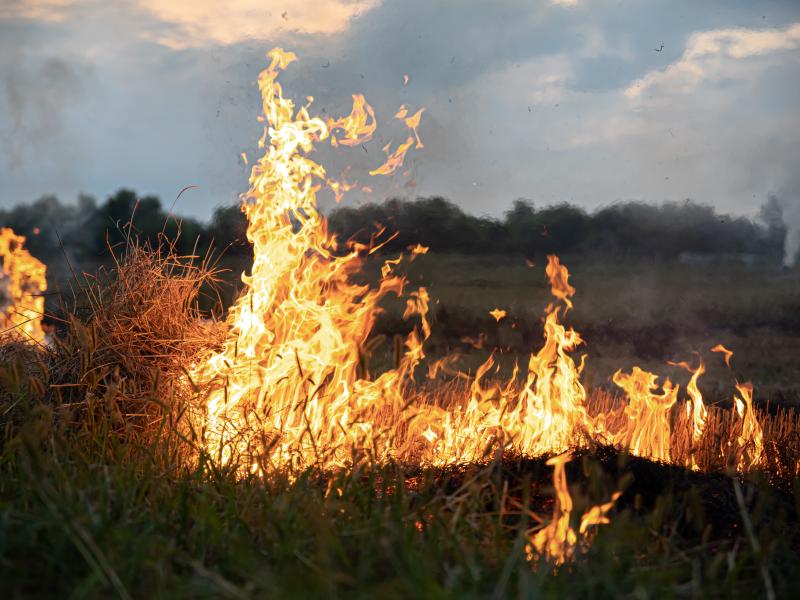
Deforestation and forest degradation account for a large share of Ethiopia’s greenhouse gas emissions. In Oromia, forests are cleared for farmland, fuelwood, and settlement expansion. The OFLP tackles these challenges head-on by promoting sustainable land use and offering alternatives to forest-dependent communities.
The project’s activities cover a wide range of interventions designed to both protect forests and support local communities. These include large-scale afforestation and reforestation efforts to restore degraded lands and expand forest cover, as well as the promotion of climate-smart agriculture practices that improve yields while reducing pressure on natural ecosystems. The project also works to expand agroforestry systems, integrating trees into farmland to enhance soil fertility, increase resilience, and diversify livelihoods. In addition, it supports the adoption of energy-efficient cooking technologies, which reduce household dependence on fuelwood and help lower greenhouse gas emissions. Together, these measures aim to balance conservation with sustainable development, ensuring that communities benefit while forests are preserved and restored.
By keeping forests standing, the OFLP also enables Ethiopia to avoid emissions while enhancing carbon sequestration. Over the programme’s lifetime, it is expected to help reduce millions of tonnes of carbon dioxide equivalent, making it one of the largest jurisdictional REDD+ initiatives in Africa.
Jurisdictional approach leans on strong institutions
One of OFLP’s strengths is its jurisdictional approach, covering the entire Oromia region rather than focusing on isolated forest patches. This allows for coordinated planning across districts and alignment with regional development priorities. A dedicated Oromia REDD+ Coordination Unit (ORCU) was established to oversee implementation, ensuring transparency and accountability.
Safeguards are also at the heart of the project. Systems have been put in place to monitor social and environmental impacts, with mechanisms for communities and stakeholders to raise concerns and participate in decision-making. By embedding these safeguards, the OFLP ensures climate action does not come at the expense of local rights and well-being.
Another key innovation of the OFLP is the linkage between verified emission reductions and results-based payments. In 2023, Ethiopia became the first African country to sign an Emission Reductions Purchase Agreement (ERPA) with the World Bank’s BioCarbon Fund, covering up to 4.8 million tonnes of carbon dioxide equivalent. This agreement provides a pathway for Ethiopia to access payments for demonstrable climate results, channeling finance directly to communities and government institutions working to protect forests.
“On the revenue side, we have a best-in-class Benefit Sharing Plan, whereby 75 per cent of all proceeds from carbon credit sales are earmarked for local communities. This ensures that people see tangible benefits from conservation and are motivated to protect forests in the long term,” said Taye Dugassa, OFLP Program Coordinator.
Norway has also committed significant support through NICFI, reinforcing the partnership and confidence in Ethiopia’s efforts. These results-based mechanisms are essential for scaling up climate finance, rewarding performance, and sustaining long-term action against deforestation.

Boosting livelihoods and resilience
Beyond climate mitigation, the OFLP is helping communities adapt and thrive. Investments in alternative livelihoods - such as honey production, ecotourism, and small-scale enterprises - provide households with income that does not rely on forest clearance. Training in sustainable agriculture improves productivity while maintaining soil fertility and reducing erosion. In turn, these measures contribute to food security and resilience against climate shocks.
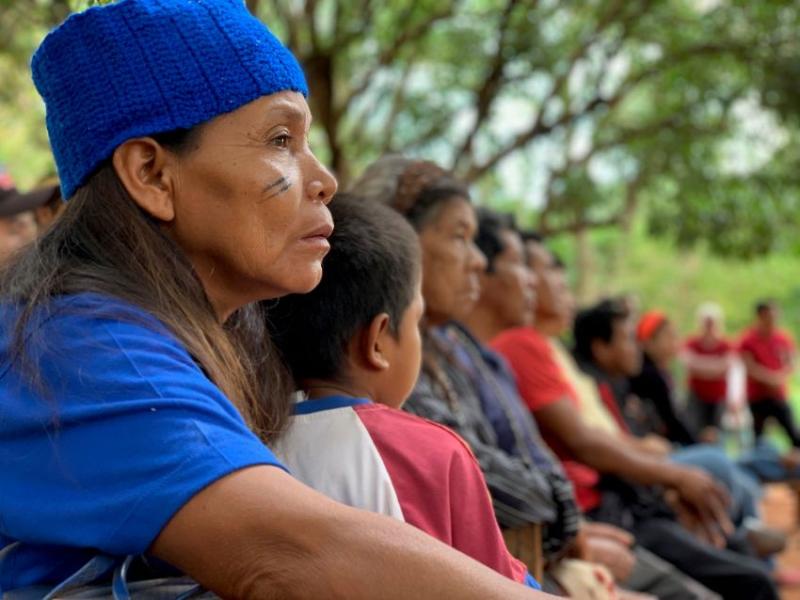
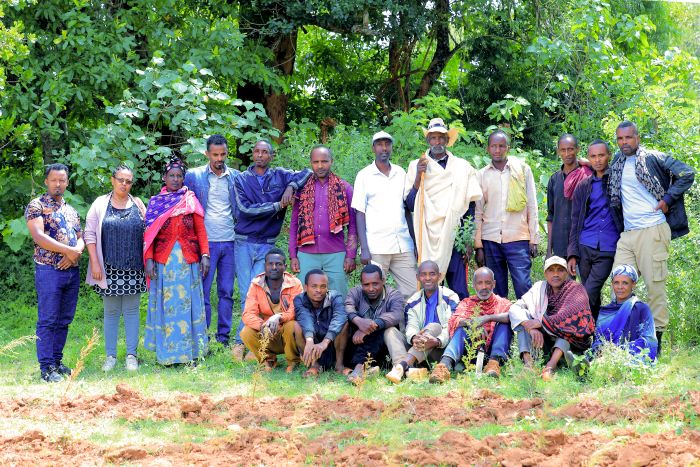
Crucially, the project recognizes the role of local communities and traditional institutions. By engaging forest-dependent peoples in planning and benefit-sharing, the OFLP builds ownership and ensures that climate action delivers social as well as environmental dividends.
“We take inclusivity very seriously. During the programme’s design phase, we held more than 100 consultation meetings, with thousands of community members participating. Local governments, civil society, and traditional institutions have also been directly involved in shaping decisions,” said OFLP’s Dugassa.
Contribution to national and global goals
The Oromia Forested Landscape Project goes beyond the country’s most populous region- it is also a pillar of Ethiopia’s national climate strategy. By demonstrating how large-scale, jurisdictional REDD+ can work in practice, it provides a model that can be replicated across the country. The emission reductions achieved will directly contribute to Ethiopia’s NDC targets, while the financing mechanisms set important precedents for other African nations seeking to access carbon markets.
Globally, the OFLP shows that protecting forests is not only a conservation goal, but also a powerful climate solution. As the world aims to meet the Paris Agreement goals, Ethiopia’s experience offers valuable lessons on aligning climate finance, community participation, and institutional reform to drive sustainable change.
The Oromia Forested Landscape Project demonstrates Ethiopia’s leadership in linking forest protection with climate action, livelihoods, and green growth. By reducing deforestation, enhancing resilience, and unlocking results-based payments, it is helping turn climate commitments into concrete results. For Ethiopia and the wider region, the project stands as a beacon of how forests can power a low-carbon, climate-resilient future.