Forests cover around 75 per cent of Guinea-Bissau's land area, with more than half of it – 53% designated primarily for biodiversity conservation (FAO FRA 2025), confirming the recognition of its importance for people, livelihoods, and the environment.
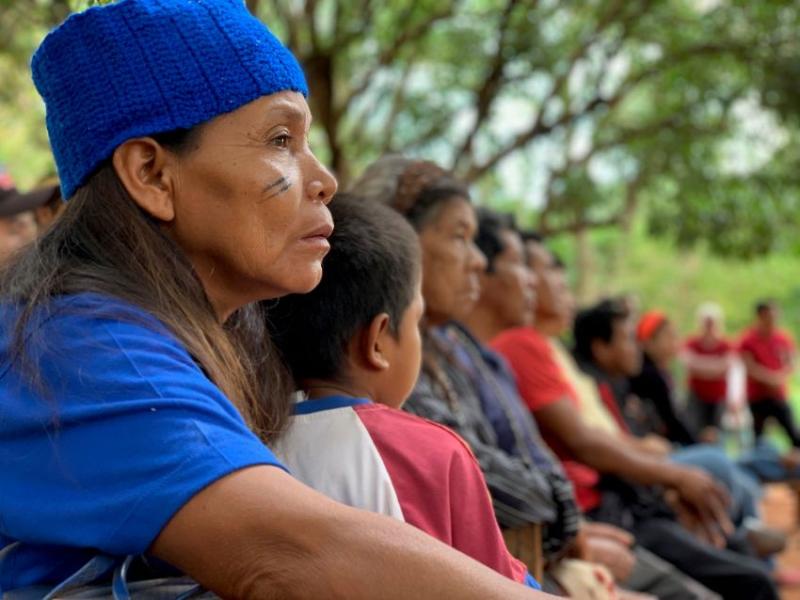
In the reddish-soiled savannahs near Bafatá, in the eastern part of the country, the importance of the forest is woven into daily life. These landscapes provide food, fuel, income, and cultural meaning for rural communities, but they are increasingly under pressure. In recent years, changes in the landscape have prompted communities to reflect on how to care for their forests and strengthen local practices to ensure the land and forests continue to provide for generations to come.
Building on this deep connection to their forests, four communities across Bafatá and Gabú are taking a path of forest protection. With support from the Food and Agriculture Organization of the United Nations (FAO) and in collaboration with local NGOs SWISSAID and Sahel 21, local groups are restoring the land, rethinking the use of non-wood forest products, and creating green jobs. Activities focus on products that communities already know well and use every day. These include baobab fruit, processed into juices, powders, syrups, and dried snacks; madd, transformed into juices and sweets; wild honey collected through improved beekeeping practices; and other locally available forest products that can be stored, transported, and sold with higher value.


“The communities in Guinea-Bissau are showing how local knowledge and leadership can drive real, lasting change,” said Maria Ruiz-Villar, FAO Forestry Officer supporting the project from FAO’s side. “Our role is to walk alongside them, offering technical support and learning from what works on the ground.”
The work is being implemented under the initiative “Global Transformation of People and Climate: Focus on West Africa”, implemented by FAO in collaboration with ECOWAS and the Swedish International Development Cooperation Agency (Sida), and represents one of 15 country initiatives in West Africa supported through this regional effort.
Aïssé Baldé, Project Coordinator at SWISSAID, added: “This initiative is giving people the chance to put their own ideas into action. It’s not about arriving with a fixed solution – it’s about supporting what communities are already doing and helping them go further.”


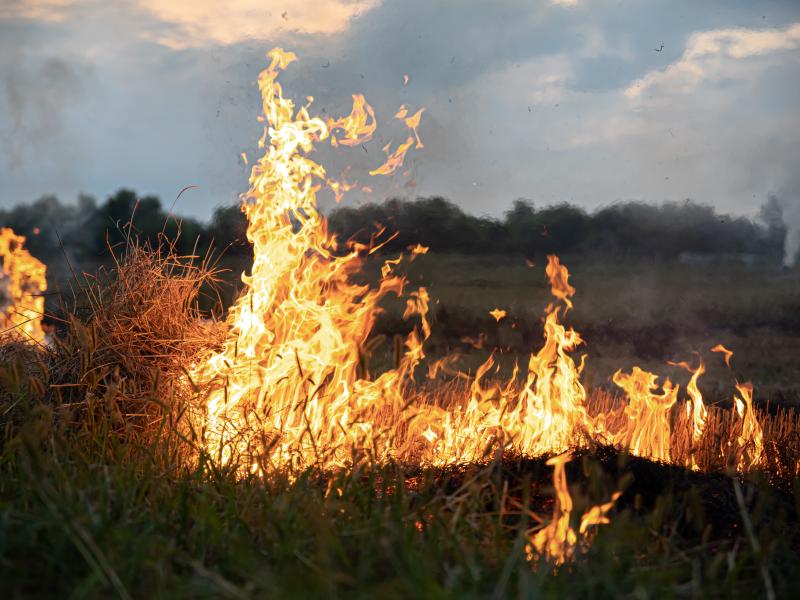
Each village now has a local committee, elected by the community, with equal space for women and men. They meet regularly to decide where to plant trees, how to manage bushires, and how to share the benefits of non-timber forest products (NTFPs) like madd, baobab, and wild honey.
“People have been really committed,” said Abudu Cassamá, who works with Sahel 21. “The committees have grown stronger and are thinking more about the long term – not just what they can take from the forest today, but what they can leave for their children.”
“We used to go into the forest without thinking about the future,” said Adama Dembu, a father of five and member of a village’s forest management committee. “Now we sit down, we plan. We know that if we take everything today, there will be nothing left for tomorrow.”
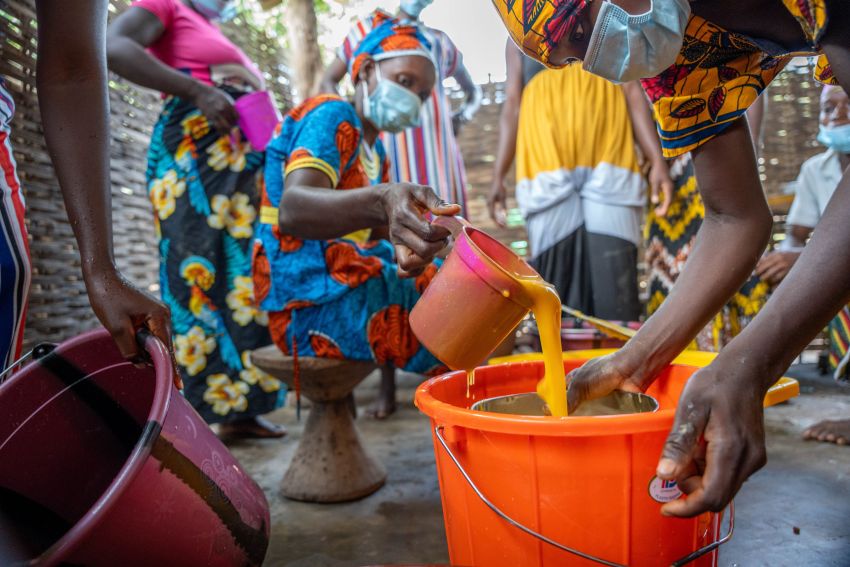
In several of the villages, women are now learning new ways to process and transform local forest products into items they can sell. Through training sessions supported by the project, they are discovering how fruits like baobab and madd can be turned into juices, syrups, dried snacks, and even soaps.
These training courses are led by Penda Queta, a village resident and facilitator who specializes in agroprocessing and women’s entrepreneurship. She works closely with each group, helping them explore both traditional recipes and new techniques to create products that can succeed in local markets.

“This work is important not just for income, but for our well-being,” said Penda. “It gives women the confidence to manage a business, to use what the land offers us in smarter ways – to feed their children, to sell at the market, and to build something together.”
This growing knowledge is not only increasing household incomes but also creating new opportunities for collaboration and solidarity among the women. “It helps us support our families and contribute to the community,” said one participant. “Before, we didn’t know all the ways these products could be used. Now we have ideas – and markets.”
She helps lead the group in her village, where they transform madd into juice and sweets sold in local markets. Before, the women used to sell raw fruits by the roadside with little return. Now, thanks to the skills they have learned through the project, they clean, dry, and bottle the products – adding value and earning more, while reducing waste.


But challenges remain. Transport to markets is limited, and with no cold storage or organized cooperatives, products spoil quickly. Still, training sessions in agroforestry, wild fruit processing, and nursery management are helping villagers refine their skills and see the forest in new ways. The project has also supported bareroot nurseries with climate-adapted species – a powerful tool for restoring degraded land.
This community-led approach also reflects a broader regional and global movement to strengthen local forest governance through South–South cooperation. In Cabo Verde, a recent South–South exchange brought together countries from Latin America, Asia, and Africa to share experiences on community forestry, sustainable value chains, and inclusive forest management. The exchange culminated in the Praia Declaration, a joint commitment to place local communities, women, and youth at the centre of forest and climate action. Supported by Sida and the UN-REDD Programme, the South–South exchange helped bridge collective global commitments and everyday practices in community forests.
Traditional knowledge meets structured governance
Abudu Cassamá is local to the region and has worked with these communities for years. “The knowledge was already there,” he said. “People knew when to plant, how to prune, how to gather without destroying. What was missing was coordination – and the chance to make their voices count.”
That is where the community forest committees come in. With bylaws drafted in consultation with elders, youth, and women, each village now has a shared agreement on how to use and protect its forests. Some forbid charcoal burning entirely. Others designate zones for reforestation, fruit collection, or seasonal grazing.
A future growing from the ground up
With the rain returning late and finishing early, communities are already feeling the effects of climate change. Drought has killed seedlings in some plots. Firebreaks are hard to maintain. And despite bylaws, illegal logging persists on the edges of community lands. But many agree that the sense of ownership has shifted. “Before, if you saw someone cutting a tree, you’d look away,” said Adama. “Now, you speak up. It’s your forest.”
Across the four pilot villages, over 10 000 seedlings have been planted since 2023, including baobab, néré, and cashew trees that offer both food and income. Wild bees are returning. Women are looking at training in beekeeping in order to launch their own honey businesses. Youth are exploring new income streams. And people are planning for what comes next.