Figure 1: Carbon storage process in Peatlands
This figure illustrates the complex carbon and methane cycles in peatlands, highlighting the processes of carbon accumulation, release, and the impacts of fire and other disturbances on peatland ecosystems.
When we think of natural climate solutions in Africa, forests and savannas often take center stage. But beneath the surface—quite literally—lies one of the continent’s most powerful carbon storage systems: peatlands. These waterlogged ecosystems, though often overlooked, are emerging as vital players in the global fight against climate change.
Vast and underexplored: Africa’s peatland potential
Africa is home to some of the world's most extensive tropical peatlands. From the massive Cuvette Centrale in the Congo Basin to the highland peatlands of Ethiopia and newly discovered deposits in Angola, peatlands are spread across diverse landscapes including major river basins and coastal areas.
Despite their scale, much remains unknown. Data on the full extent and condition of these ecosystems is still limited. Early estimates suggest that African peatlands hold over 35 billion tons of carbon, with the Congo Basin alone storing about 30 gigatons—an amount comparable to global fossil fuel emissions over three years.
We urgently need more research to map, monitor, and understand these peatlands, especially given the climate stakes.
Peatlands: Nature’s Carbon Vaults
Peatlands are among the most effective natural carbon sinks on Earth. They accumulate partially decayed plant material over thousands of years, trapping massive amounts of carbon in their saturated soils. As long as they remain undisturbed, peatlands lock away more carbon per hectare than forests.

Figure 2: Distribution of peatlands across African ecosystems
This map highlights the geographical spread of peatlands across Africa—from river basins and coastal zones to highlands—underscoring their diversity and ecological significance.
However, once degraded—whether through drainage, land conversion, fire, or pollution—these ecosystems quickly become major emitters of greenhouse gases like carbon dioxide (CO₂) and methane (CH4). This not only erases decades of climate mitigation efforts gains but also accelerates global warming.
Mounting threats, growing risks
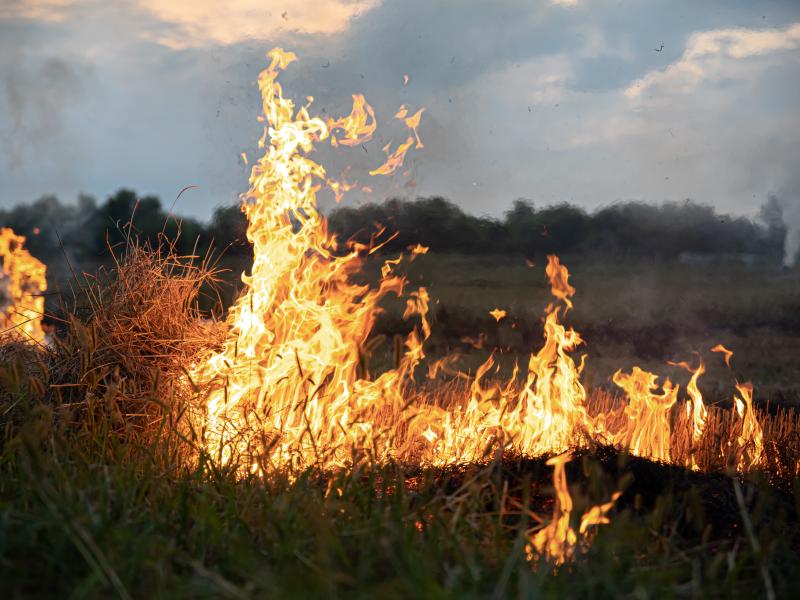
Across Africa, peatlands are facing increasing pressure. Oil and gas exploration and ensuing oil spills and leaks, mining, infrastructure development, and agricultural expansion are draining and damaging peat-rich areas. In some regions, wildfires—often intensified by human activities and a drying climate—pose an added threat.
Without urgent action, Africa’s peatlands could shift from being crucial carbon sinks to massive emission sources, jeopardizing efforts to meet the Paris Agreement’s temperature goals and threatening biodiversity hotspots that many of these peatlands support.
From Indonesia to Africa: adapting what works
There is hope. REDD+ initiatives are key to providing African countries with the financial resources needed to address the vulnerability of these peatlands and the threats they face. REDD+ leveraged finance will be critical to enable land users in these peat areas to make investments that ensure that the hydrologic conditions are stabilized, and peat accumulation is resumed.
The UN-REDD Programme has already made significant progress in Indonesia, supporting sustainable peatland management through jurisdictional approaches, fire prevention, and results-based financing. These experiences offer valuable lessons for Africa.
In fact, international collaboration on peatland protection is already underway. The Brazzaville Declaration—signed by tropical countries in Africa, Asia, and Latin America—lays the groundwork for shared learning and joint action. Organizations like the International Tropical Peatlands Center are helping to turn this vision into reality.
Charting a way forward
To unlock the full climate potential of Africa’s peatlands, we need to:
- Expand research to map and monitor peatland ecosystems.
- Integrate peatlands into climate policies, such as NDCs.
- Mobilize finance for conservation, restoration, and sustainable livelihoods.
- Empower local communities through inclusive, jurisdictional approaches.
Interventions needed to be made to address them are detailed in the table below:
|
Peatland intervention |
Driver addressed |
Basin peat |
Coastal peatland |
Highland peat |
Mountain peat |
|
Increasing NDC ambition |
Increasing public resources for improved management |
Peat is included in NDC, but the scope for growing targets |
No peat is included in the NDC |
Peat included |
No peat is included in the NDC |
|
Protection |
Oil exploration/large-scale conversion |
Avoid potential GHG emissions through oil and gas exploration and drainage and facilitate improved land use planning for agricultural development |
Map and assess the level of degradation and work towards the protection of undisturbed peatlands |
Work towards increased protection of the remaining undisturbed peatlands |
Identify and map peatlands |
|
Restoration |
Smallholder disturbance/wildfire |
Facilitate community-based restoration |
Initiate restoration in the degraded peatland area |
Accelerate and enhance the peat restoration agenda at the national level |
Need to be better assessed |
|
Peat fire control |
Wildfires |
Strengthening IFM capacity through the jurisdictional Fire Protection Association |
Assess fire risk and capacity |
Strengthen the IFM capacity at the subnational jurisdictional level |
Assess fire risks |
|
Sustainable management through paludiculture |
Smallholder disturbance |
Facilitate, through participatory technology development, plasticulture-based livelihood systems based on fisheries and sustainable collection of yams and cropping systems (yams, etc.) |
Conduct socio-economic baseline studies of peat-dependent communities |
Strengthen papyrus-based value chains through blended finance and identify other paludiculture options. |
Conduct a social and economic baseline study |
|
Investment |
Use of peat for mining/fuel |
Provide existing innovative finance initiatives and develop investable peat-based projects. |
Develop an alternative paludiculture option, like fisheries processing |
Investment in papyrus-based value chains, like fibres and alternatives to timber |
Investment in developing renewable energy for the use of peat as a fuel |
Peatlands may not always be visible on the surface, but their impact runs deep. With the right support, they can become a powerful tool in Africa’s—and the world’s—climate strategy.
Let’s not overlook this buried treasure.
Sources:
- Dargie et al. (2017), Nature. Age, extent and carbon storage of the central Congo Basin peatland complex
- Elshehawi, et al. 2019. Assessment of Carbon (CO2) emissions avoidance potential from the Nile Basin peatlands
- Kieft, J., Bambang, A. 2024. Sustainable peat management and restoration in REDD+ Results-based programs
- Brazzaville Declaration on Peatlands
- International Tropical Peatlands Center
- Gray, A. 2006. The Influence of Management on the Vegetation and Carbon Fluxes of Blanket Bog. PhD. The University of Edinburgh, Edinburgh.
- Nwankwo, C., Tse, A.C. and Nwankwoala, H.O. 2023. Carbon storage of Mangrove Sediments in Kibani, Eastern Niger Delta, Nigeria: Implications on the Environment
- Uwadiegwu Ibeabuchi. 2023. Mapping Carbon Storage and Sequestration in Nigeria: A REDD Policy Initiatives