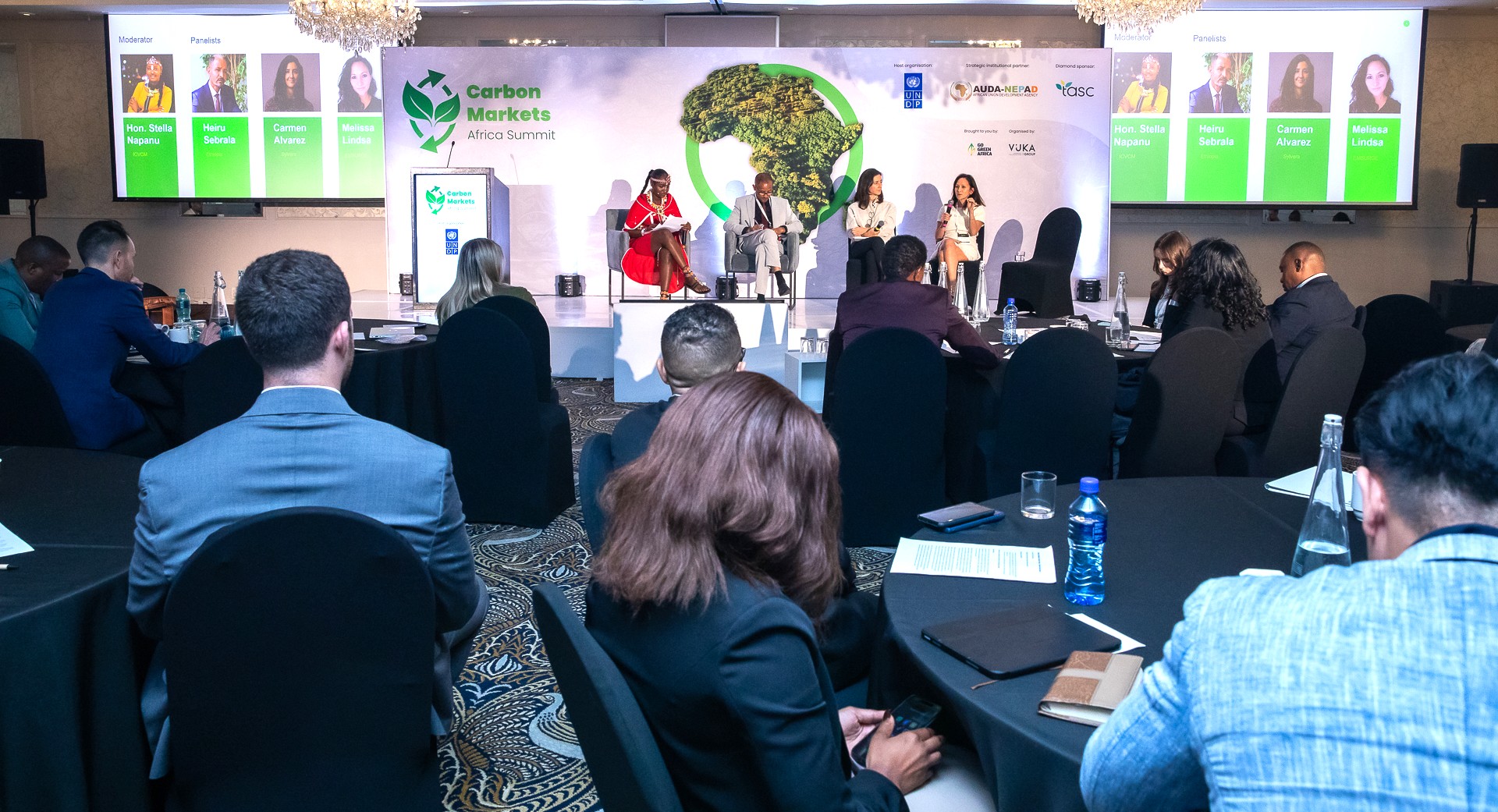
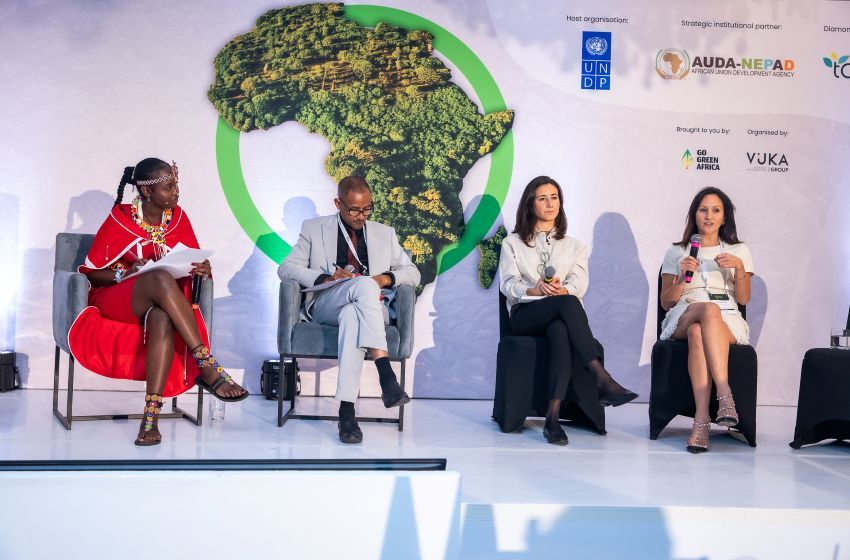
Johannesburg, October 2025 — African countries are advancing rapidly from readiness to results in REDD+ implementation, as the UN-REDD Programme and Integrity Council for the Voluntary Carbon Market (ICVCM) convened a high-level REDD+ Investment Roundtable on the margins of the Africa Carbon Markets Summit in Johannesburg, South Africa.
The roundtable brought together governments, corporate buyers, investors and technical partners to accelerate jurisdictional REDD+ investments in the lead-up to COP 30 in Belém, Brazil. Building on the first REDD+ Investment Roundtable held in London in July, which marked a breakthrough in connecting forest nations with private-sector actors, the Johannesburg meeting focused on implementation, transactions and measurable outcomes.
From readiness to results
Country delegates from Ethiopia and Uganda shared updates on national progress and investment opportunities for large-scale forest carbon initiatives.
Ethiopia presented its goal of increasing forest cover to 30 percent by 2030 through the Green Legacy Initiative, supported by the Climate Resilient Green Economy (CRGE) Strategy and a new national carbon market framework. The country is investing in digital MRV and registry systems to ensure transparency, permanence and integrity in carbon transactions, positioning itself as a model for emerging market readiness.
Uganda, the first African country to submit REDD+ Results to the UNFCCC in 2020, outlined progress toward verified issuance and results-based payments. With the Climate Change Act (2021) and Climate Finance Strategy (2025) in place, Uganda is advancing its MRV systems, REDD+ registry and safeguards to align with Article 6 mechanisms under the Paris Agreement.
Bridging supply and demand
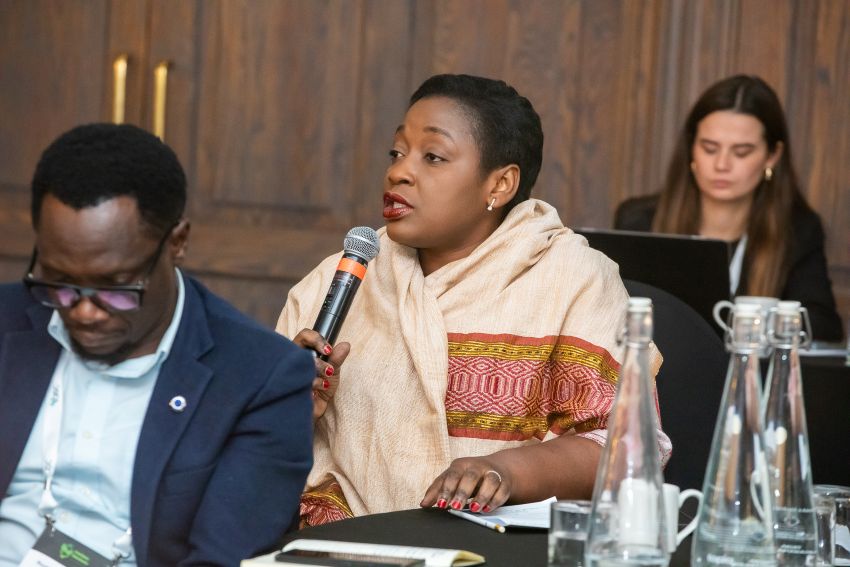
Roundtable discussions highlighted the critical need to bridge the gap between supply and demand in the carbon market through improved coordination, transparency and understanding between governments and investors. Participants emphasized that while countries are nearing readiness to supply credits, maintaining momentum and registering verified results will be key to demonstrating credibility, particularly as buyers remain cautious without tangible assurance.
Investors, buyers and data firms like Emsurge and Sylvera expressed strong interest in collaboration, provided that open platforms for dialogue and clear governance frameworks are in place. Key focus areas included establishing robust legal frameworks, operational transparency and standardization to enhance market functionality.
Investors also called for clarity on land tenure, benefit sharing and governance, and stressed the importance of interoperable, fungible credits across voluntary and compliance markets. Addressing market fragmentation, strengthening digital MRV systems and streamlining processes such as Letters of Authorization were identified as essential steps to unlocking liquidity and scale.
“African countries are showing tangible progress in readiness and governance,” said Dr. Olufunso Somorin of the African Development Bank. “With credible verification and effective partnerships, the continent can position its forests at the heart of its green growth agenda.”
Countries like Ethiopia are leading in capacity building and digital infrastructure, providing models for future early movers. Participants agreed that pragmatic, collaborative efforts and timely action are vital to accelerate the development of a credible, efficient and inclusive carbon market that benefits all stakeholders.
Key takeaways
- African countries are advancing from readiness to implementation in REDD+.
- Verified issuance and transparent systems are central to market credibility
- Legal clarity, digital MRV and benefit-sharing frameworks are essential foundations
- International and domestic regulatory stability and consistent international standards are essential to drive investment and scale the market
- Bridging supply and demand requires open collaboration and consistent dialogue.
The event came at a crucial moment ahead of COP 30 in Belém, Brazil, where countries and partners will assess global progress on forest and land-use goals under the Paris Agreement. The insights and partnerships forged in Johannesburg and Seoul are expected to inform and strengthen discussions on scaling high-integrity jurisdictional REDD+ as a cornerstone of nature-based climate action.
As momentum builds toward Belém, one message is clear: jurisdictional REDD+ is moving from policy concept to market reality, with tangible pathways now emerging for large-scale, high-integrity forest finance.