UN-REDD supports progress on land rights across Ecuador, Congo And Indonesia
Across forest countries, securing land and tenure rights is increasingly recognized as central to climate action, biodiversity protection and resilient livelihoods.
In Ecuador, the Republic of Congo and Indonesia, governments working with UN-REDD and partners are translating REDD+ investments into concrete gains for Indigenous Peoples and local communities, demonstrating how rights-based approaches strengthen forest outcomes.

hectares in Ecuador
Ancestral land titled to 3 Shuar communities
hectares in the Republic of Congo
Planned tenure documentation for smallholder farmers
hectares in Indonesia
Customary forest recognition targeted by 2029
Securing Indigenous land rights in the Amazon
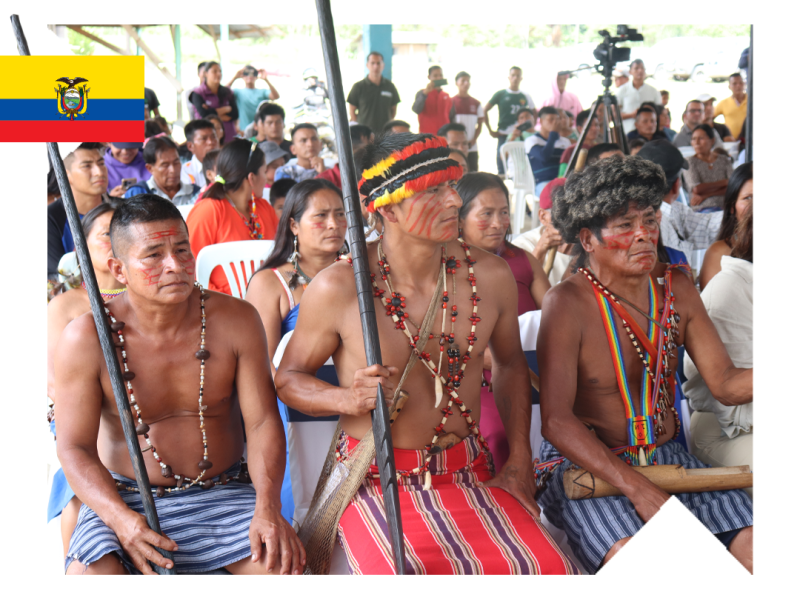
Ecuador: Ecuador secured legal land title for 18,408 hectares of ancestral Amazon forest for three Shuar communities in 2025, strengthening Indigenous land rights while advancing REDD+ climate goals.
In 2025, Ecuador secured legal title for 18,408 hectares of ancestral lands for three Shuar communities in the Kutukú Shaimi Protected Forest - a critical Amazon region under the leadership of the Government of Ecuador and with support from UNDP through the REDD+ Results-Based Payments project and the UN-REDD Programme. This breakthrough strengthens community governance in a forest landscape vital for carbon storage and biodiversity.
Thanks to capacity building, the Shuar groups are now better equipped to access future REDD+ finance under a clear benefit-sharing framework that aligns climate ambition with equity. In addition, with land tenure officially recognized, communities are actively implementing forest restoration actions through REDD+ Results-Based Payments project contributing to long-term ecosystem resilience.
This milestone demonstrates how REDD+ can advance climate goals while delivering social justice. By securing formal rights in a remote Amazon area, Ecuador is setting a powerful example for forest nations worldwide.
Documenting agroforestry land rights
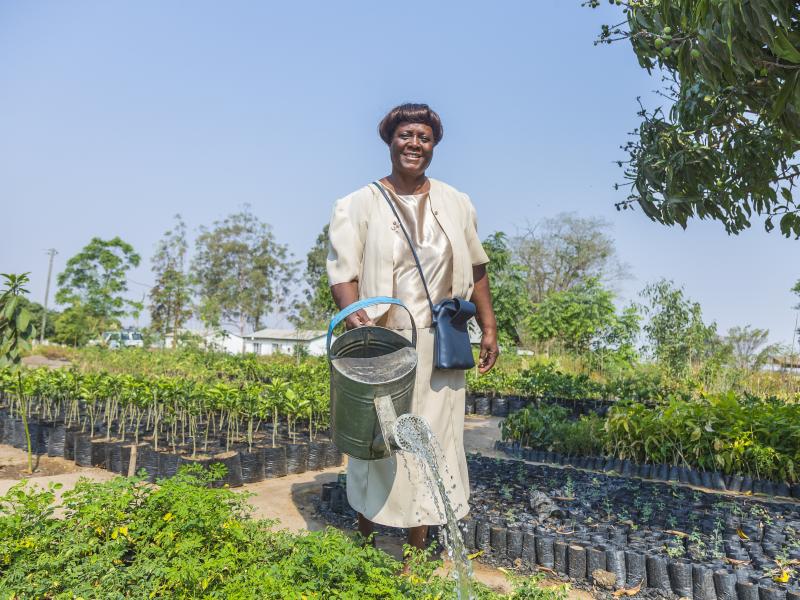
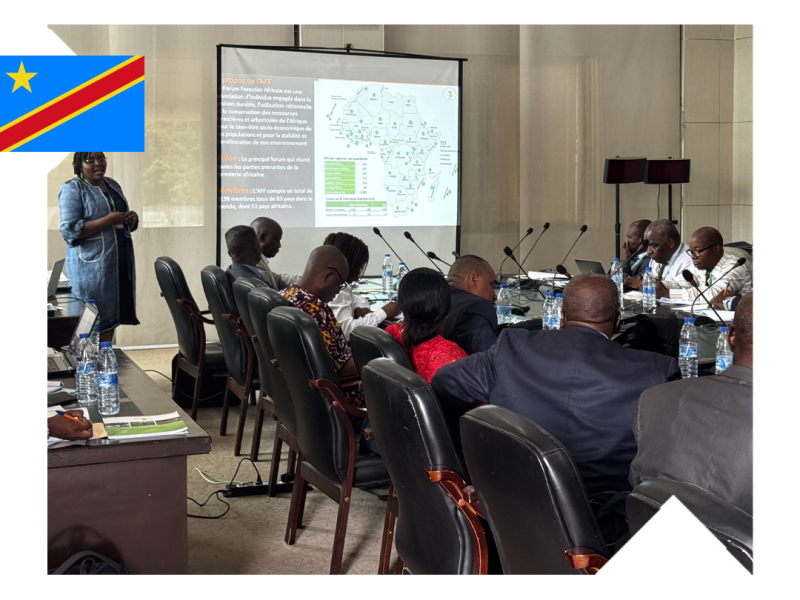
Republic of Congo: Republic of Congo is formally documenting land rights for smallholder agroforestry farmers, starting in Onianva village, with plans to scale to 14,500 hectares.
Since 2021, the Republic of Congo has implemented a Green Climate Fund–financed programme, with complementary support from UN-REDD, to improve land tenure security and livelihoods for Bantou and Indigenous Peoples through climate-smart agroforestry. A recent milestone was achieved in Onianva village, Ngo District, where tenure rights for smallholder farmers were formally recorded for the first time.
Under the leadership of the National Programme on Afforestation and Reforestation (PRONAR), the State allocated user rights for one-hectare agroforestry plots on savanna lands designated for tree planting. To date, land documentation has begun at scale, with plans to extend registration across up to 14,500 hectares.
Farmers are intercropping acacia trees with cassava, maize and okra, reducing pressure on natural forests while improving soil fertility, crop yields and food security. Tenure documentation is generated using FAO’s Open Tenure digital tool and is formally recognized by local authorities. Women and Indigenous Peoples are prioritized in land allocation, helping address long-standing inequalities in access to land.
Accelerating recognition of customary forests
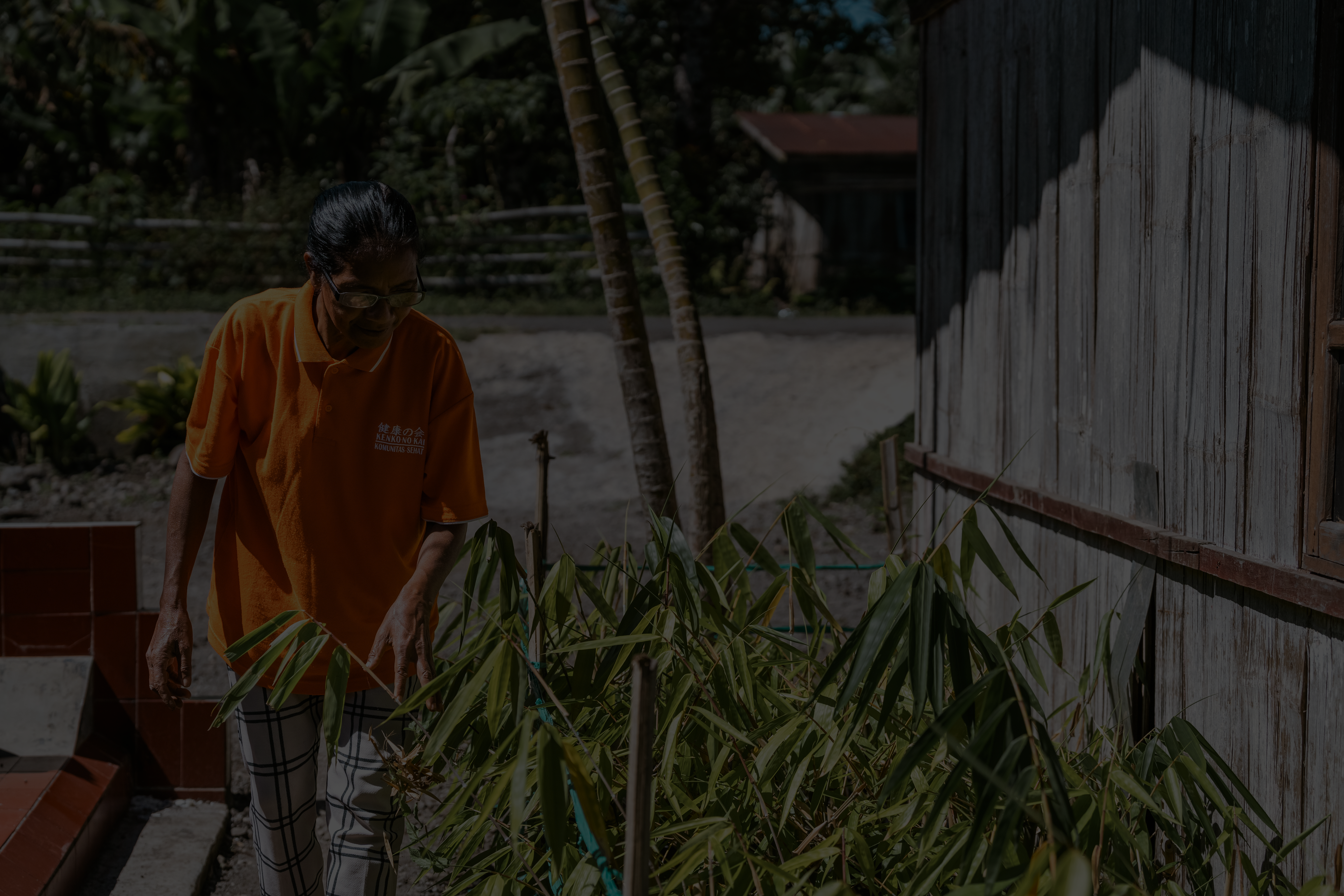
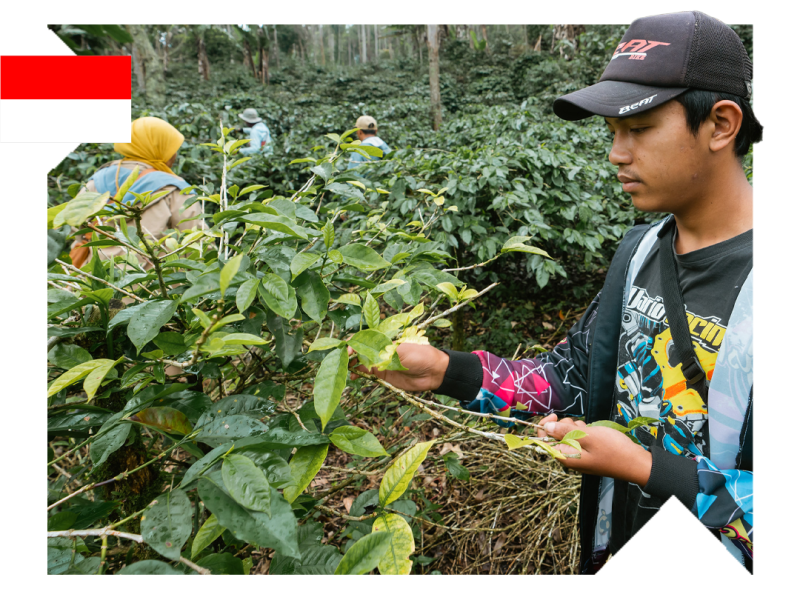
Indonesia: Indonesia is accelerating recognition of customary forests, aiming to formally recognize 1.4 million more hectares by 2029, building on the 345,000 hectares already secured for 164 Adat communities.
In 2025, Indonesia reaffirmed its commitment to Indigenous Peoples and local communities as forest stewards, announcing plans to recognize an additional 1.4 million hectares of customary forests (Hutan Adat) by 2029. The government also endorsed the Intergovernmental Land Tenure Commitment at UNFCCC COP30 in Belém.
This momentum is anchored in Ministerial Decree No. 144/2025, which established a Special Task Force to accelerate recognition of customary forests. The decree builds constitutional guarantees, the Forestry Law, and a landmark Constitutional Court ruling affirming that customary forests belong to Adat Law Communities, not the state.
Customary forests form part of Indonesia’s Social Forestry programme and provide a pathway toward full land title recognition. As of October 2025, 164 Adat communities had secured recognition for more than 345,000 hectares, benefiting approximately 88,000 households.
With funding from Norway, UNDP through UN-REDD is supporting implementation by developing a multi-stakeholder roadmap, strengthening field verification and consolidating a national customary forest database.
Rights at the heart of climate action
Together, these experiences show how REDD+ can advance climate goals while delivering social justice. By securing land rights and tenure, countries are strengthening forest governance, empowering communities and laying the groundwork for durable, high-integrity climate action.