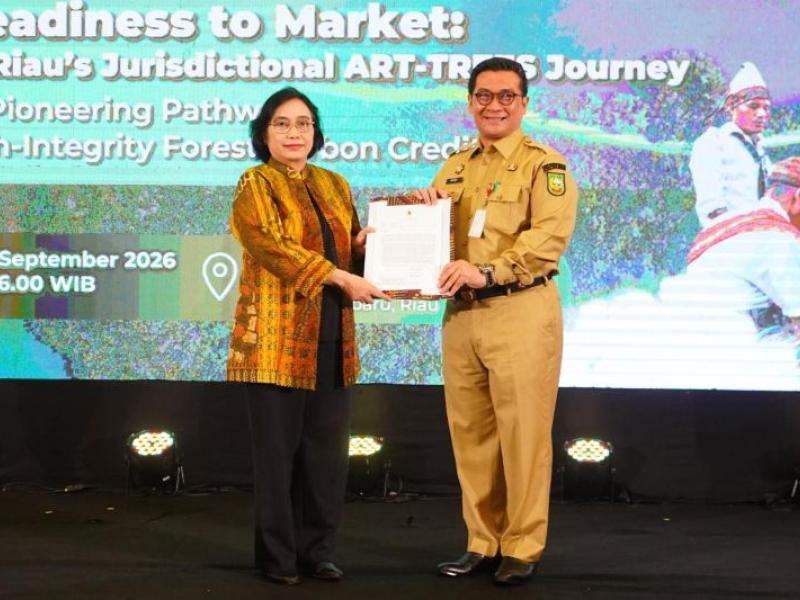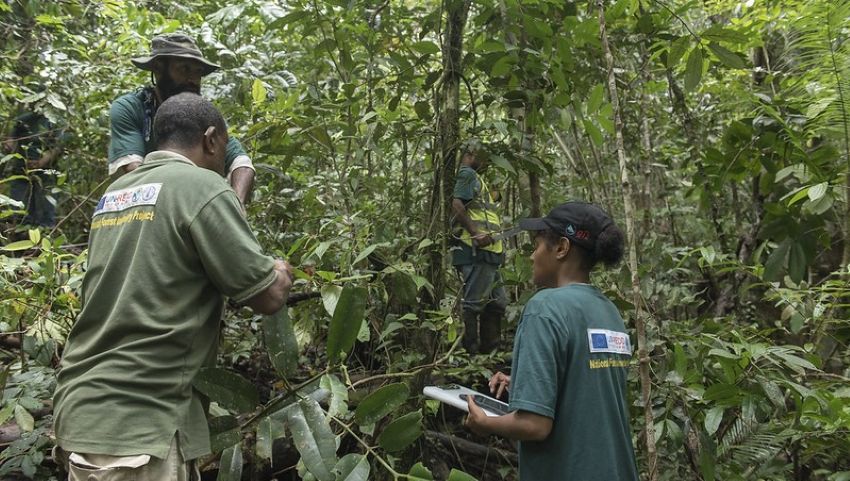
Papua New Guinea has officially launched implementation of the Green Climate Fund (GCF) Results-Based Payment (RBP) Programme, transforming years of REDD+ efforts into one of the country's largest climate finance initiatives.
The programme is designed to demonstrate how verified emission reductions can be translated into tangible benefits for communities while supporting long-term forest conservation.
The initiative follows the approval of USD 63.4 million by the Green Climate Fund in recognition of PNG's verified reductions in emissions from deforestation and forest degradation. The GCF approved USD 63.4 million in results-based finance, recognising approximately 17 million tonnes of verified emission reductions achieved between 2014 and 2016.
Implemented through a partnership between the Climate Change and Development Authority (CCDA) and the Food and Agriculture Organization of the United Nations (FAO), the six-year programme aims to strengthen sustainable forest management, improve governance systems, and support community-led development initiatives.
A defining feature of the programme is its focus on benefit sharing. In accordance with Papua New Guinea's REDD+ Benefit Sharing Guidelines, approximately 60 percent of programme funding will be committed to supporting community livelihoods and low-emission development.
Initial implementation will focus on six provinces selected using criteria including emission-reduction performance, forest landscape integrity and population pressure: East Sepik, West Sepik, Western, Hela, Chimbu and West New Britain. Activities will include sustainable land-use
planning, forest conservation, community development, and strengthened monitoring systems.
For the global REDD+ community, PNG's experience demonstrates the long-term value of investing in REDD+ readiness and implementation. The programme is the culmination of years of work to develop forest monitoring systems, safeguards, policies, and institutions capable of generating verified results. It also provides a practical example of how climate finance can reward successful forest conservation while delivering social and economic benefits at the local level.
As implementation begins, the programme offers an important opportunity to demonstrate how results-based payments can support both climate objectives and sustainable development, creating incentives for communities to conserve forests while strengthening resilience and livelihoods.
Contact information
Michael Evoa, National Communications Specialist