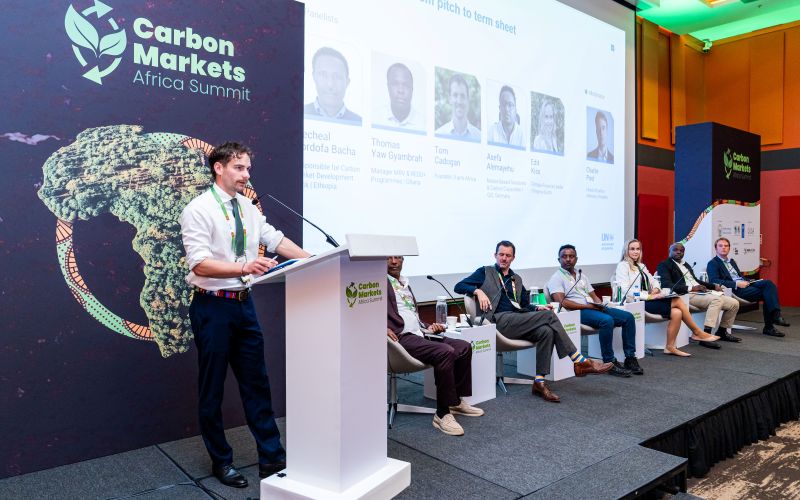
When we planned our UNEP side event at the Carbon Markets Africa Summit in Kigali, we made a deliberate choice: no more supply and demand roundtable. We had run that format in London, Johannesburg, Seoul and Singapore, and it did its job well. But the room now knows the script, so we tried something a bit different.
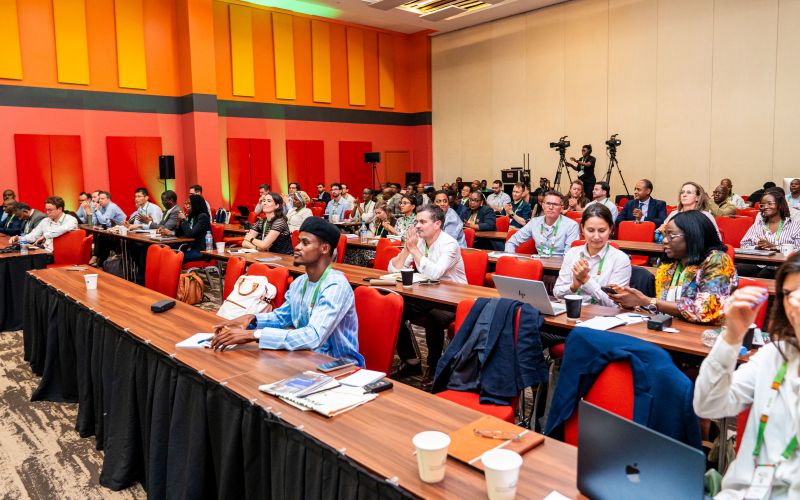
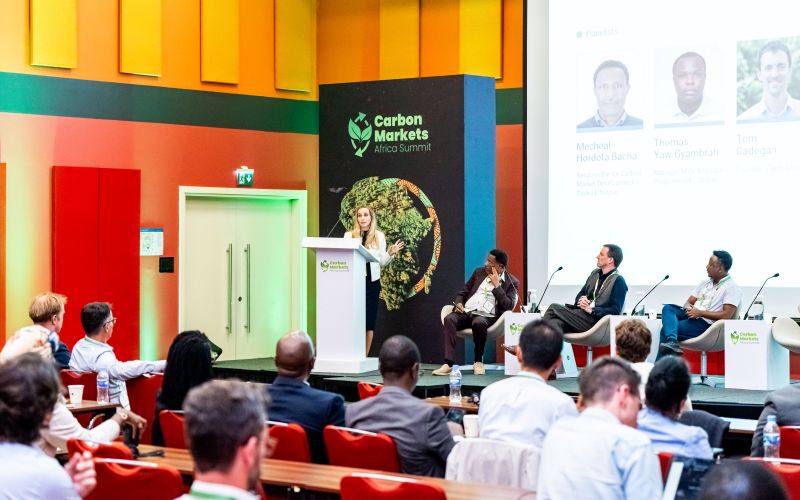
The session was almost full, and the audience stayed engaged and off their phones throughout.
The format
- Introductions
- A market presentation from Sylvera
- Four TED-style keynotes: two from the supply side and two from the demand side
- A panel moderated by Charlie Pool of Howden
- Open Q&A
What worked
Supply, demand and government participants were all speaking the same language, and I mean that in the sense of finance and business, not literally. Government officials, project developers and investors were talking about risk, structure, timelines and returns in terms each side understood, which is rarer than it should be. Speakers also avoided long, scripted statements, a welcome contrast to many events. When people are asked to be short and direct, they were.
CMAS in context
Our session sat inside a summit which drew over 600 people from 47 countries, including 23 African countries, with a clear message. Rwanda's Minister of Environment, Bernadette Arakwiye, opened by setting out three priorities for Africa's carbon markets: methodologies suited to African contexts, project preparation and readiness finance, and long-term demand at fair value. The summit also saw the launch of the Africa Nature Impact Fund and the Africa Carbon Investment and Finance Alliance
Other participants drew similar conclusions. Carbon project developer DelAgua l, which runs a stove programme based in Kigali, reported that governments and the private sector were visibly working together. Their reflections called for developers and investors to have a seat where technical rules are set, and for the buy side to be built at the same pace as supply. That is the gap our session was designed to address, and the pressure is real: under CORSIA, ICAO expects first-phase demand of 100 to 150 million tonnes, while IATA estimates only about 38 million tonnes of eligible supply.
Why do deals stall?
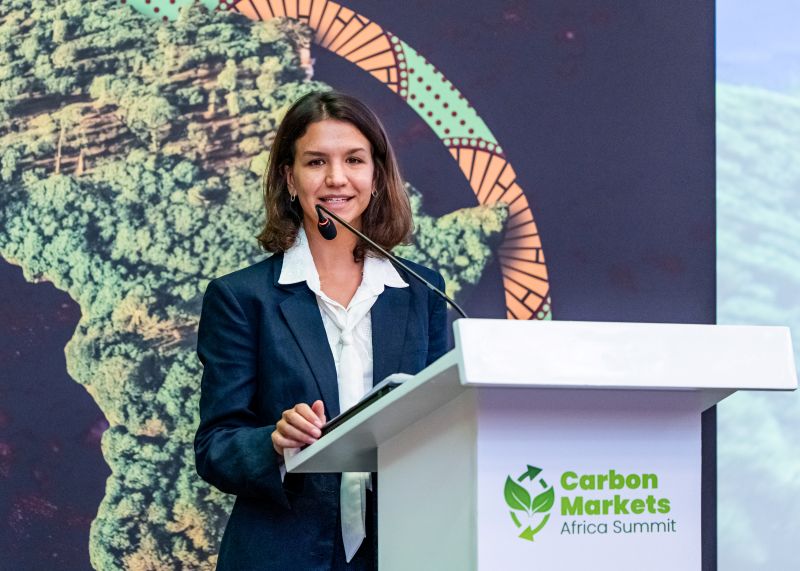
The panel centred on that question. Tom Cadogan, Farm Africa argued that people are not properly assessing who carries the risk, now and going forward. Deals stall when each side assumes the other is holding it. Panellists added that the rules are changing very quickly, which makes risk harder to price and easier to avoid.
Give the analyst reasons to say yes
One of the most useful ideas of the afternoon was that the grey area in the middle of a deal does not need to be guesswork. The data is there, and so is the support. The goal is for the investment analyst to reach the board with reasons to say yes, not a list of reasons to say no.
That means projects understanding how an investor's process works, and managing expectations on time. Capital moves through due diligence, committees and boards, and a project that doesn't know this can look slower and riskier than it is.
Practical work, not theory
The mood was that we are past talking in theory. What matters now is practical work: engaging with each other directly, being honest about timelines, and agreeing who holds which risk before the term sheet, not after. Insurance for the Global South also came up as an area to watch.
What next
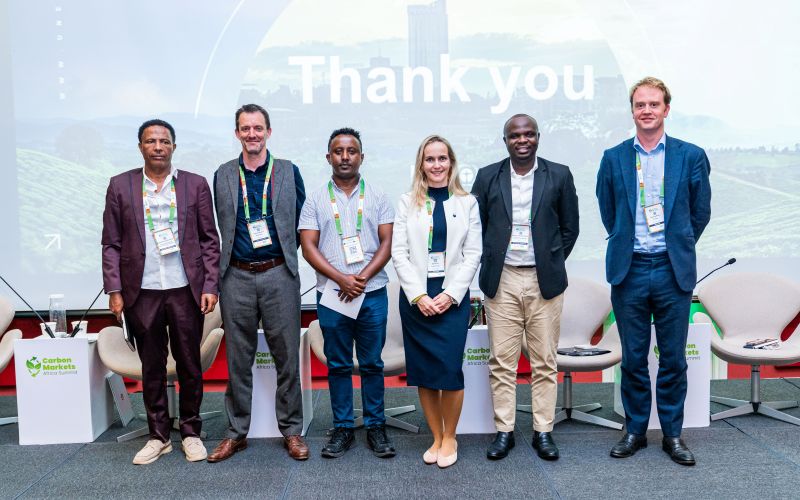
Thank you to VUKA for hosting us, to the Government and people of Rwanda for welcoming us to Kigali, to Sylvera, to Charlie Pool for moderating, and to every speaker who prepared something candid and concise.
The views expressed in this article are those of the author and do not necessarily reflect the views of the UN-REDD Programme, FAO, UNDP or UNEP..
Sources:
- UN Climate Change, first Article 6.4 issuance
- Carbon Pulse, Ethiopia first credits
- IATA at ICAO DGCA/61, CORSIA supply
- EDF, CORSIA at a crossroads
- EDF, Africa Rising: The Carbon Markets Africa Summit, 2026
- Africa.com, Africa shifts from carbon market potential to delivery as CMAS 2026 opens in Kigali
- DelAgua, From Dialogue to Demand