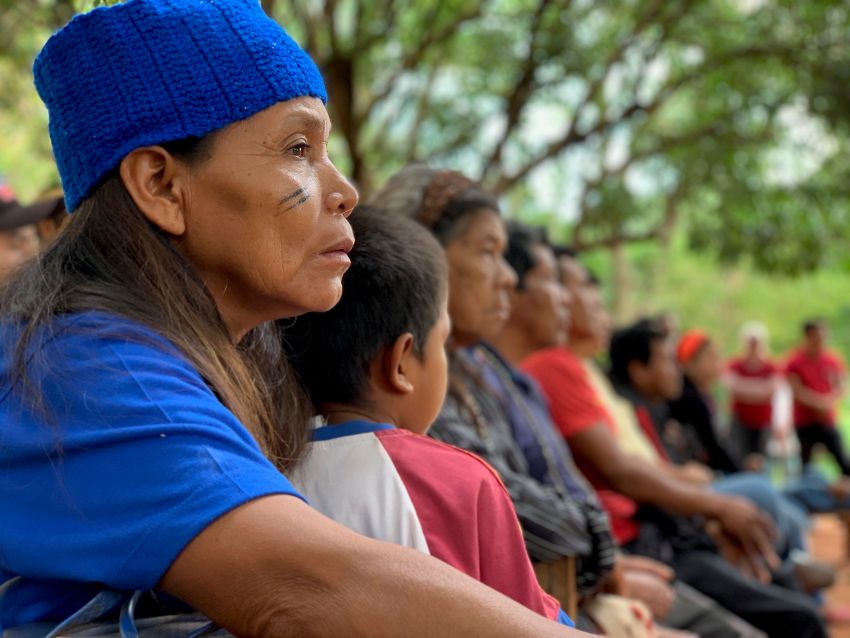
One of the greatest opportunities for advancing REDD+ action is already in front of us: the meaningful and equitable inclusion of women in forest conservation and climate action. Across forest landscapes, women play critical roles in protecting forests, restoring ecosystems, conserving biodiversity, and strengthening community resilience to climate change.
Yet despite their contributions, women often remain underrepresented in decision-making and face barriers to accessing resources, finance, training and leadership opportunities. As the UN-REDD Programme has seen firsthand in its support: when women are empowered to participate fully and equitably in REDD+ processes, forest management becomes more effective, restoration efforts are strengthened, communities become more resilient, and climate and conservation benefits are more sustainable over the long term.
Recognizing these benefits, the UN-REDD Programme views gender equality not only as a matter of fairness, but also as a key enabler of stronger outcomes for forests, communities and the climate. This is why gender equality has been one of the Programme's key cross-cutting themes over the past decade, embedded both in the support provided to countries and in the systems used to track progress on gender.
Since 2018, the Programme's Gender Marker Rating System has helped identify areas for improvement as well as good practices that can be replicated across countries. Through this system, the UN-REDD Programme found that 89%[1] of its activities in partner countries in 2025 integrated a gender perspective, including in highly technical areas of work.
Beyond measuring progress, the UN-REDD Gender Marker also helps surface practical examples of how gender-responsive approaches can strengthen REDD+ outcomes on the ground. As state and non-state stakeholders gather over the coming months at international conferences to discuss how to strengthen and undertake transformative climate action, the UN-REDD examples below can help to demonstrate how gender is a key piece to this work, transforming and catalyzing climate action on the ground.
Prioritizing Women’s Land Tenure Rights in the Republic of Congo
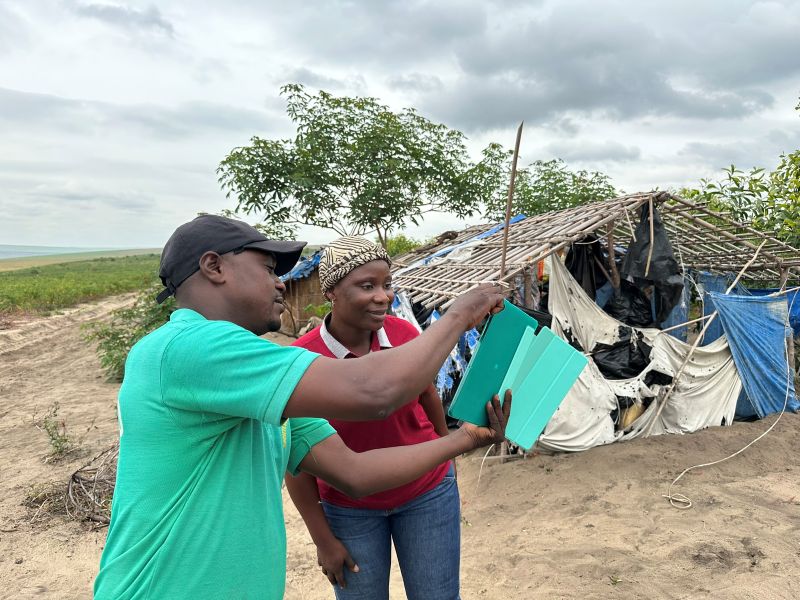
With backstopping support from the UN-REDD Programme, gender integration is a deliberate effort of a Green Climate Fund agroforestry project in the Republic of Congo (2021–2029).
Recognizing that traditional norms in Congo often restrict women's ability to secure land tenure despite their substantial contributions to agriculture, the project has prioritized women and Indigenous Peoples in land allocation to directly address long-standing inequalities.
This commitment is embedded in the tenure-recording process itself. FAO's Open Tenure tool, piloted with the project in October 2025, accommdates joint ownership, enabling men and women to hold rights equally rather than defaulting to single, typically male, ownership.
The resulting tenure rights reports which are signed by local authorities and retained by each beneficiary, provide documented recognition of women's land rights alongside men's, a meaningful shift in a context where women's access to secure tenure has historically lagged. Community input furr rflets the gendered dimensions of the project's benefits: interviews revealed that women farmers prioritize using future earnings for school fees, medical expenses, and clothing, while men emphasized fuel, rent, and water - underscoring how secure tenure and agroforestry income are expected to translate into distinct, gender-specific improvements in household wellbeing.
Closing the Gap: Peru's Climate Fund for Indigenous Women
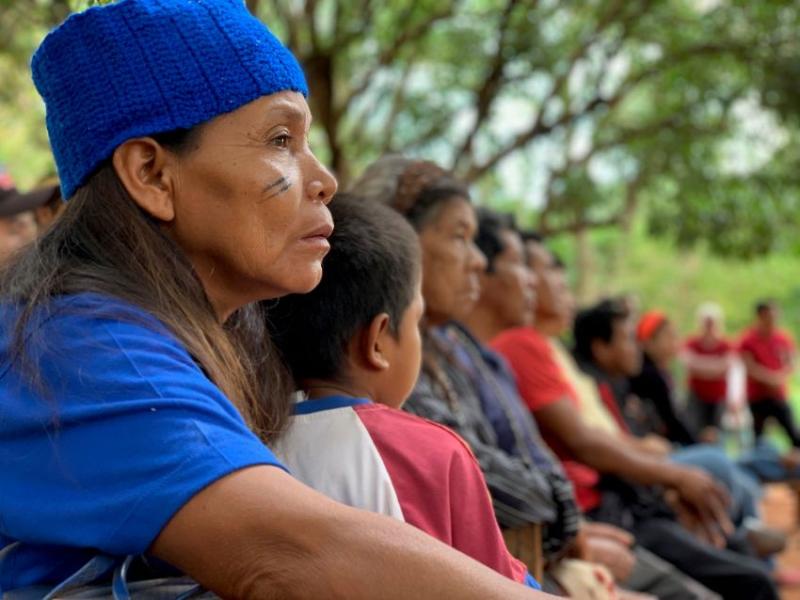
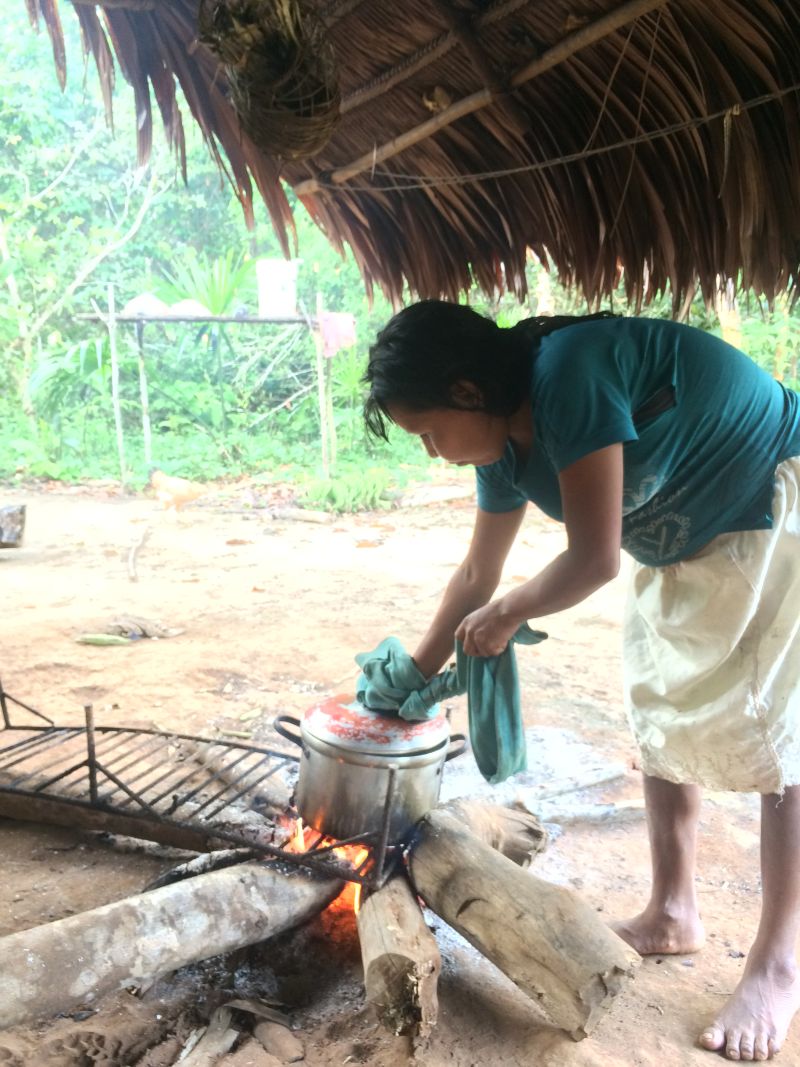
In Peru, as in much of the world, the effects of climate change can disproportionately affect women, and particularly Indigenous women, who often depend directly on territories and ecosystems affected by climate change while facing greater barriers to accessing financial resources for climate action and resilience.
Against this backdrop, Peru announced at UNFCCC COP28 its commitment to developing a mechanism to strengthen the financial inclusion of Indigenous women within the national climate agenda: the Climate Fund for Indigenous Women (FCMI, by its Spanish acronyms).
As part of the UN-REDD Programme support in Peru, the Ministry of Environment (MINAM) requested UNEP’s technical support for the development of the FCMI. In response to this request, UNEP supported MINAM during 2025 and 2026 in the conceptualization of the proposed Fund, bringing expertise on gender, climate finance, and financial inclusion.
The work was undertaken closely with MINAM and sought to ensure alignment with Peru’s climate commitments and complementarity with relevant national initiatives, mainly the Nationally Determined Contributions (NDC).
While still under development within MINAM, the FCMI is currently structured around two complementary components: financial literacy and non-reimbursable financing for climate action. These components are intended to reinforce one another by supporting Indigenous women to strengthen their capacities to formulate climate initiatives and access financing, while also providing resources for the implementation of eligible actions. Over time, this approach is expected to contribute to the development of stronger climate initiatives, including bankable projects that can access additional sources of financing in the future.
Promoting Women's Participation in Inclusive Forest Finance in Indonesia
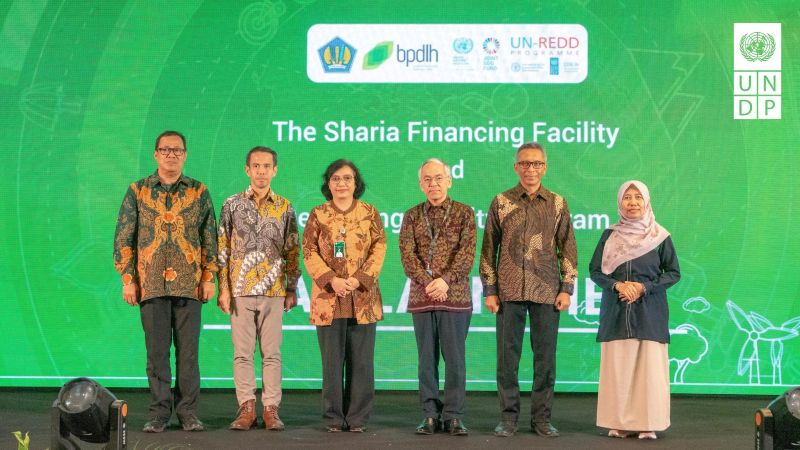
In 2025, the Indonesian Environment Fund (IEF), with support from the UN-REDD Programme through UNDP, launched a new ‘Sharia-compliant Revolving Fund Facility’ to support social forestry groups. The facility introduces a financing model rooted in Islamic financial principles—offering an interest-free, ethical alternative that many rural communities and cooperatives find more accessible and culturally aligned. Part of a broader effort to promote a more gender equitable, inclusive, and impactful environmental financing transformation for communities, the fund’s model, known as “deferred tree cutting loan,” allows borrowers to meet their financial needs without harvesting trees prematurely. Standing forests are preserved as long-term carbon assets while communities receive the support they need to pursue alternative income sources.
Addressing existing barriers faced by women in receiving and benefiting from credit and financial services, Sharia financing–related activities has focused on ensuring the equitable and active inclusion of women. Of the 259 direct beneficiaries reached in 2025, 33% were women.
In addition, women also comprised 78 of the 207 participants (38%) involved in technical consultations, focus group discussions, and meetings related to regulatory development, Sharia agreement design, intermediary preparation, dispute resolution mechanisms, and IT system development. The launch built on intensive preparation of internal regulations, engagement of Sharia advisors and the training of 59 field facilitators (7 women) to support implementation on the ground. Through the fund’s field engagement with KSPPS BMT UGT Nusantara in May 2025, women’s practical role in household-level financing processes were identified and highlighted, with women frequently attending socialization activities on behalf of their husbands who were unable to participate due to work commitments.
These initial experiences and observations have informed the work on Sharia-financing and its gender approach as well as its work on promoting women’s active and equitable participation in consultation processes. Gender mainstreaming work continues during the 2026 piloting as well.
As these innovative examples illustrate, gender equality in REDD+ isn't just about the right thing to do, it's one of the key effective ways to deliver stronger, more sustainable environmental outcomes for forests, to those who rely on them and the planet.
Through ever challenging times, the UN-REDD Programme remains committed to pushing the envelope to address deep-rooted gender inequalities and ensure that women are recognized, empowered, and supported as leaders in forest conservation and REDD+ action. Because when women lead and their voices are listened to, forests thrive, communities grow stronger, and climate action becomes more effective and enduring