
From Invisible to Investable
How the W+ Standard is Valuing Women's Contributions to Climate Action
Ask a climate project what it achieved and you will be handed a series of numbers: hectares restored, tonnes of carbon sequestered, species protected. Ask how the lives of rural and Indigenous women who’ve contributed to this restoration have been affected, and for most of the last decade the answer has been met with silence. Not because their contribution wasn't real, but because no one had built a way to measure it.
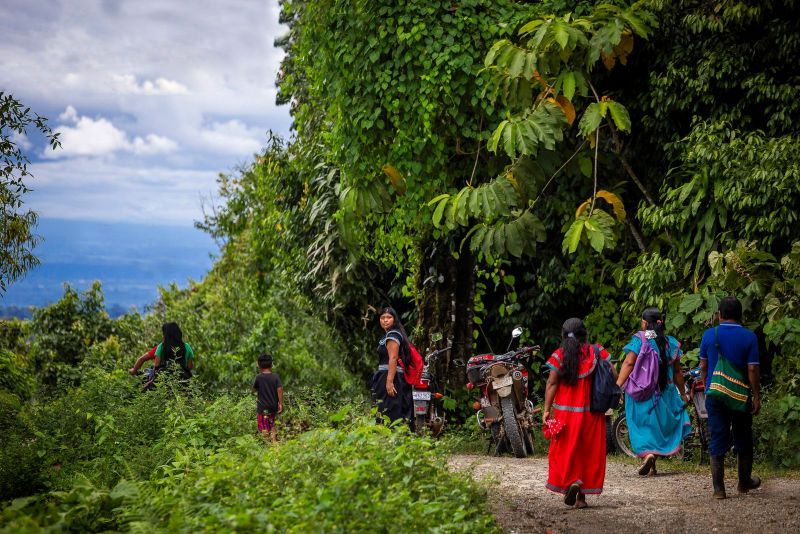
Photo credit: W+ Standard
Between 2019 and 2022, official development assistance for women’s rights organisations and movements and government institutions fell from $891 million to $631 million and continues to make up less than 1 percent of overall government spending. Most women-led groups never exceed $500,000 in funding, leaving them dependent on short grant cycles even as they carry out the long-term work of building climate resilience.
Part of the problem is that the contributions of rural women have been historically difficult to measure and value. When the social, economic, and environmental outcomes generated by women's participation and actions are not quantified, they remain largely invisible to markets and investors and consequently undervalued and underfunded. At the same time, demand for credible, traceable and durable ESG-aligned investments continues to grow, with investors increasingly seeking independently verified outcomes rather than narrative-based claims to reduce perceived risks to project outcomes or company reputations. Yet the supply of rigorously verified, gender-focused impact assets has remained thin.
The W+ Standard was built to close that gap. Developed by Women Organizing for Change in Agriculture and Natural Resource Management (WOCAN) in 2014 and recognized in 2016 with the UNFCCC's Momentum for Change: Women for Results award, it is the first global framework that measures, verifies and monetizes improvements in women's lives within climate and development projects.
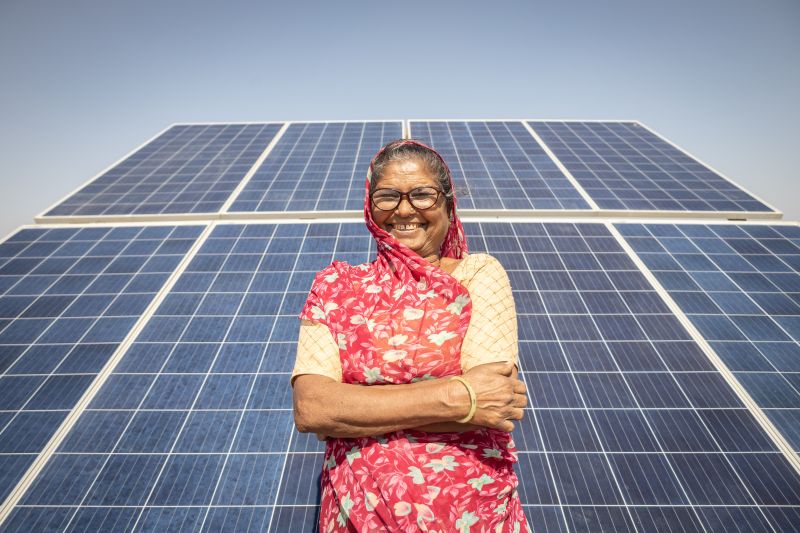
Photo credit: W+ Standard
By generating credible evidence of women's contributions and the benefits they create, the W+ Standard helps make visible the vital role rural and Indigenous women play as drivers of climate and forest solutions, while demonstrating that gender equality is not only a social objective but also a contributor to project sustainability, resilience, and long-term durability. Recognizing this potential, the application of the W+ Standard was supported by the UN-REDD Programme in Green Climate Fund-financed projects in Ghana and Costa Rica, and by CGAP/World Bank in a carbon project implemented by the Self Employed Women's Association (SEWA) and Value Network Ventures (VNV) in India. These three projects, one restoring shea parklands in northern Ghana, one paying communities for forest conservation in Costa Rica, and one on generating income from solar energy in India, show what this concept looks like in practice.
What is the W+ Standard?
The W+ Standard tracks change across six domains of women’s empowerment: time savings, income and assets, education and knowledge, leadership and decision-making, food security, and health and wellbeing.
A project chooses which of these domains it wants to measure, gathers baseline data on women's lives then compares that baseline against outcomes at the end of the monitoring period. One W+ credit represents a 10 percent improvement in one woman's life against that baseline, verified by an independent third-party W+ accredited verifier before it is issued and tradable.
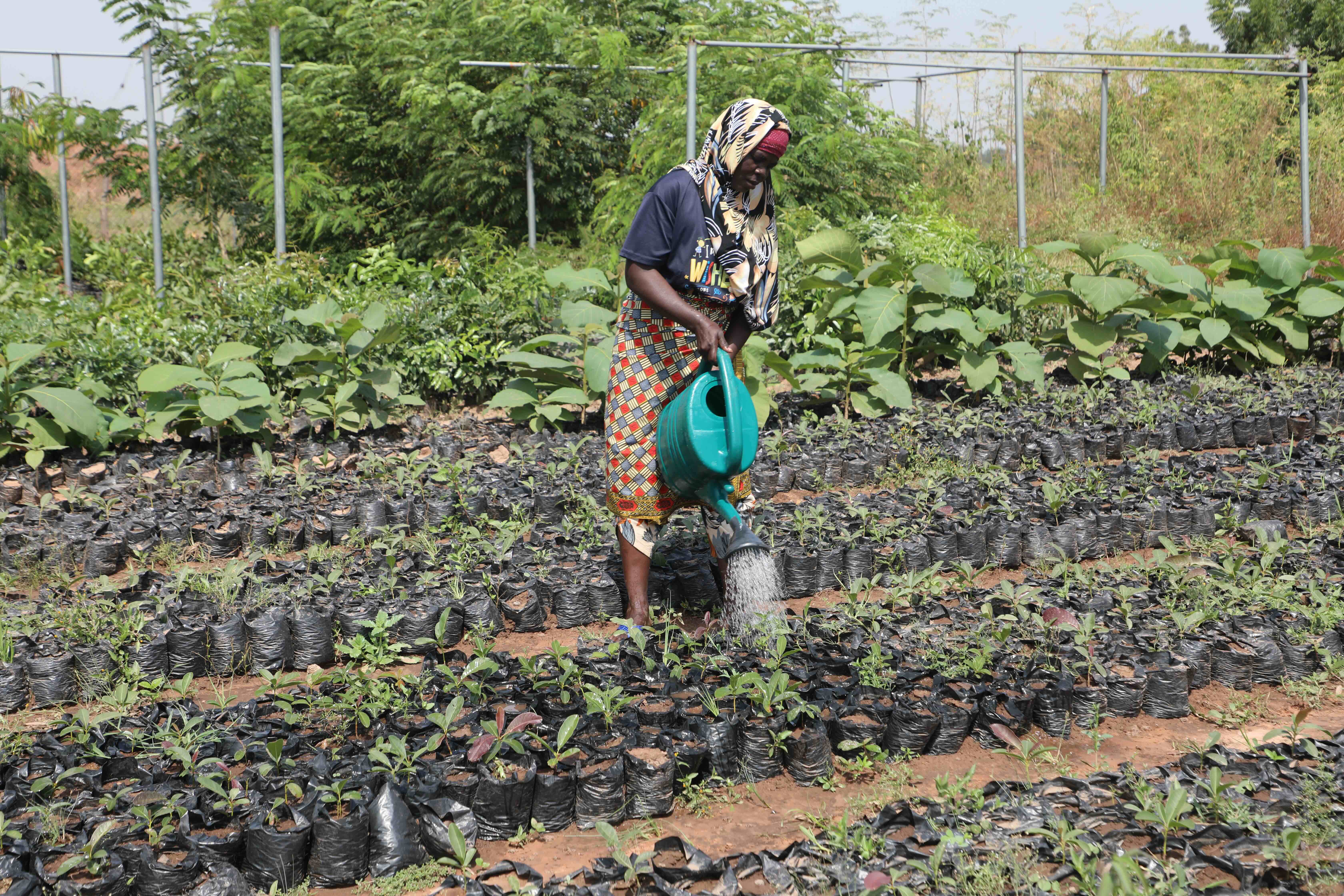
Photo credit: W+ Standard
What sets W+ apart from a standard corporate social responsibility program is what happens to the money: at least 20 percent of the revenue from every W+ credit sold flows directly back to the women's groups involved in the project, to be spent on whatever community and climate priorities the women themselves identify. Since its founding, the W+ Standard has issued $3.5 million worth of credits tied to verified improvements in the lives of more than 200,000 women across 25 projects in 14 countries, spanning Africa, Asia and Latin America, from shea cooperatives in Ghana to rural energy programs in Nepal and Cameroon and many more.
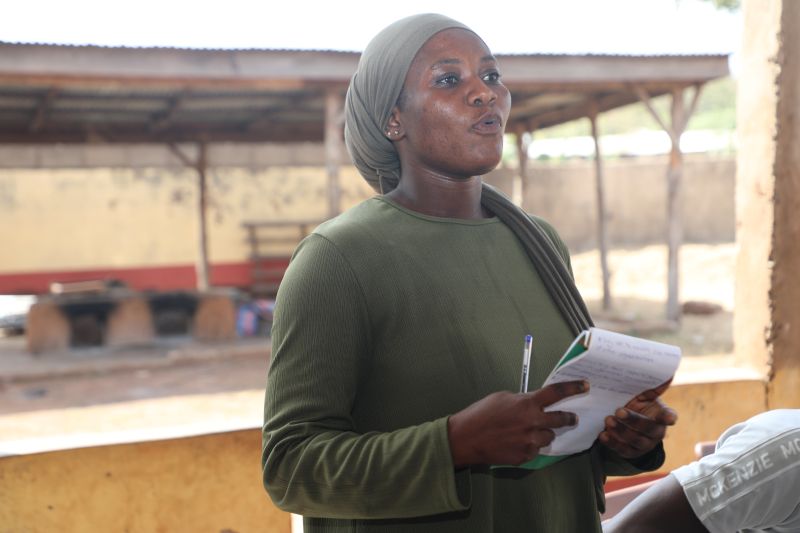
Photo credit: W+ Standard
Turning knowledge into income in Ghana's shea landscapes
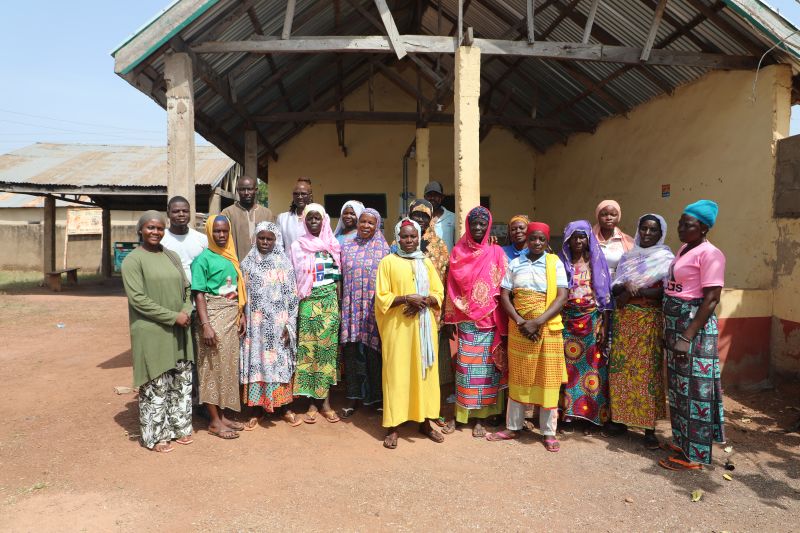
Photo credit: W+ Standard
The Ghana Shea Landscape Emission Reductions Project (GSLERP) is restoring degraded shea parkland across the country's north while rebuilding the livelihoods of the women who depend on it. Led by Ghana's Forestry Commission with the Global Shea Alliance and UNDP, and funded by the Green Climate Fund, the project has focused on three main areas: sustainable natural resource management, cooperative and entrepreneurial development, and improved shea processing techniques. It has trained more than 6,000 women in these skills, and with many thanks to the support of the UN-REDD Programme, since April 2025 it has become the first Green Climate Fund project to apply the W+ Standard, tracking gains in women's knowledge and income across the value chain.
In Ghana's shea landscapes, project training translated directly into higher incomes and sharper technical confidence. Through W+ Standard use, the project was able to verify that women’s confidence in explaining tree health rose from 20.3 percent to 83.8 percent, women’s incomes in Ghana’s Northern Region climbed 156 percent, and 91 percent of women surveyed reported an income increase overall, with most reinvesting it in their businesses, education and health rather than treating it as one-off relief. Barriers that once felt disqualifying, like self-doubt or fear of failing because of their gender, are now something most women describe as minor.
"It is important for the women to be involved because the income we get from these activities is used to take care of the children, their education, livelihoods, family matters, and more," says Hajia Rabiatu Abukari, director of Ripples Ghana, one of the project's implementing partners.
being.
Women's leadership in Costa Rica's forests
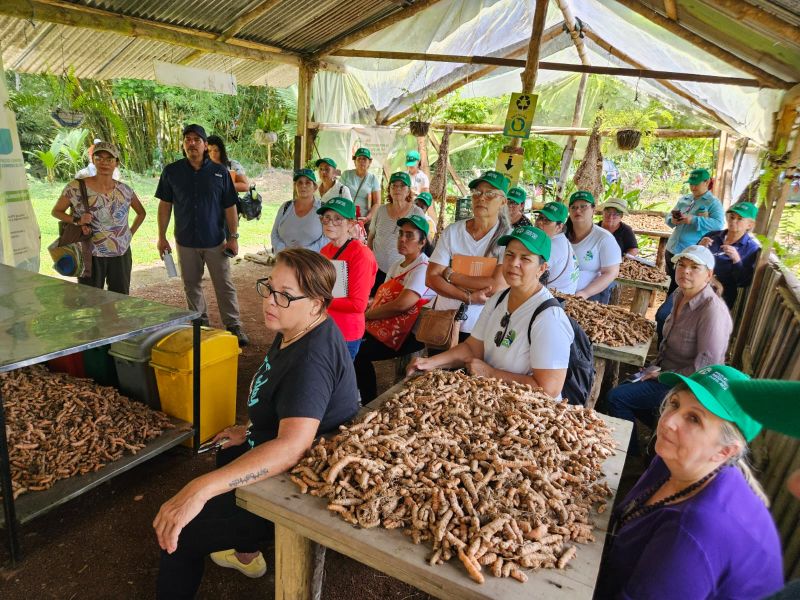
Photo credit: W+ Standard
Costa Rica's REDD+ Results-Based Payments project, backed by a $54.1 million Green Climate Fund grant tied to 14.7 million tonnes of CO2 equivalent removed between 2014 and 2015, has produced particularly strong women's leadership outcomes according to W+ verification results.
With the support from the UN-REDD Programme, the W+ Standard helped the project to demonstrate that it helped to improve women’s leadership by 173% from baseline conditions. These gains were grounded in differentiated strategies that responded to distinct starting points for rural and Indigenous women. Through collective spaces such as the National Forum of Rural Women and territorially embedded processes linked to the Territorial Forest Action Plans (PAFT), women enhanced their ability to mobilize others, navigate resistance, communicate across diverse interests, and influence organizational and governance outcomes. Post-project, most women reported feeling capable of communicating their ideas and vision, being recognized for their actions, and being trusted by their communities. Additionally, rural women reported the highest levels of self-confidence and community trust, at 95 percent and 86 percent respectively.
Much of the project’s gains in women’s leadership resulted from two key approaches. For rural women, leadership was strengthened through the National Forum of Rural Women, a collective space for peer exchange, policy engagement and coordinated action across territories. This was reinforced informally through peer networks, including WhatsApp groups, that helped women navigate the emotional demands of new leadership roles. "Unity, representation and collective strength," is how Ana Patricia Ruiz Cambronero describes what the forum gave women, creating political weight behind their issues that had previously gone unheard. Indigenous women, by contrast, strengthened leadership through a more relational and territorially embedded route, tied to development of Territorial Forest Action Plans and cultural mediation roles within their own communities. The process tied to the PAFTs enabled Indigenous women to engage in territorial planning processes, contribute their perspectives, and begin exercising leadership in spaces where they were previously underrepresented.
From diesel debt to solar income in Gujarat’s salt flats
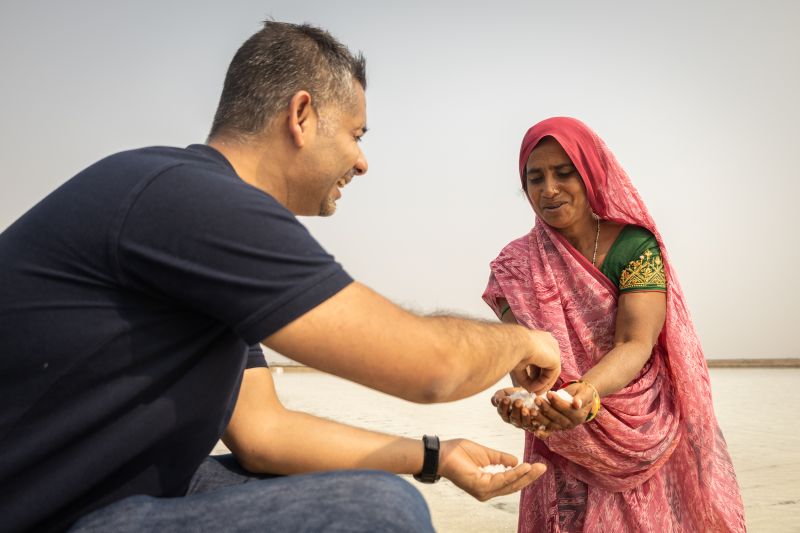
Photo credit: W+ Standard
In the Little Rann of Kutch, a 5,000-square-kilometer stretch of salt flats in Gujarat, more than 43,000 Agariya families spend eight months of the year producing India's salt in temperatures that regularly top 45°C. Women build the crystallization pans, harden them barefoot for weeks and run diesel pumps around the clock, labor long classified as unskilled even though the diesel those pumps required consumed more than 40 percent of a family's annual income and left many households cycling into new debt each season.
A financing partnership between SEWA Bank, the International Finance Corporation and Bank of Baroda replaced the diesel pumps with solar ones, registering both the loans and the equipment in women's names rather than their husbands'.
To verify that the switch was actually changing women's lives and not just their equipment, the project sought W+ certification against two domains, income and assets, and education and knowledge. The W+ independent verification confirmed what the numbers suggested: incomes rose by more than 240 percent, 97 percent of women reported proficiency running their new solar systems, and negotiating power with traders jumped from 6 percent to 93 percent, with 90 percent of the project's carbon revenue flowing directly back to the women who generated it. This SEWA/VNV project demonstrates how financial services can contribute to gender co-benefits and improve rural women’s livelihoods within carbon projects, as well as how rigorous certifications such as W+ can help projects more effectively measure these co-benefits.
"Earlier, men made all decisions about salt prices. Now, I negotiate with traders and talk directly. We fix the rate together, and they respect us," one participant said.
What gets counted, gets funded
As the world marks International Day of Rural Women, the experiences from Ghana, Costa Rica, and India offer an important reminder that rural and Indigenous women are not simply beneficiaries of climate action. They are among its architects, restoring landscapes, strengthening livelihoods, conserving forests, and building resilience in communities on the frontlines of climate change.
The W+ credits generated in all three countries can be sold on their own or combined with the carbon, biodiversity or water credits already flowing from the same landscape, creating a more complete picture of the value these projects generate. But the real significance of W+ goes beyond the credit itself.
By providing a rigorous way to measure, verify, and value women's contributions, the W+ Standard is helping make visible what has too often remained overlooked in climate and development finance and opening new pathways for investment in the social, economic, and environmental outcomes women help deliver.
This International Day of Rural Women, the imperative challenge is not only to recognize women's contributions, but to ensure they are counted, rewarded, and financed as an essential part of climate and development solutions.
Story written by UN-REDD Gender Team with contributions from the W+ Standard