
Data That Delivers
W+ Standard illuminates how women’s empowerment fuels forest & livelihood gains
Women play a crucial role in their communities and for nature. On International Women’s Day, we, at UN-REDD, are celebrating women’s achievements in providing for their families and protecting ecosystems. We strive to ensure women’s invaluable role in forest conservation is acknowledged and that associated REDD+ action, benefits and decision making meaningfully and equitably involve them and listen to their voices.
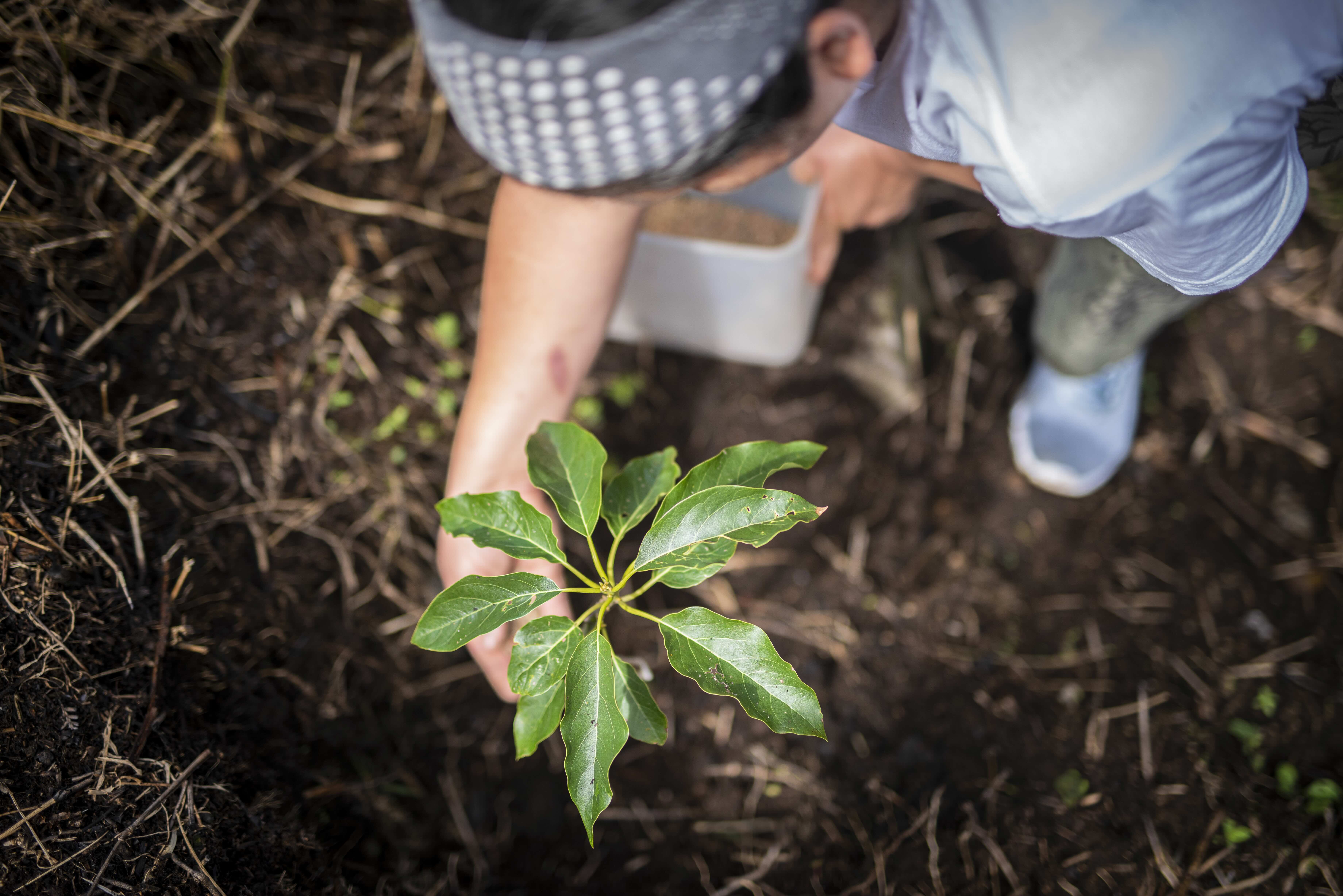
A woman attending to a tree in Costa Rica (Photo credit: UNDP Climate & Forests Team )
To elevate recognition of women as drivers of successful REDD+ action, the UN-REDD Programme has piloted the use of the W+ Standard within two Green Climate Fund financed REDD+ projects in Ghana and Costa Rica. With strong gender and women’s empowerment approaches already embedded in these projects, these projects are well placed to apply the W+ Standard, the first and only global certification framework that measures, verifies, and monetizes women’s empowerment outcomes in climate and development projects.
Despite deep-rooted social and gender inequalities which continue to persist and influence access to land, forests and other resources.
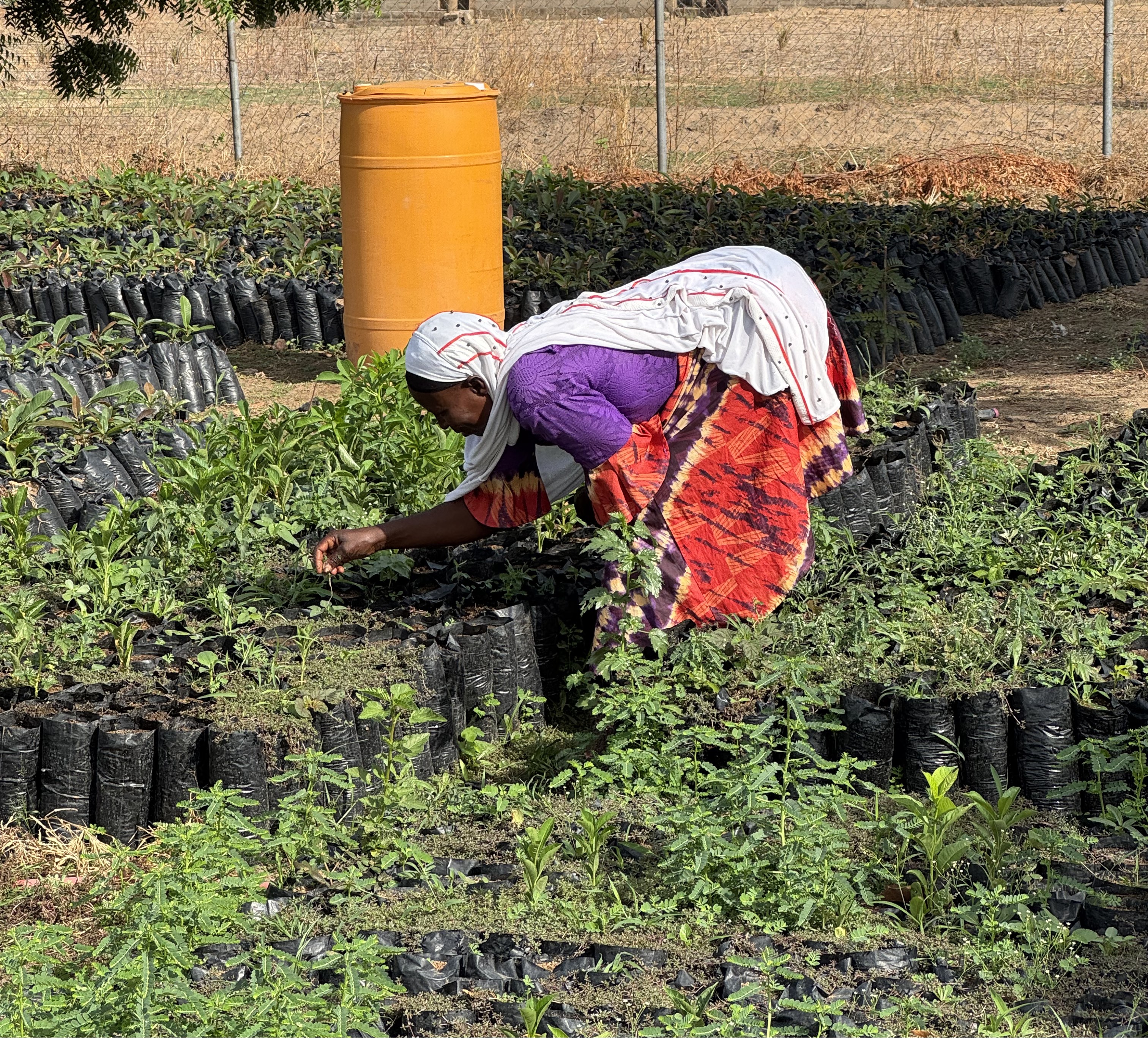
A woman working within a shea nursery with shea seedlings in Ghana (Photo credit: Ghana W+ Standard)
The UN-REDD Programme has seen and experienced first-hand in its support how women are key agents of change in forest protection. Their equitable and meaningful involvement in REDD+ policies and financial mechanisms – both as partners in REDD+ action and as beneficiaries of financial flows – is vital to the success of REDD+.
UN‑REDD also recognizes the power of data to shift the narrative around women’s often undervalued contributions into visible, measurable, and investable results within REDD+ action. It also sees the ongoing need for robust, quantifiable data on women’s empowerment, as women’s roles in forest management too often remain anecdotal—leaving their contributions overlooked and under-resourced. W+ Standard provided UN-REDD with an opportunity to help address this ongoing gap.
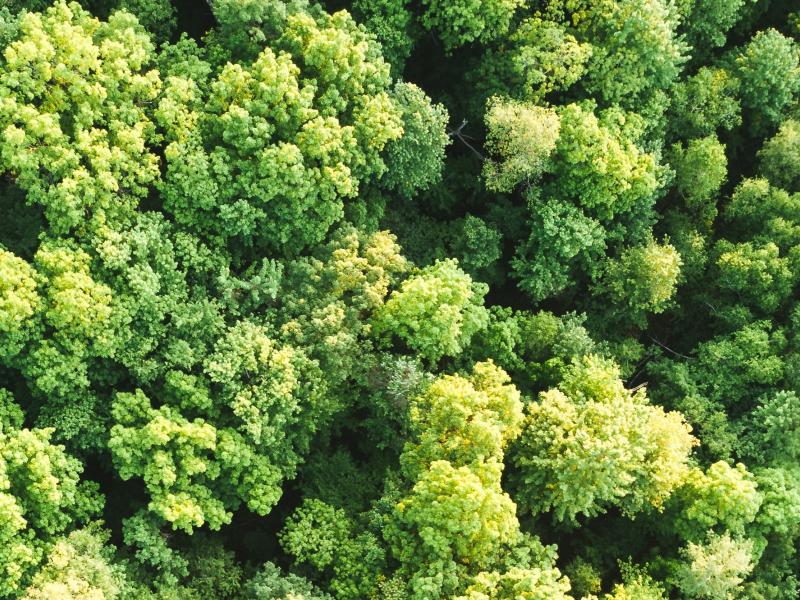
Developed by WOCAN, the W+ Standard provides a transparent, quantifiable way to demonstrate how projects improve women’s lives across key empowerment domains, generating robust and credible data showing how women’s empowerment directly drives stronger climate, forest, and livelihood outcomes.
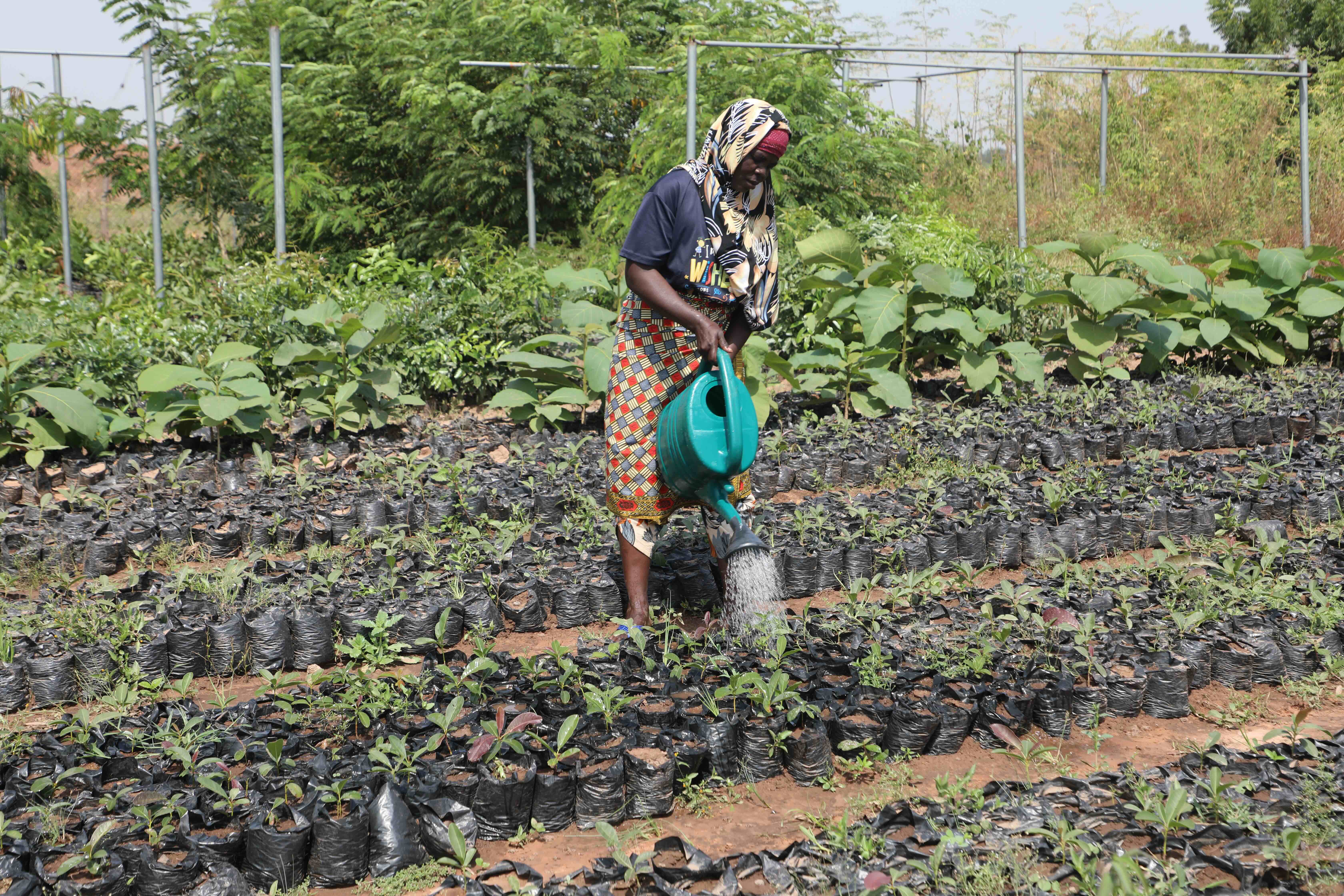
A woman working within a shea nursery with shea seedlings in Ghana (Photo credit: Global Shea Alliance)
It also requires project implementers to allocate at least 20% of revenues from W+ unit sales directly to women in the project area, ensuring they are tangibly rewarded and empowered through shared control of the benefits.
The W+ results in Ghana and Costa Rica reveal results of women who lead, grow, and drive progress toward a more equitable and sustainable future.
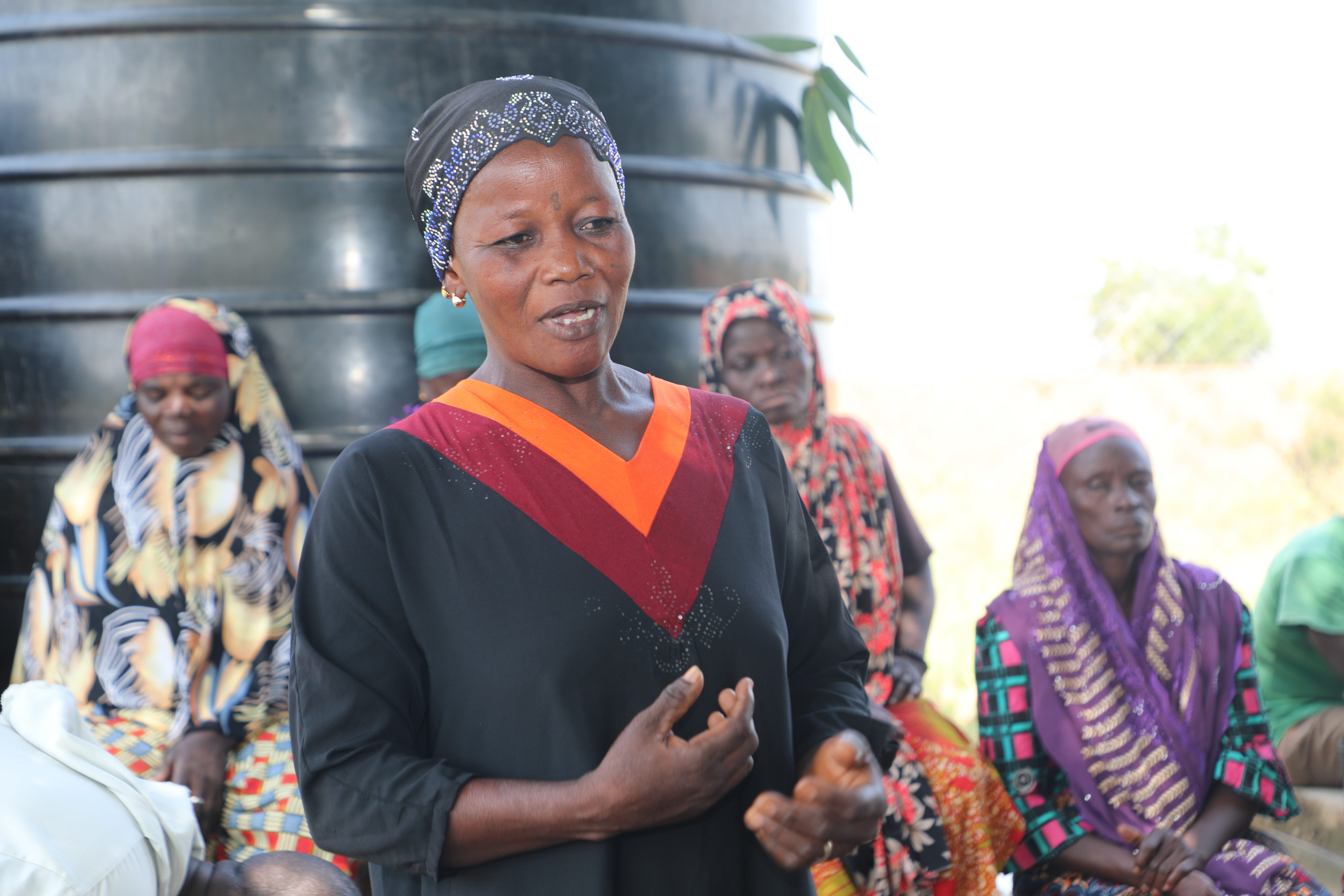
A focus group discussion with women of shea cooperatives in Ghana (Photo credit: Global Shea Alliance)
Ghana
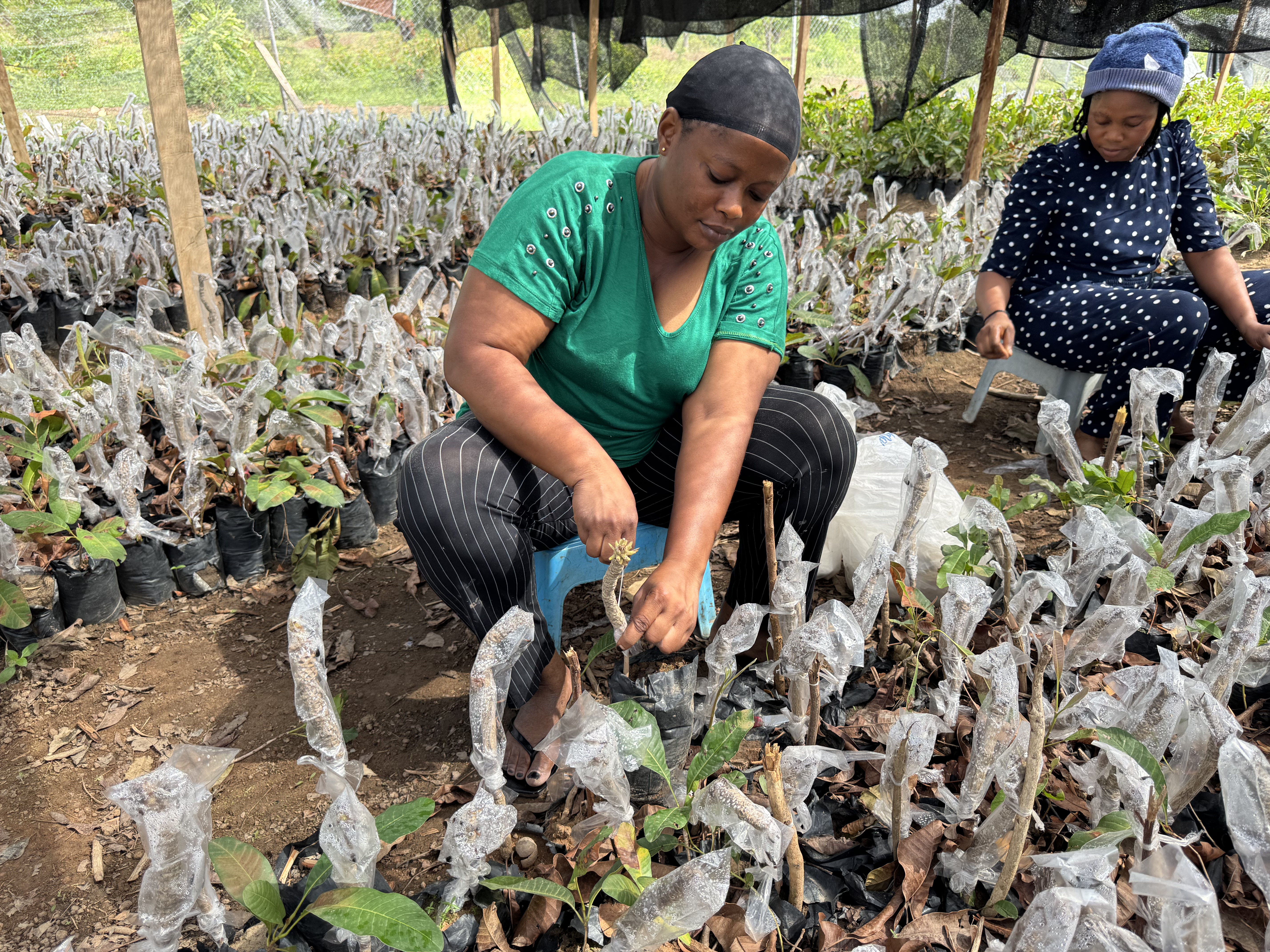
A woman working within a shea nursery with shea seedlings in Ghana (Photo credit: W+ Standard)
To illustrate, in Ghana, the W+ Standard was applied within shea parkland restoration activities and identified significant improvements for over 6,000 women. Under these project activities, women are restoring land, strengthening cooperatives, accessing international markets, and increasing incomes through higher-value products. Their work is not only changing landscapes—it’s also creating positive impacts in women’s empowerment, livelihoods and well-being.
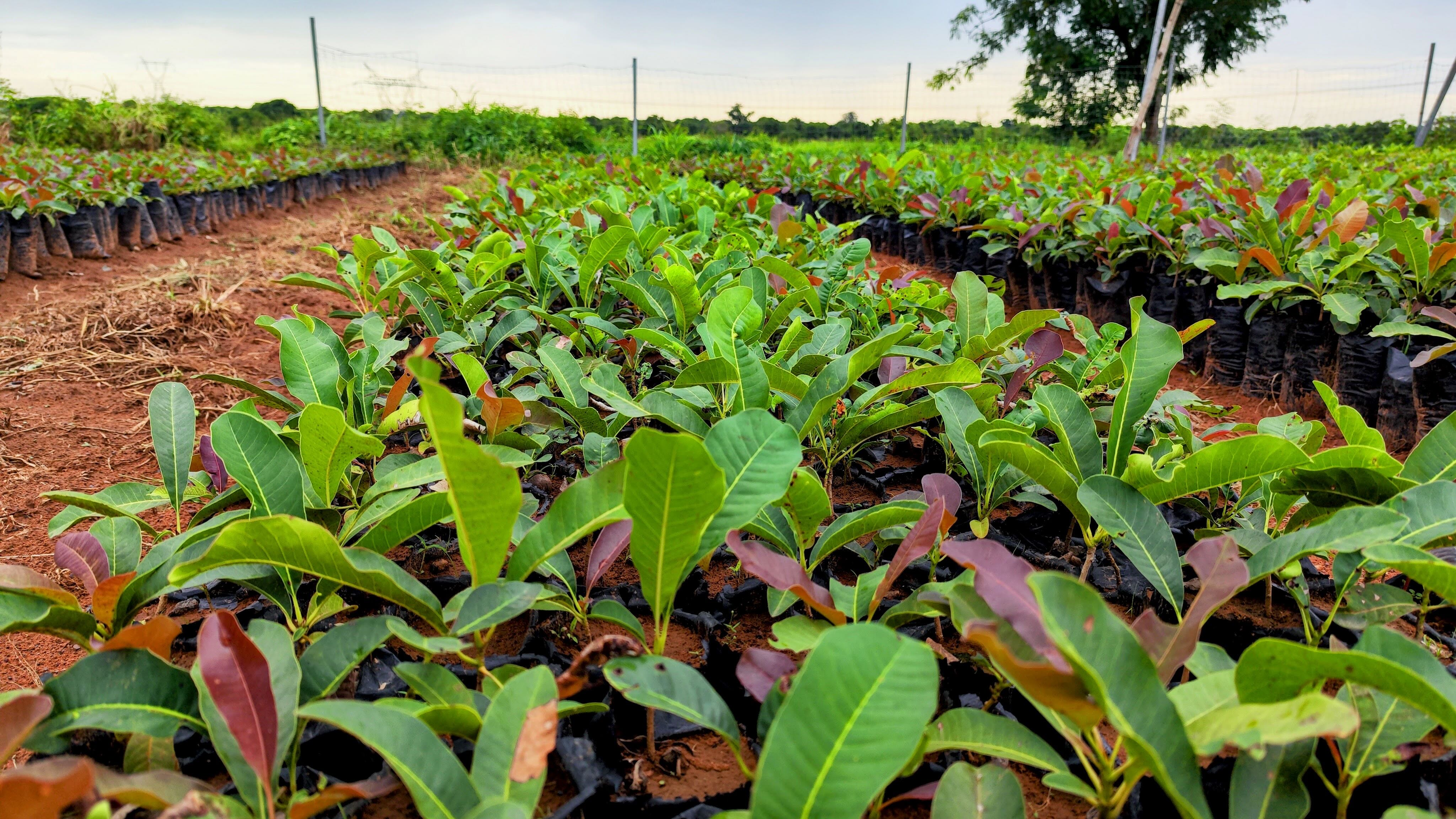
Young shea tree seedlings (Photo credit: Global Shea Alliance)
W+ results revealed that women’s membership in cooperatives has strengthened unity and collective confidence, enabling them to act together, assert their value, and engage more effectively with buyers and markets. Over nine in 10 surveyed women reported income increases, where top uses of additional income included consumption goods, education and health care. Moreover, more than half of the surveyed women reinvested in their businesses, indicating a thoughtful balance between welfare and the productive use of funds.
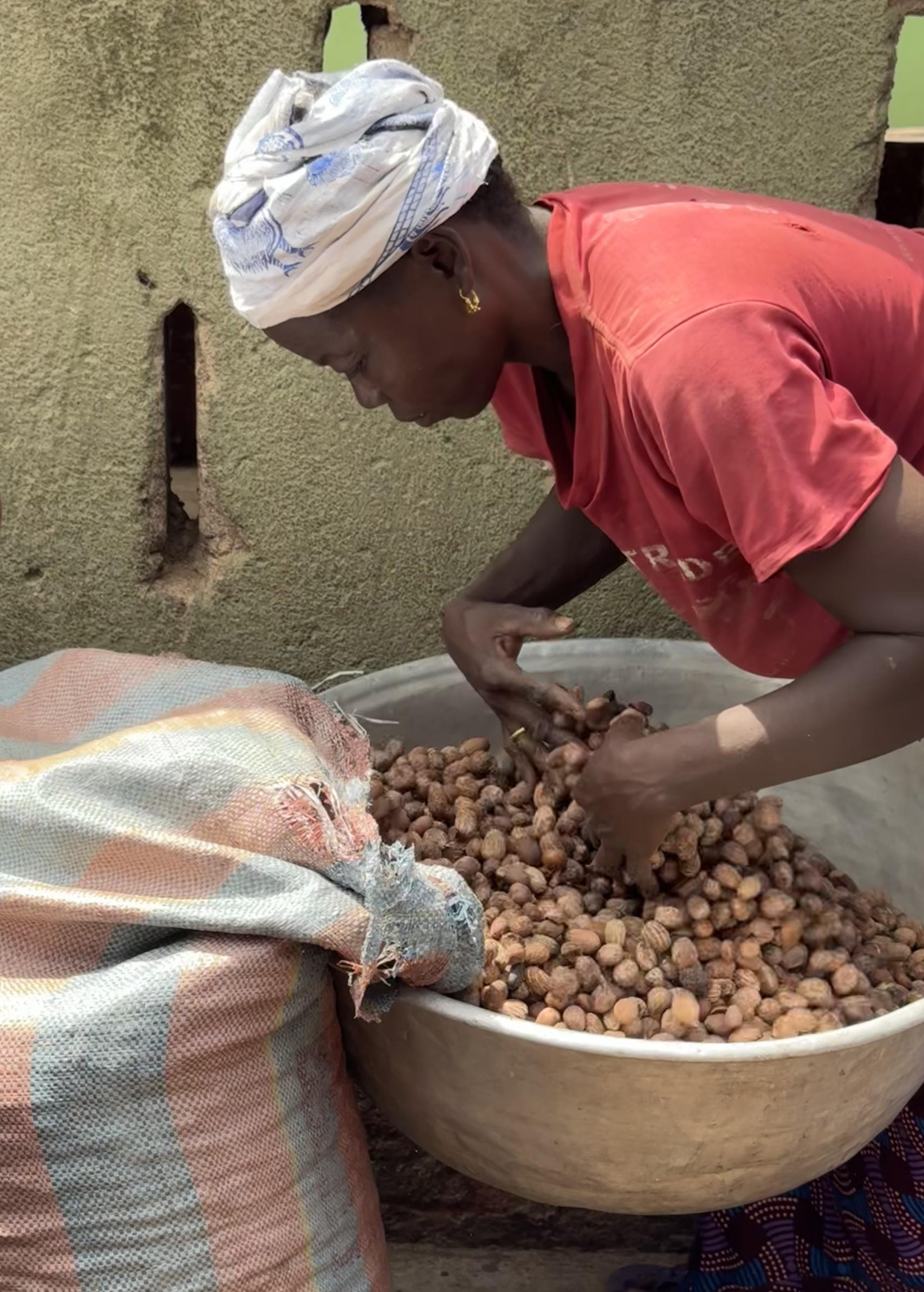
A woman collecting the shea kernels from storage sacks in Ghana (Photo credit: W+ Standard)
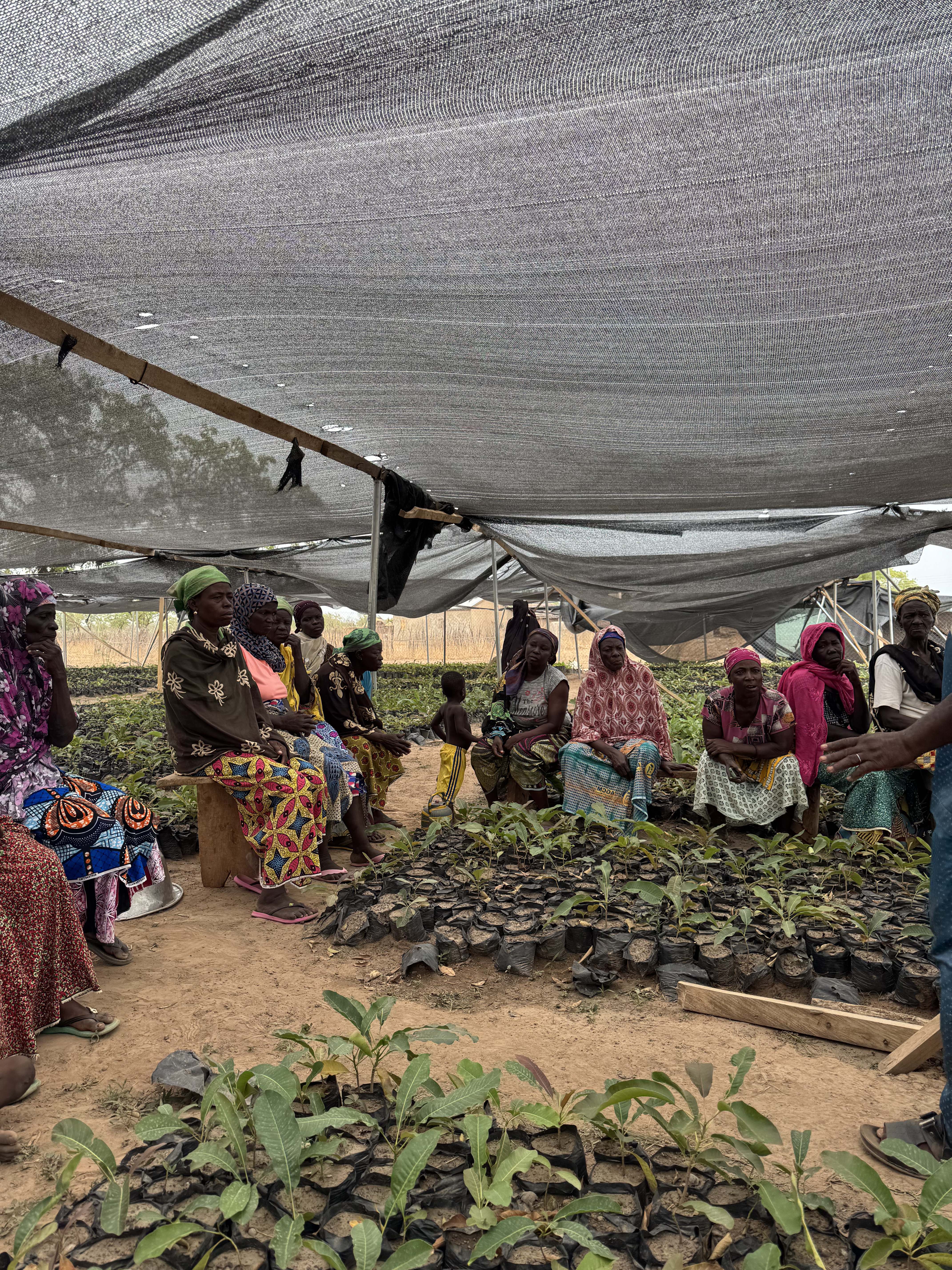
Training sessions with women learning new skills on shea cropping in Ghana (Photo credit: W+ Standard)
Just as significant as these numbers, are the perspectives of the women behind them. A woman beneficiary of Suguru Nye Boobu Cooperative reflected, “I now save up to GHS 200 per month through the VSLAs, [village savings and loans association] compared to nothing before. With these earnings, I can pay my children’s school fees, buy new clothes, and hire ploughing services.”
Another woman beneficiary highlights, “we now feel confident in our production skills and believe we can compete with any producer in the market. We have improved skills to consistently produce high-quality shea butter. Even if our packaging is not yet as advanced as some products on the market, the quality of our butter is unmatched.”
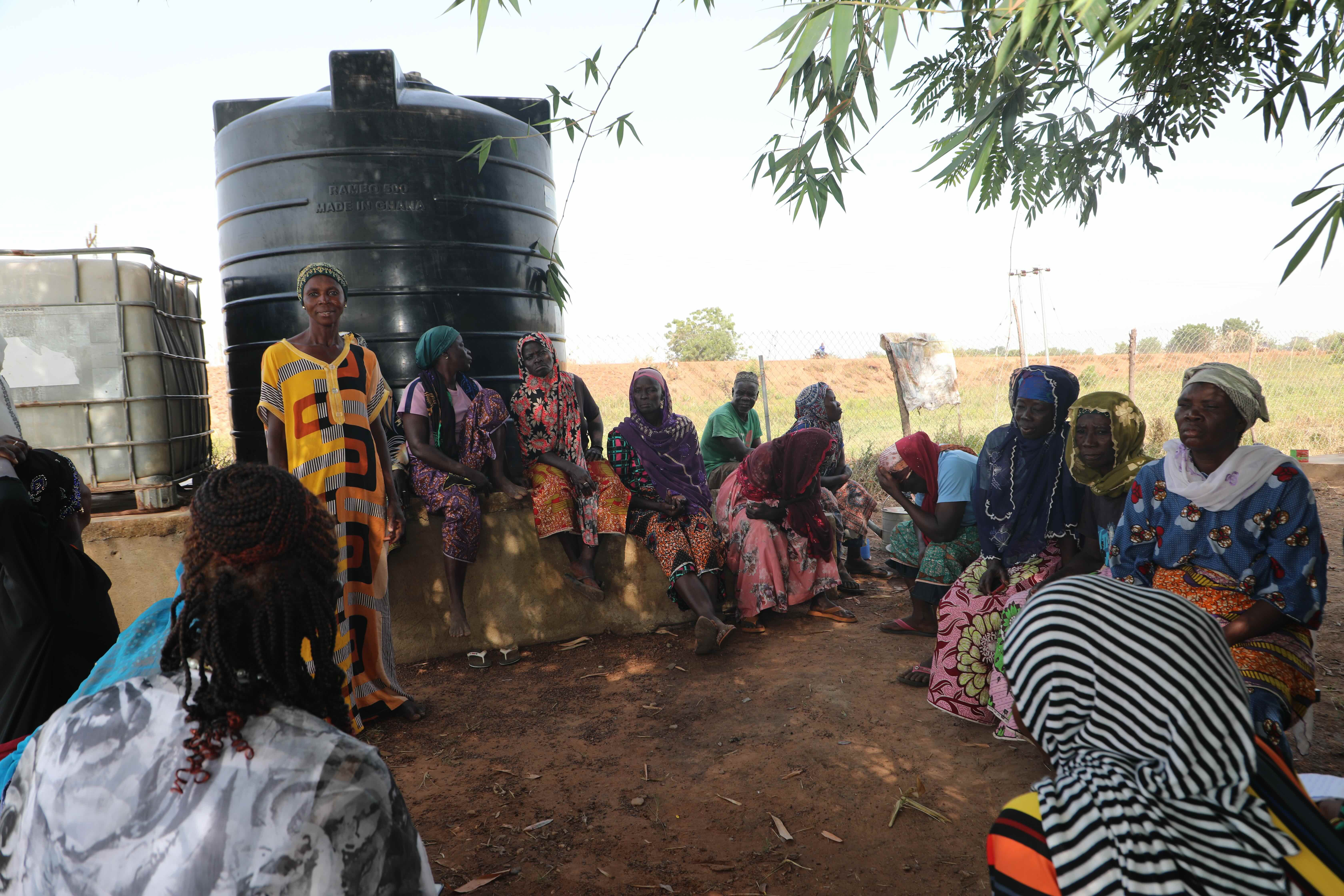
A focus group discussion with women of shea cooperatives in Ghana (Photo credit: Global Shea Alliance)
Costa Rica
In Costa Rica, the W+ results are just as inspiring. They showed that project efforts on a National Forum of Rural Women and development of environmental, forestal, and territorial plans (EFTPs) for the country's Indigenous Peoples led to significant gains in women’s leadership, agency, and influence.
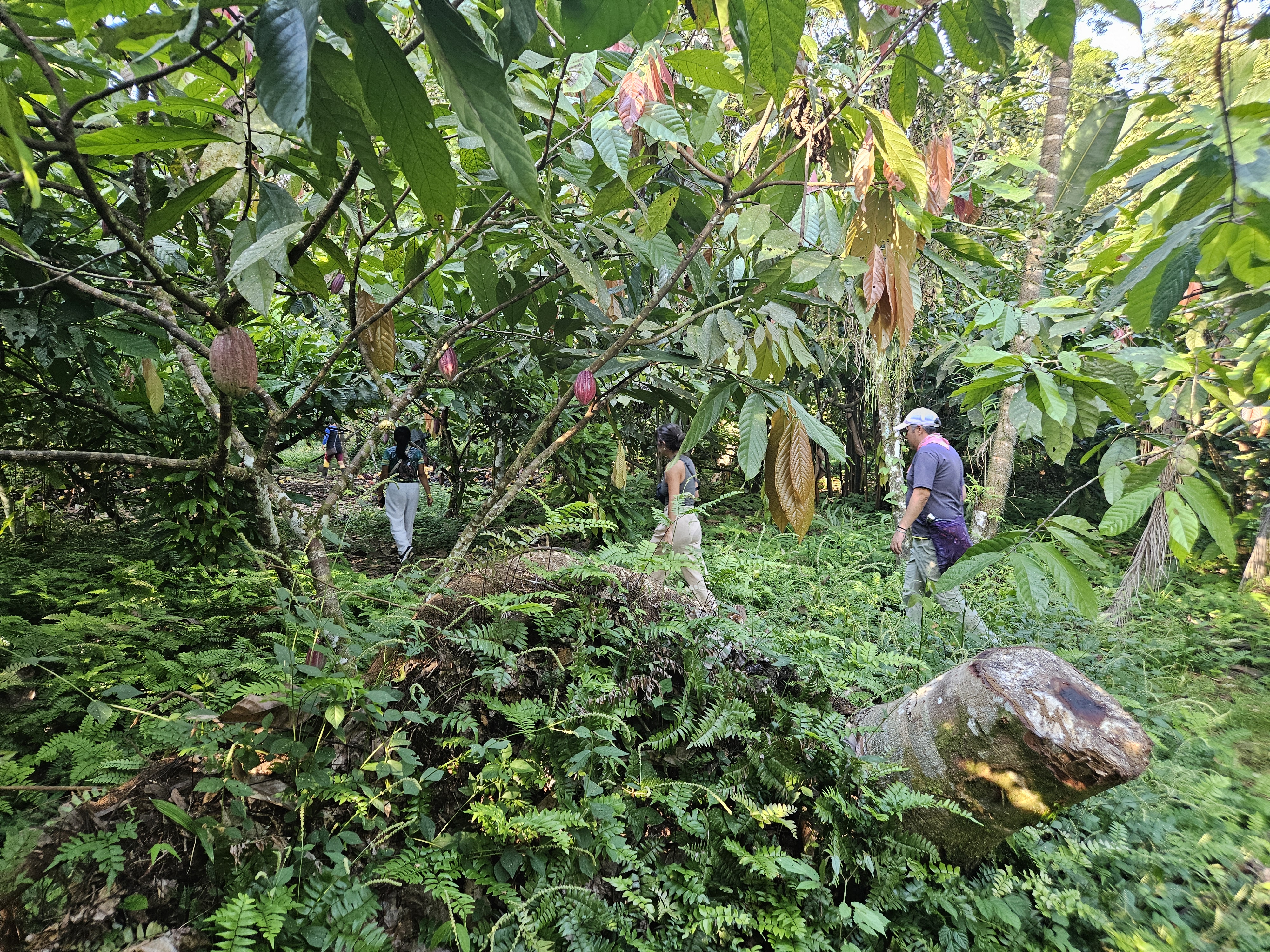
W+ field visit in Costa Rica (Photo credit: Nielsen Pérez)
For example, the project significantly advanced inclusive decision-making by addressing and reducing gender-, ethnicity-, and class-based exclusion. Prior to the project, 56% of women surveyed identified this exclusion as “most challenging,” with rural women reporting particularly high levels (68%). Post-project, only 7% of women surveyed rated it as “most challenging,” and many responses moved into intermediate or lower challenge categories. This suggests that while exclusionary dynamics persist, women increasingly perceive themselves as having tools, legitimacy, or collective backing to contest or navigate these practices.
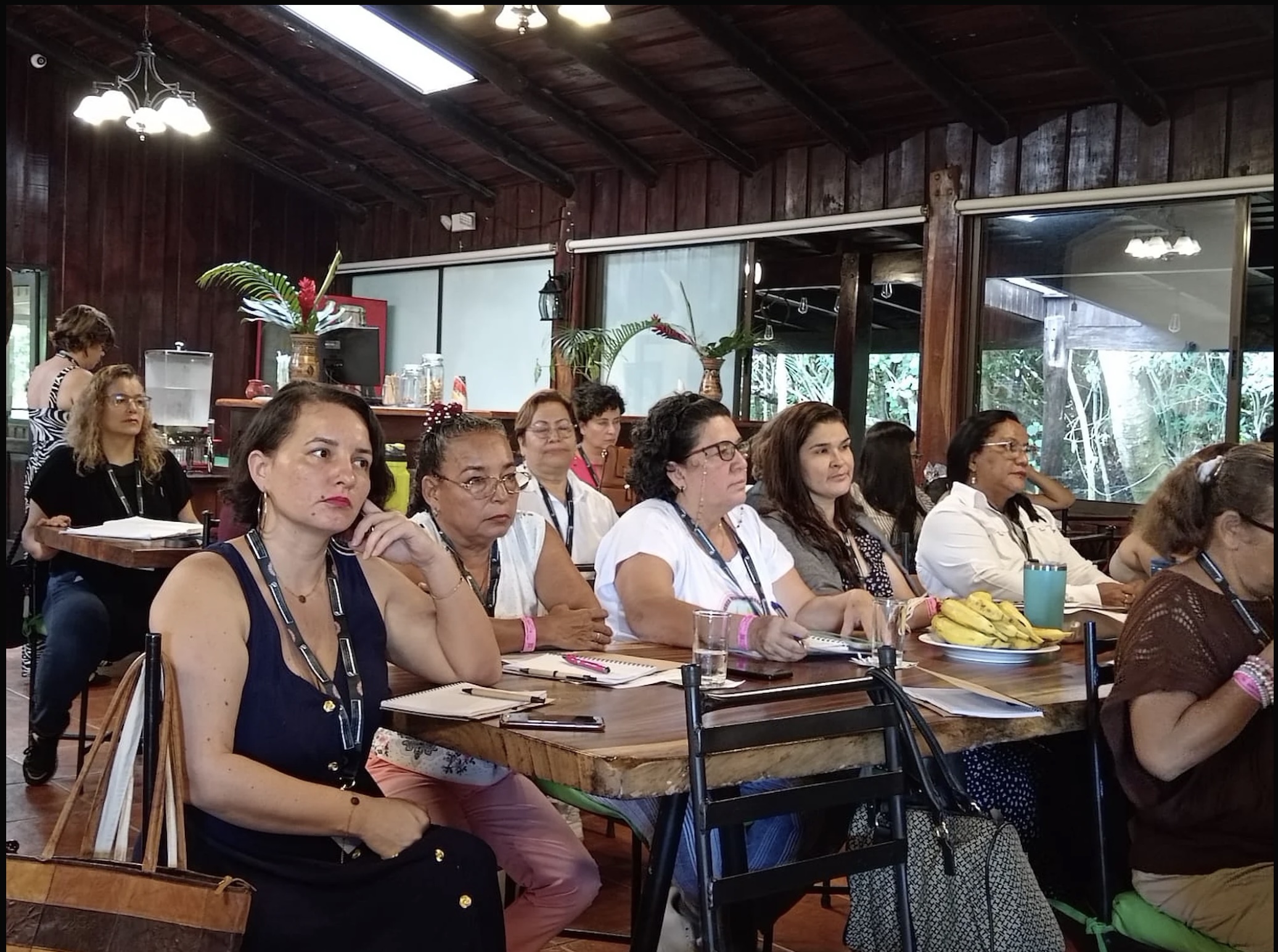
W+ focus group discussion with Indigenous and rural women in Costa Rica (Photo credit: Nielsen Pérez)
Again, the women’s voices behind this data speak louder than the number themselves.
Ana Patricia Ruiz Cambronero, from the National Forum of Rural Women noted, "the National Forum of Rural Women has given us unity, representation and collective strength. Before, women worked in isolation, but now we have a national space that defends our demands, coordinates with institutions and opens doors on issues such as water, land, care, the rural economy, and conservation.
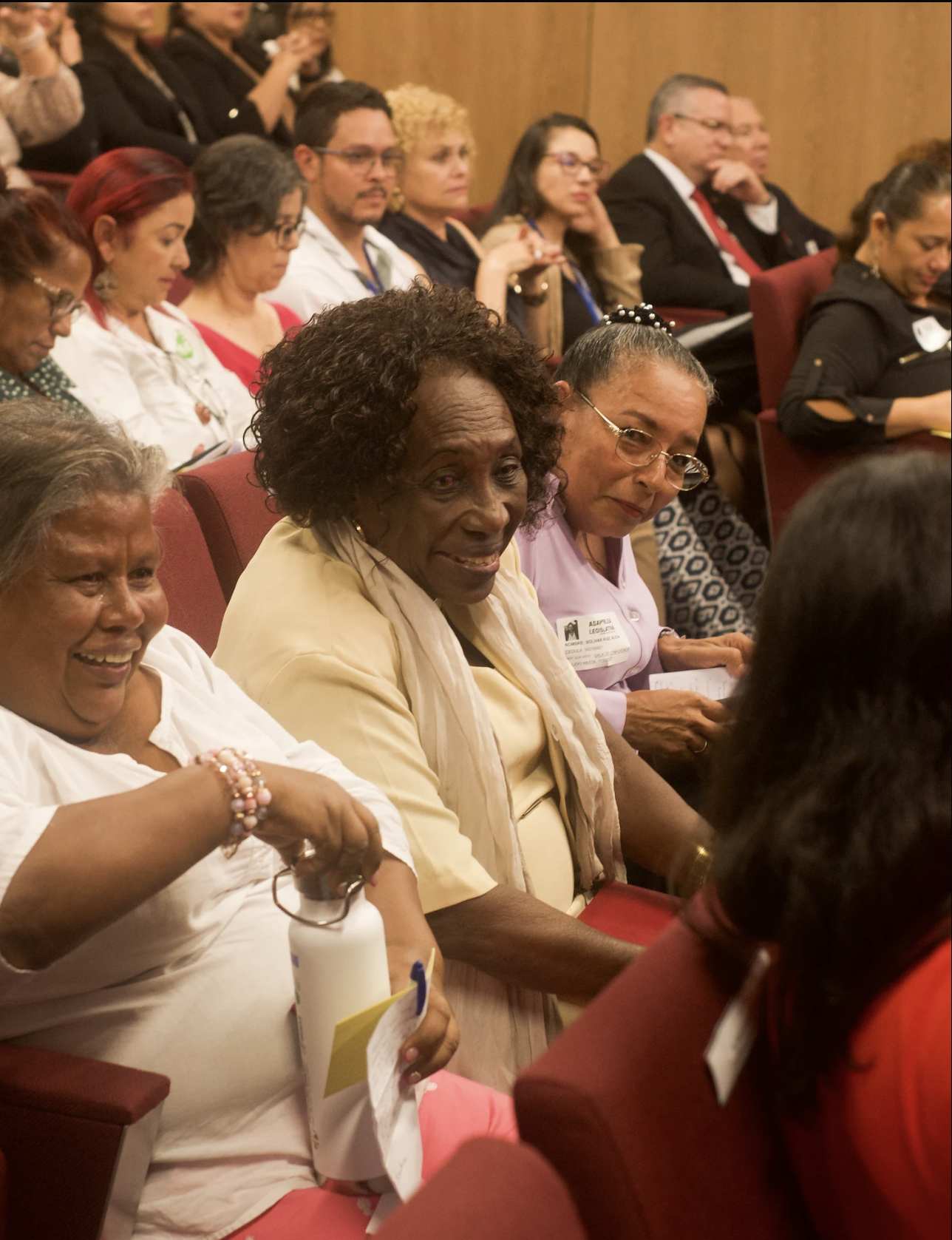
It has given our realities (from drought to care and production) political weight. It has also been a space for us to care for ourselves, train ourselves, and sustain leadership that is born with few resources but with a lot of willpower."
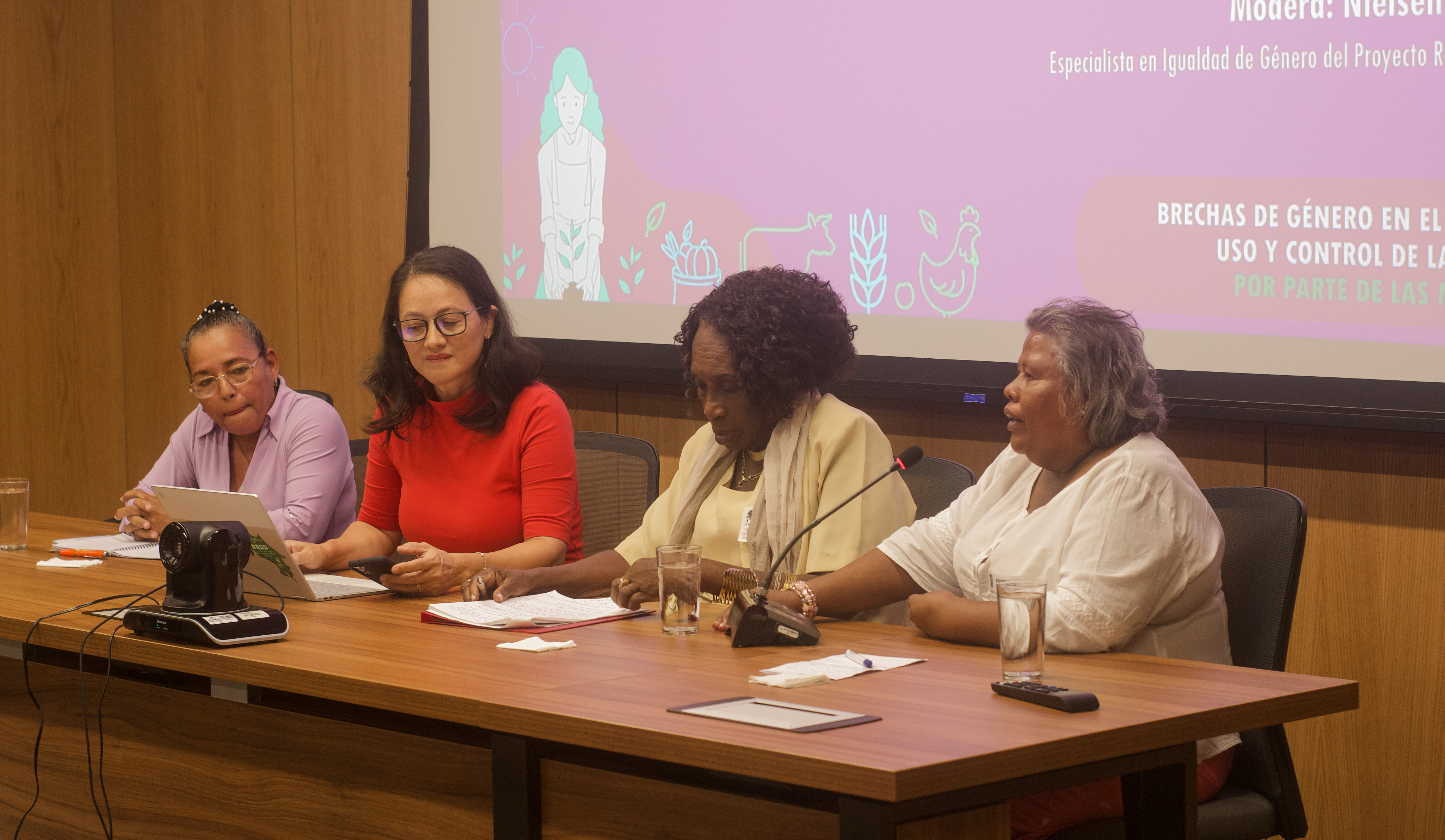
In connection to project activities on the National Forum of Rural Women, a meeting on the Land for Women Act in Costa Rica
Photo credit: Nielsen Pérez, Maricela Venegas and Glomara Iglesias
Reflecting on the experience of developing the EFTP on the Indigenous territory of Bajo Chirripó, Luz Tapia Aguilar highlights, “In the case of women, we have undergone very valuable processes that have allowed us to get to know women from different places and strengthen projects led by women. For us, it has been a very meaningful experience, as the project has supported our culture, our economy and our daily lives.”
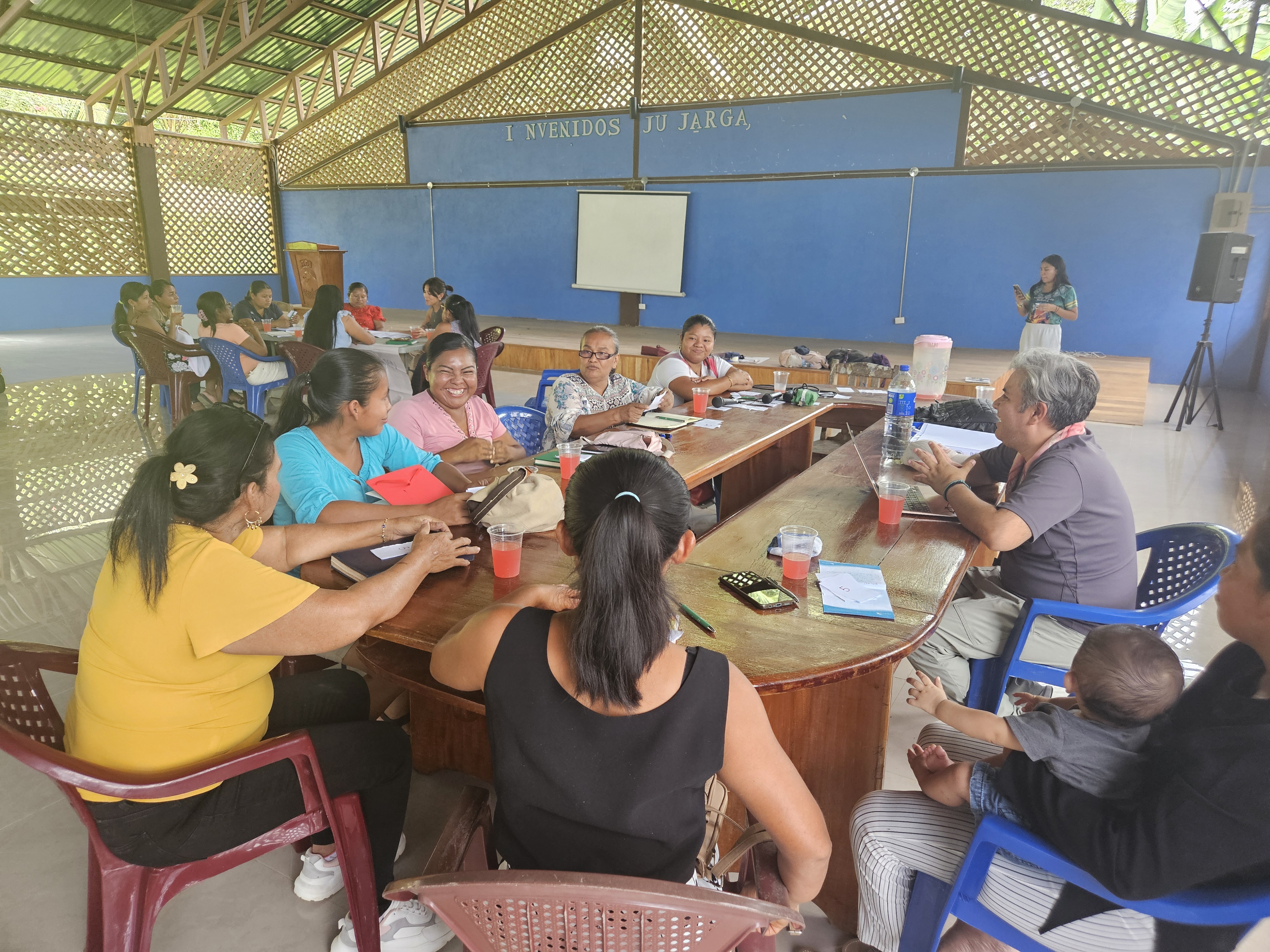
W+ focus group discussion with Indigenous and rural women in Costa Rica (Photo credit: Nielsen Pérez)
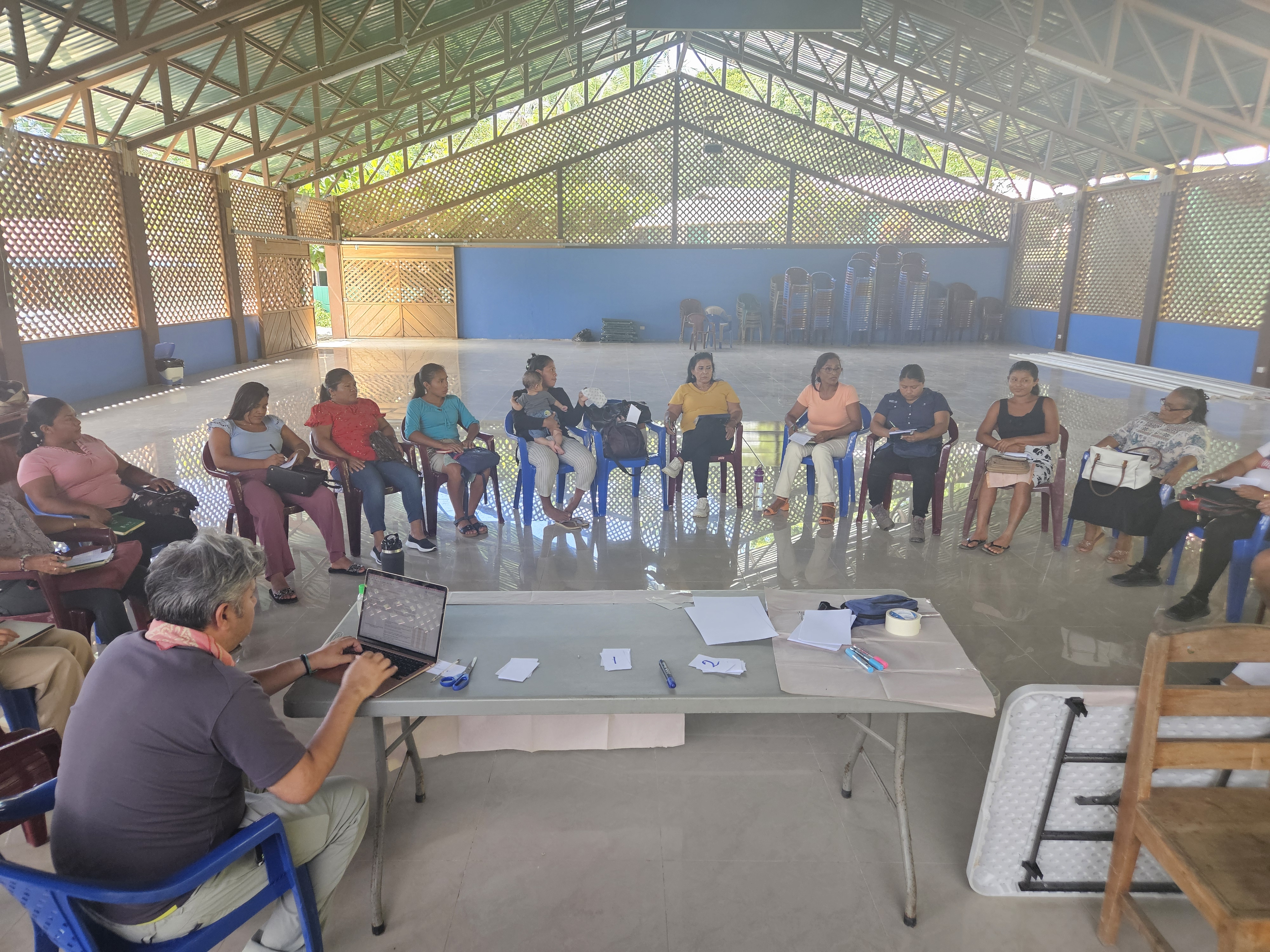
W+ focus group discussion with Indigenous and rural women in Costa Rica (Photo credit: Nielsen Pérez)
W+ has helped UN-REDD to contribute to the deepening recognition of women not just as beneficiaries but as drivers of climate and forest solutions, reinforcing their leadership and rights within REDD+ and other nature-based programs.
Through these W+ pilot efforts in both Ghana and Costa Rica, on International Women’s Day, UN‑REDD, seeks to advance “Rights. Justice. Action. For ALL Women and Girls”. Demonstrating women’s contributions in REDD+ not only helps to strengthen efforts to curb forest loss but also advance justice by ensuring women’s rights and fair benefits, and recognition of their essential roles in forest protection. All a necessity in the fight to make the world a healthier and more resilient place.
To learn more about these W+ projects, including on how to purchase W+ units, please visit W+ Standard at https://www.wplus.org/w-projects/projects?type=Certified.
Story written by Elizabeth Eggerts (UNDP), with contributions from Amanda Bradley (FAO) and Efrian Muharrom (UNEP)