Sharing the benefits of forest emissions reductions in Ghana
A story of innovation, inclusion, and collective action story
Ghana continues to chart an ambitious path in forest conservation and management by building on experience with benefit sharing in the Cocoa Forest REDD+ Programme in the high forest zone. This path places communities, fairness, and innovation at its core.
Through the TREES Program, Ghana is earning payments for reducing emissions from deforestation and forest degradation. But the real story lies in how these benefits will be shared: transparently, equitably, and with the people who protect the country’s forests every day.



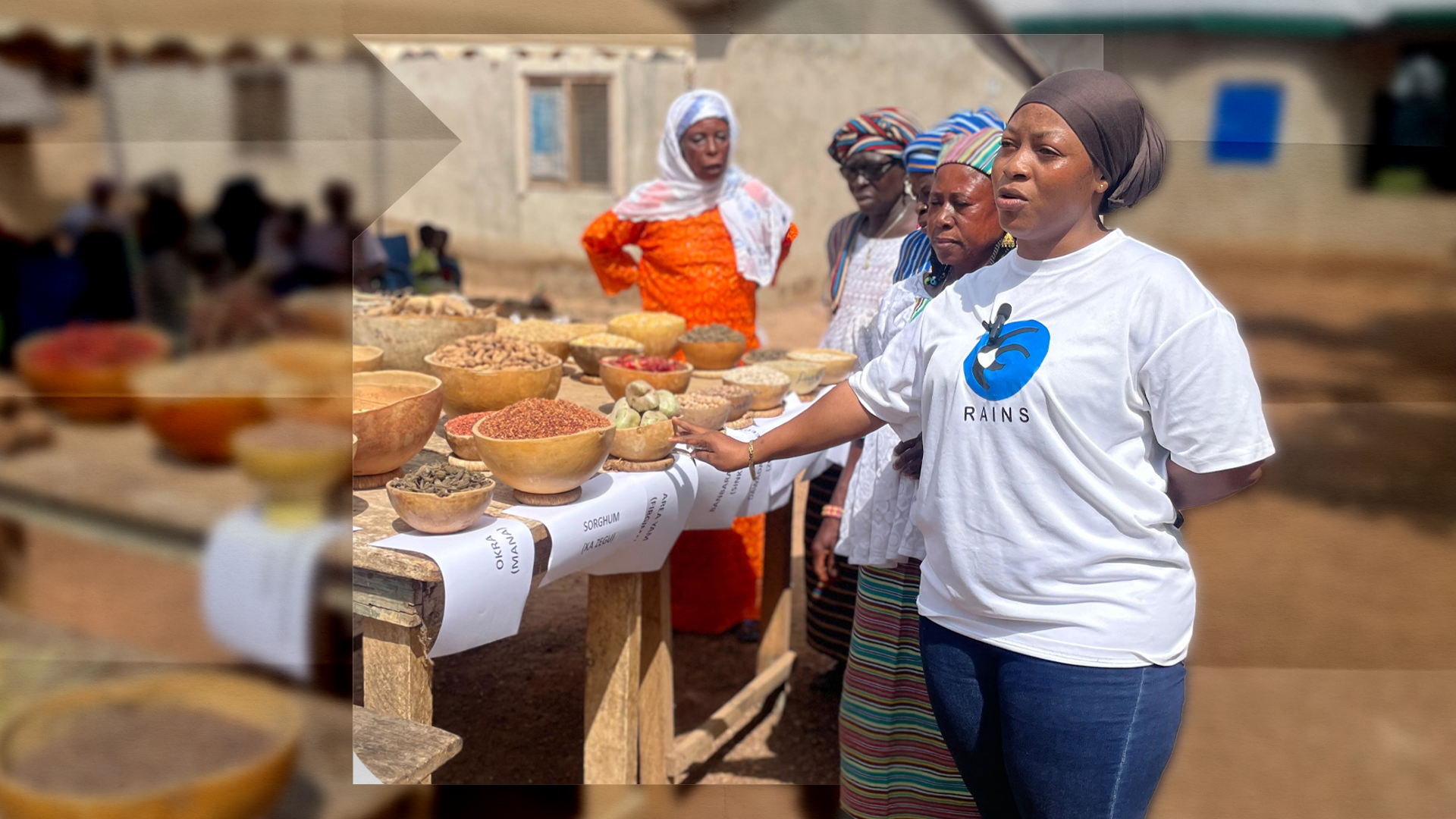
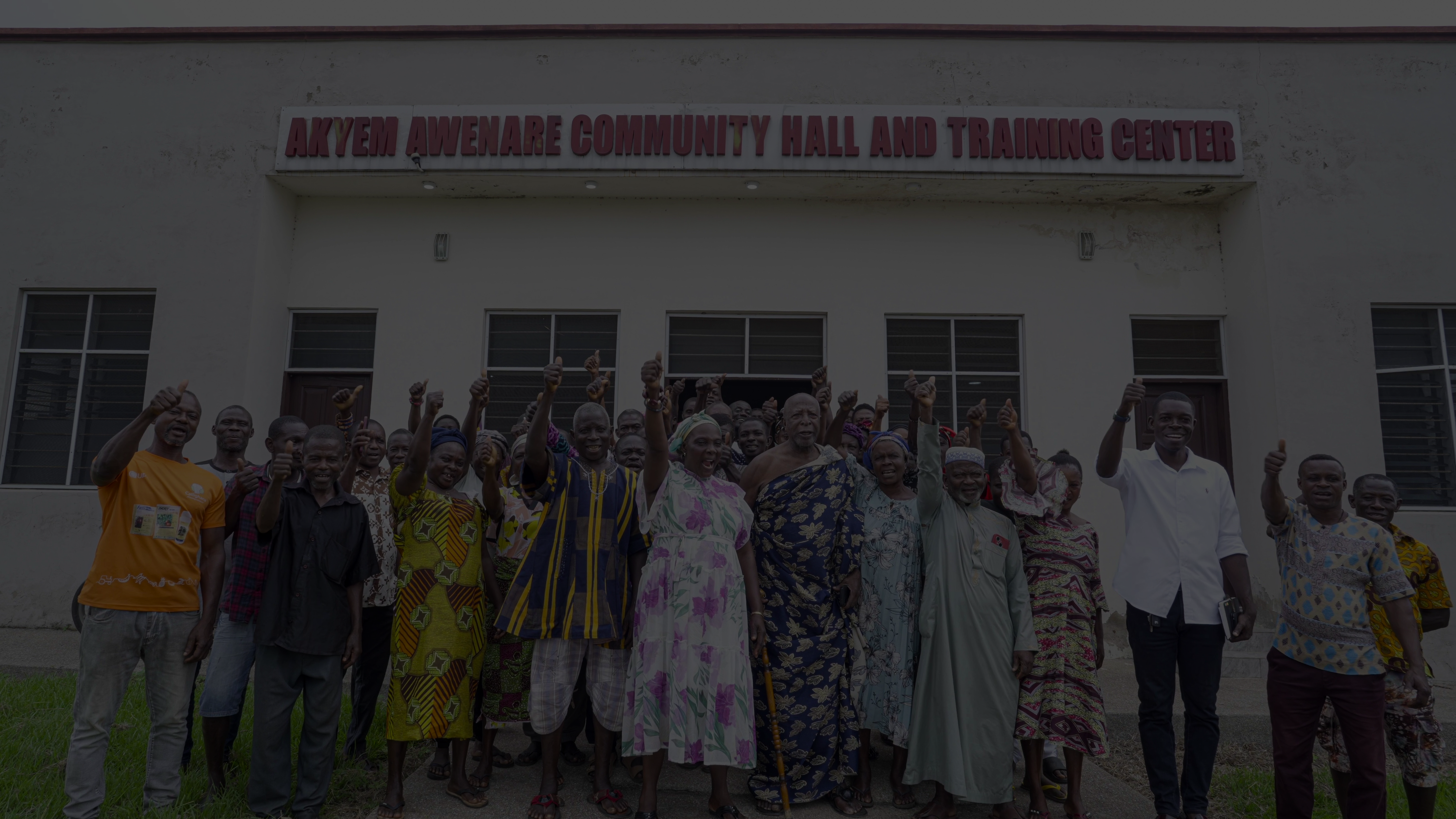
Ghana’s Benefit Sharing Plan (BSP) for the TREES Program is the product of extensive and inclusive consultation processes undertaken in the forest sector. Over 337 stakeholders from across ten regions-traditional authorities, women and men farmers, youth groups, civil society, private companies, local governments, and forest-dependent communities, contributed directly to shaping how benefits should flow.
Workshops, focus groups, pairwise ranking, impact assessments, and role playing exercises ensured that even groups often left out of natural resource governance, especially women, youth, and marginalized forest users-had their voices heard. Their insights shaped a benefit sharing arrangement rooted in fairness, practicality, and trust.
Innovation in Benefit Sharing
The TREES BSP breaks new ground in several ways to distribute the proceeds from results-based payments:
Ensures that those who actively reduce emissions such as farmers adopting climate smart agriculture and fire volunteers protecting forest reserves receive a meaningful share.
Including farm inputs, training, community projects, boreholes, and reforestation support, expand the definition of “benefits” to include improvements in long-term wellbeing.
Mandates women’s representation in governance structures and ensures that benefit packages explicitly address gender-related barriers.
Combines existing structures such as Community Resource Management Areas (CREMAs) and Hotspot Intervention Areas that have established committees to manage and execute benefit sharing.


A Model for Inclusive Climate Finance
Beyond numbers and structures, Ghana’s TREES Benefit Sharing Plan reflects a deeper transformation: a commitment to ensuring that climate finance reaches the people who safeguard the country’s forests and a virtuous cycle of forest management and governance is the result. Effective climate action is possible, and is most successful when co-created with communities, grounded in local realities, and designed to uplift both people and landscapes.
As Ghana begins to implement this Benefit Sharing Plan, it sends a powerful message: climate finance can be fair, inclusive, and transformative, when people are at the center.