Africa Learning lab
Strengthens approaches to fair and equitable REDD+ benefit-sharing
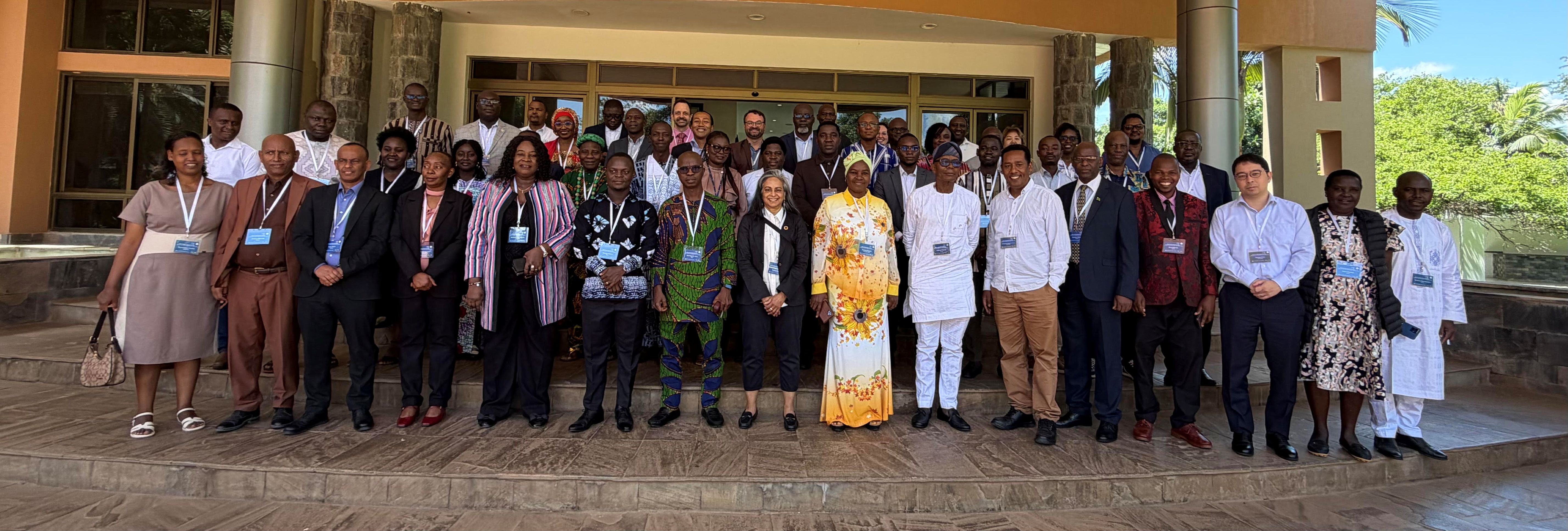
Country representatives, together with experts from UN-REDD, the African Forest Forum (AFF), and the World Bank, pose for a group photo outside the event venue.
As climate finance opportunities grow across Africa, governments are stepping up efforts to ensure that the benefits of REDD+ (Reducing Emissions from Deforestation and Forest Degradation), reach the communities who protect and depend on forests in ways that are fair, transparent and trusted.
To support this momentum, the UN-REDD Programme, together with the African Forest Forum (AFF) and the World Bank, convened a week-long regional learning lab on benefit-sharing in Zambia’s capital, Lusaka, from 23–27 November 2025. The event brought together representatives and practitioners from 12 African countries to deepen understanding of benefit-sharing design and provide practical guidance on accessing results-based payments.
The Lusaka workshop was informed by concepts unpacked during the World Bank and UN-REDD Global Exchange on benefit-sharing held earlier this year (March 2025) in Nairobi. The Lusaka regional event moved beyond theory to respond to a clear demand from countries for practical guidance and a space to work through real benefit-sharing governance and implementation challenges together.
Senior representatives from UNEP, the World Bank, AFF, and Zambia’s Ministry of Green Economy and Environment framed benefit sharing not as an administrative afterthought, but as a national policy instrument with direct implications for access to climate finance, social legitimacy, and long-term forest outcomes.
Steve Swan, UNEP UN-REDD Programme Management Lead, underscored the growing urgency to advance credible and inclusive benefit-sharing frameworks across the region.
“Across Africa, countries are now moving from readiness to implementation. That means benefit-sharing must be clear, credible, and community-centred from the start,” said Swan.
Speaking also during the opening ceremony, Executive Secretary of the African Forest Forum (AFF) Prof. Labode Popoola emphasized the importance of African-led solutions and regional cooperation in shaping fair and effective benefit-sharing systems.
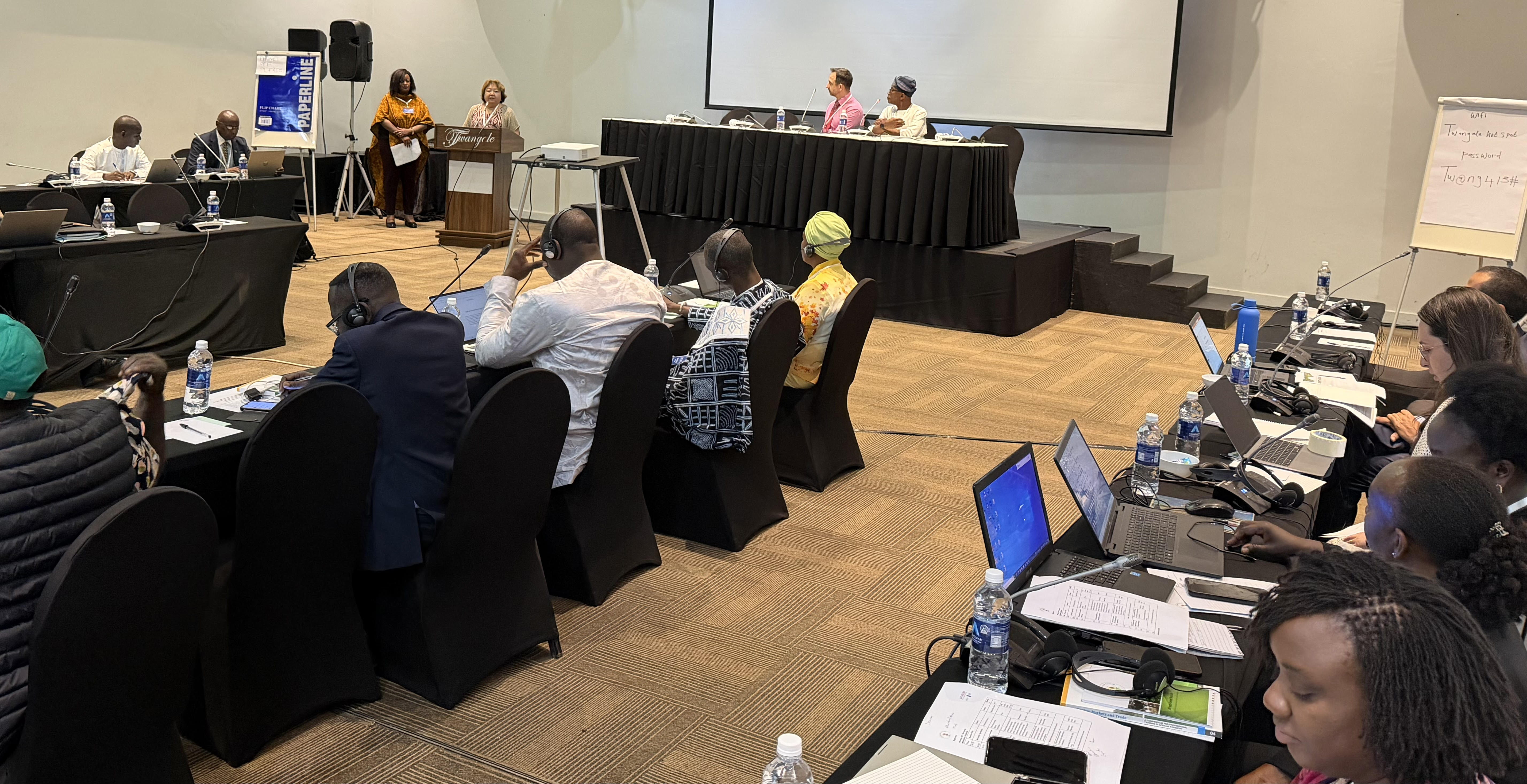
Asyl Undeland, Senior Social Development Specialist at the World Bank, delivering opening remarks
These remarks set the tone for the week, which focused on practical tools, peer-to-peer learning, and aligning technical design with the realities and priorities of communities on the ground.
Learning from each other
Delegates from government and civil society - from Benin, Burkina Faso, Cameroon, Côte d’Ivoire, the Democratic Republic of the Congo (DRC), Ethiopia, Gabon, Ghana, Kenya, Guinea, the Republic of Congo, Uganda, and Zambia - shared candid reflections on the realities of implementing equitable benefit-sharing for REDD+ in their countries. Despite being at different stages of readiness, many identified similar challenges: aligning national policies with local realities, defining fair and transparent distribution criteria, and building long-term trust with communities.
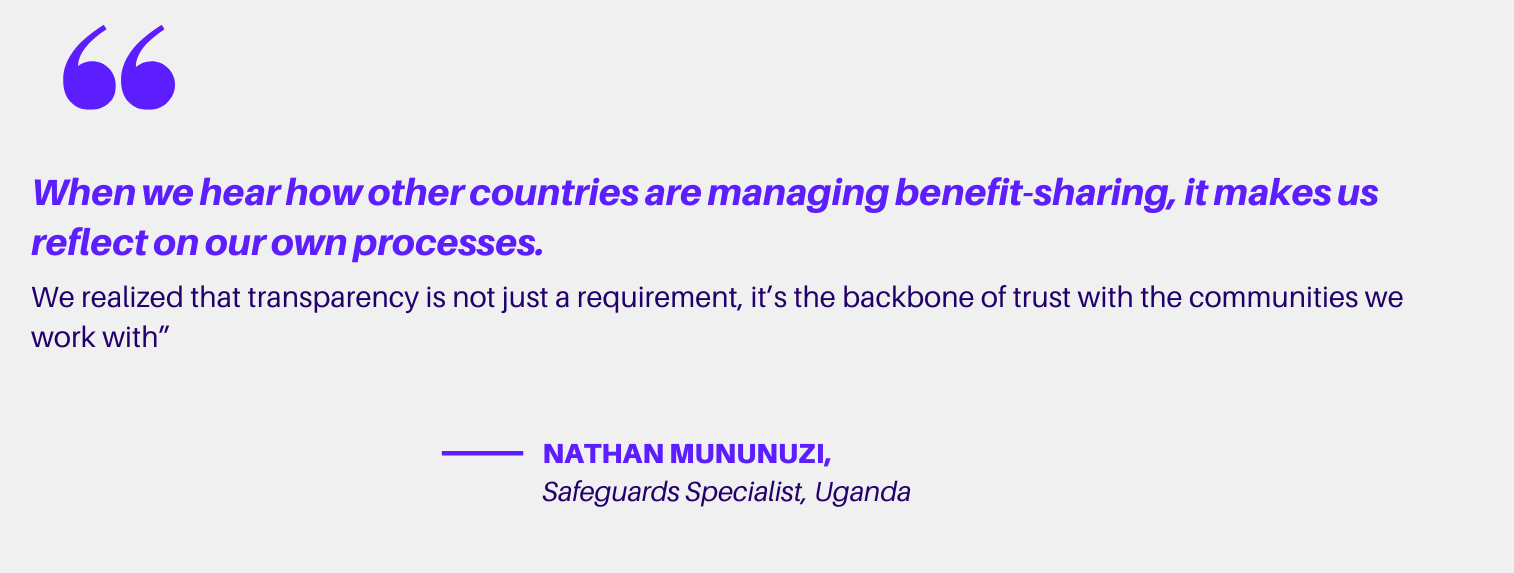
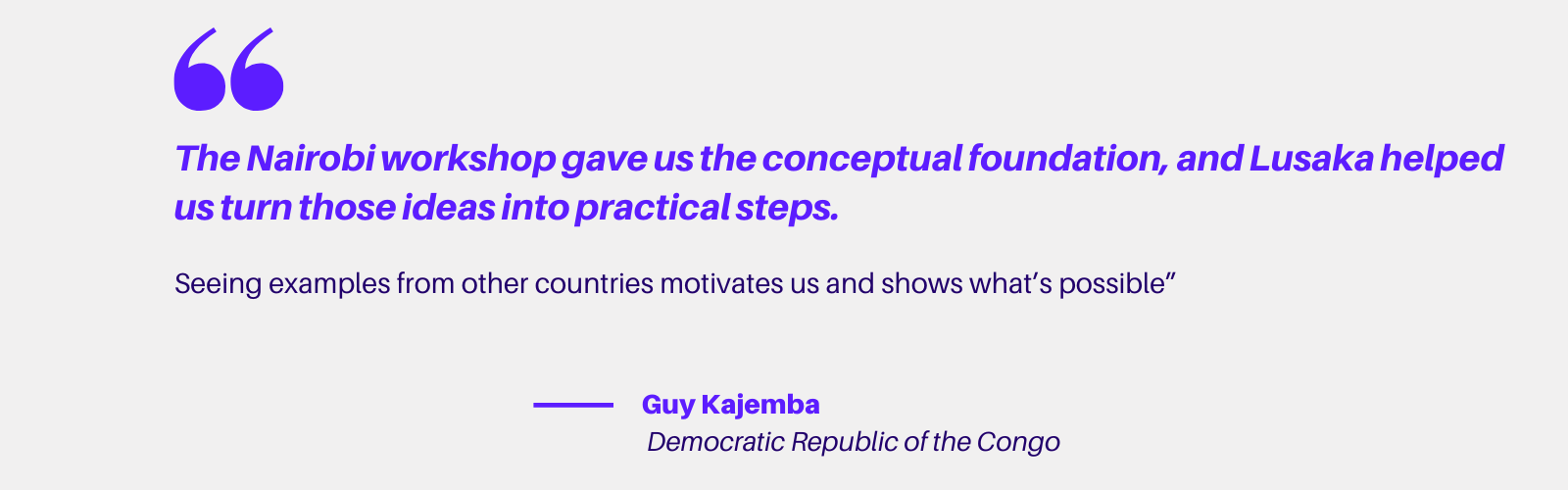
Participants also highlighted the value of peer learning and the continuity between the Nairobi workshop and the Lusaka Learning Lab.
Trust and participation emerged repeatedly as core principles of effective benefit-sharing.
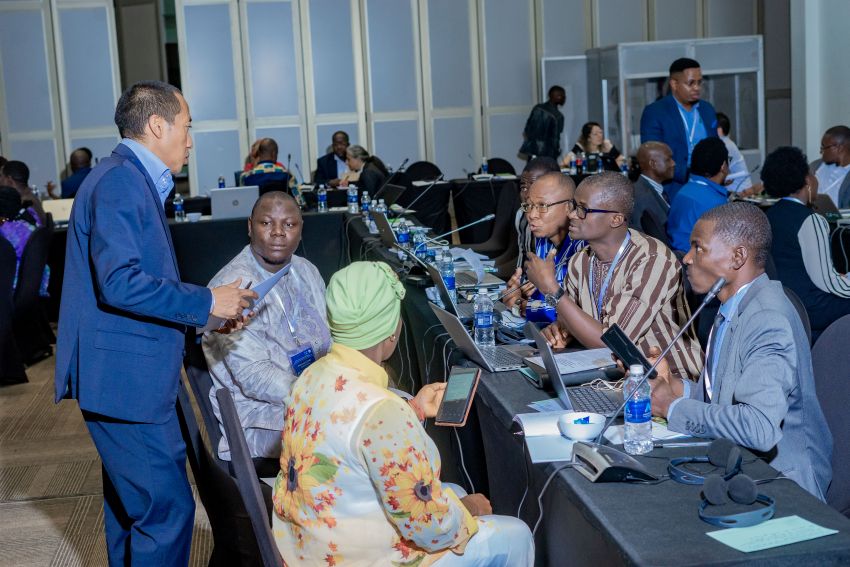
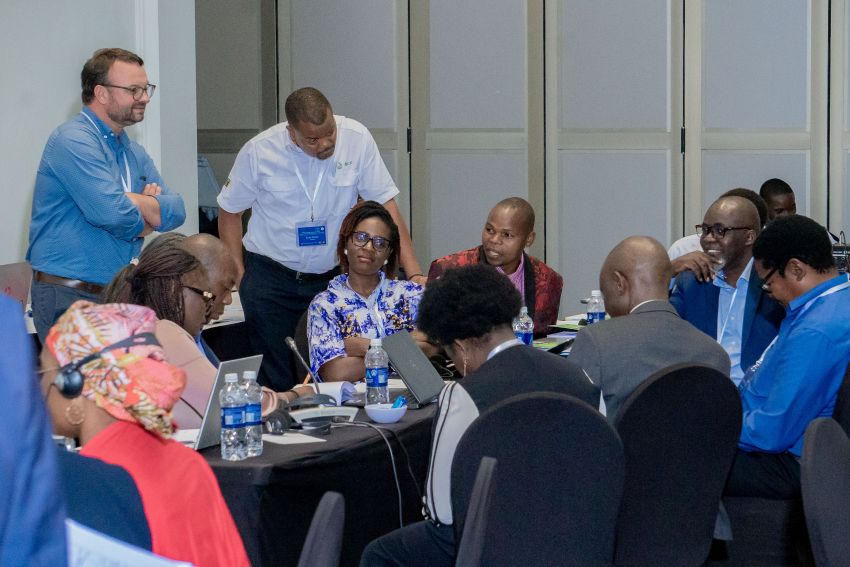
Through group clinics, participants collaboratively explored solutions and strengthened their benefit-sharing approaches, with technical support from UN-REDD Africa Technical Coordinator Mami Rasamoelina.

Counting the costs: operationalizing benefit-sharing
Designing safeguards instruments like a benefit-sharing mechanism is only half the challenge, financing and implementing them sustainably and in a participatory manner is equality critical. In a hands-on session, country teams used a UNEP tool to identify and prioritize the activities required to move from design to implementation, estimating resource needs and sequencing actions.
The exercise provided visibility on aligning national ambitions with realistic financing pathways for those at early design stages and for those looking to scale-up implementation. Participants reflected on how transparent costing can support discussions at project, national/interministerial level and internationally with donors and partners.
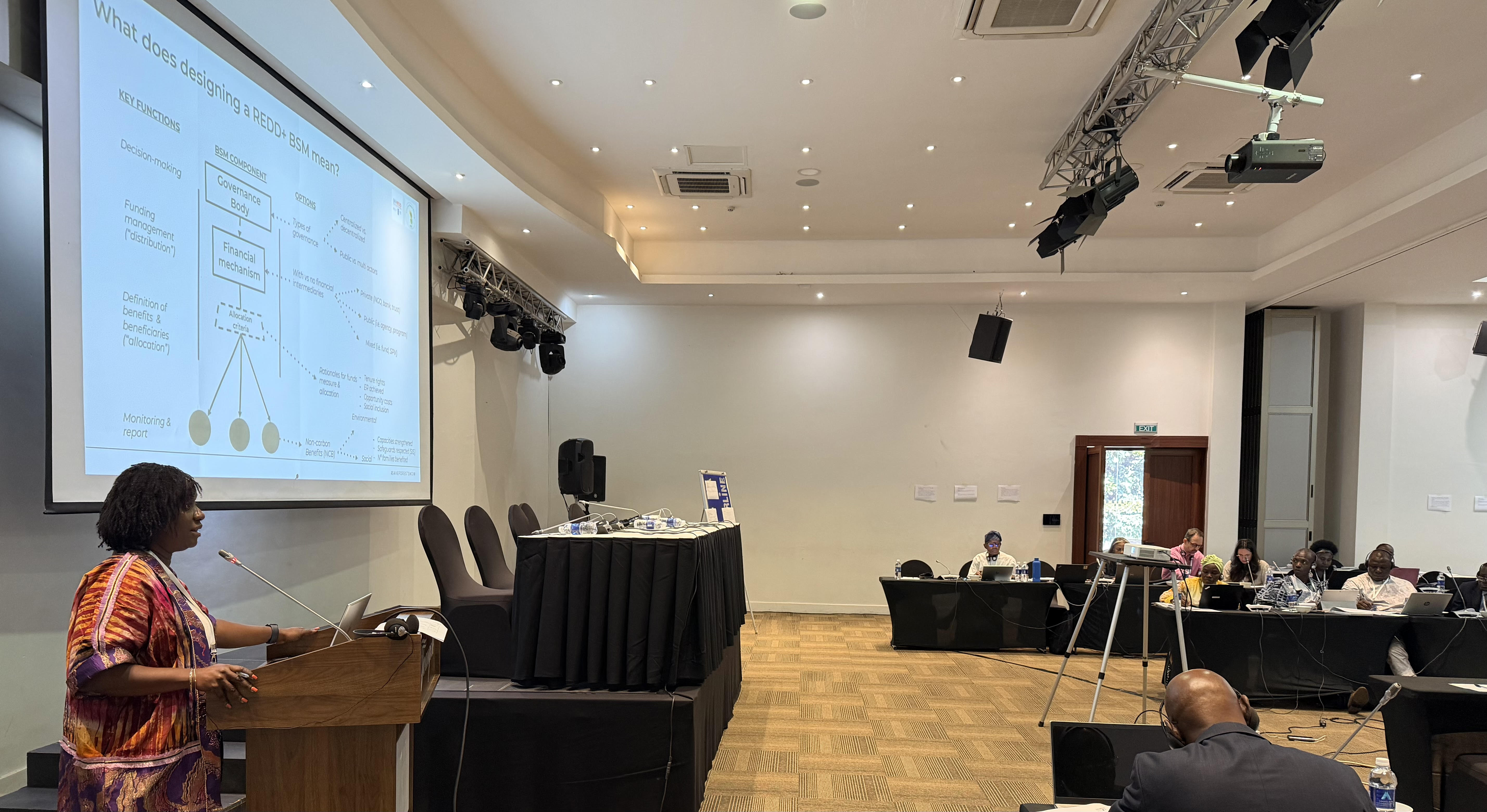
Ivy Ashiley, Benefits Sharing Officer from Ghana, shares Ghana’s experience as one of Africa’s leading countries in the design and implementation of benefit-sharing mechanisms.
Putting communities at the center
Participants repeatedly emphasized that communities must be central to the design and implementation of benefit-sharing systems. In a participatory design session, Sarah Beard, UNEP UN-REDD Safeguards Specialist, reminded participants that communities are not just beneficiaries or passive recipients but effective delivery partners. Recognizing forest communities as active participants and rights-holders is central to demonstrating integrity, managing risk and sustaining equitable access to results-based finance.
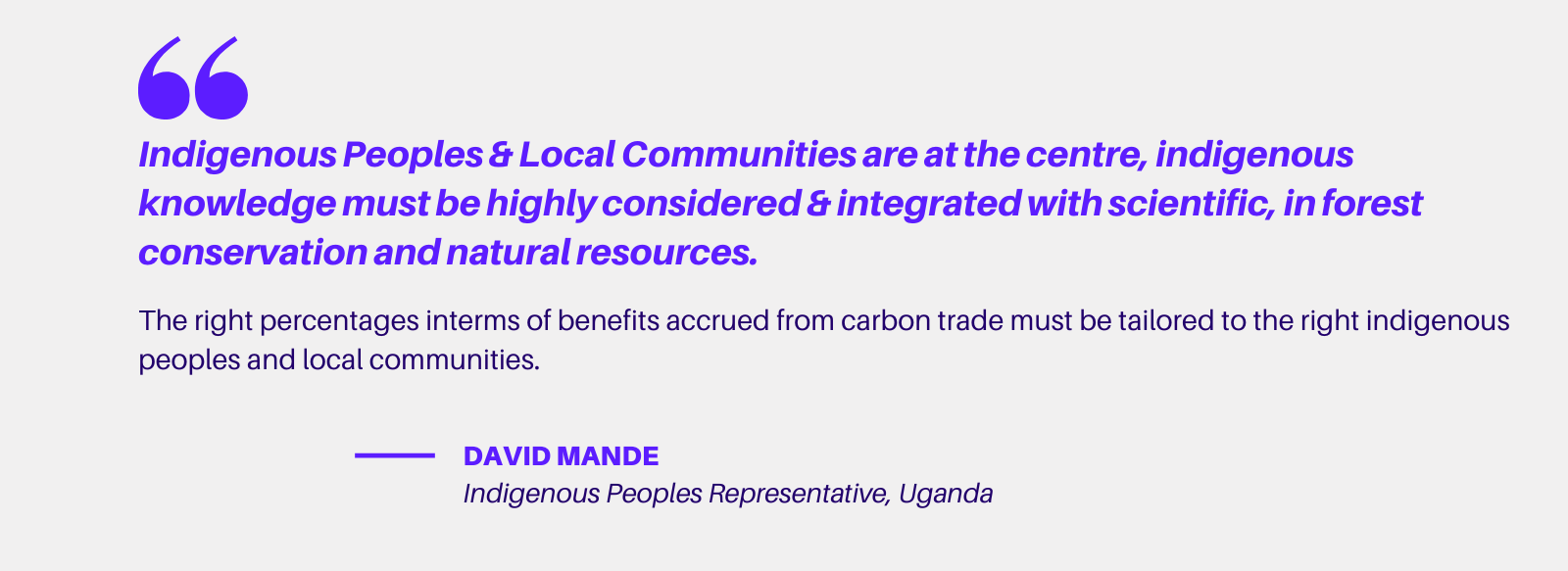
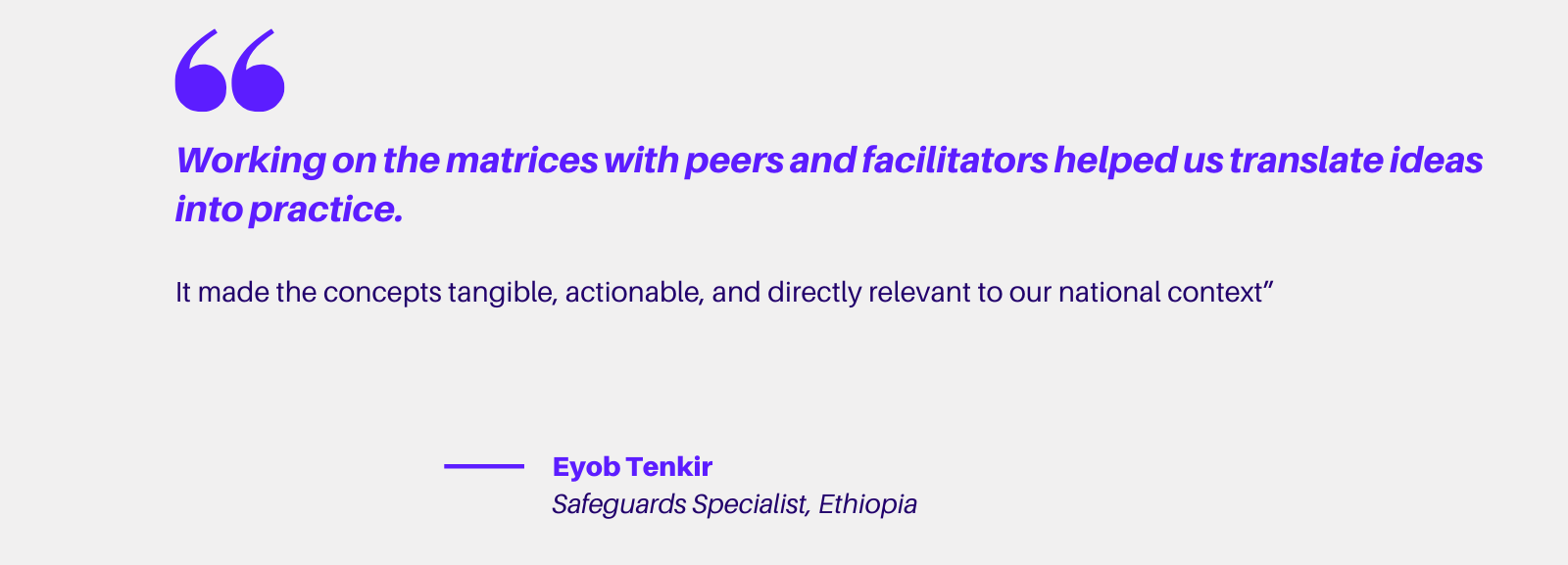
Country representatives engaged in hands-on exercises, including stakeholder mapping, designing decision-making structures, and drafting benefit-distribution matrices that integrated both carbon and non-carbon benefits, such as livelihoods, capacity building, and strengthened local institutions.
Participants shared practical lessons from these exercises:
- Inclusive governance structures build stronger community buy-in.
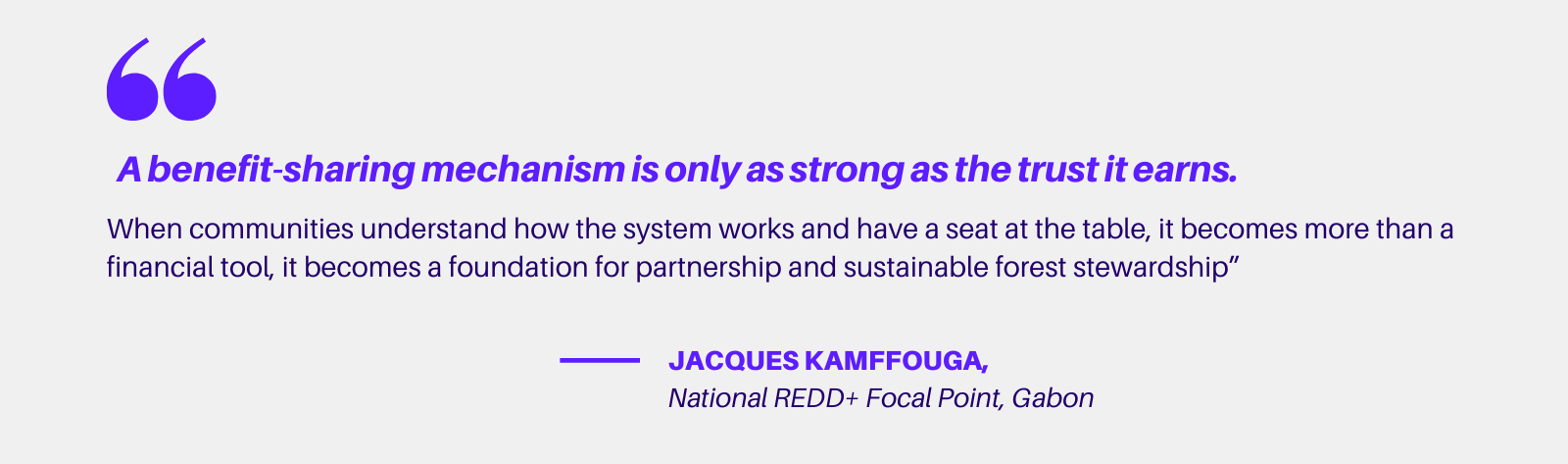
- Clear communication and transparency increase trust and legitimacy.
- Integrating local priorities makes benefit-sharing more relevant and sustainable.
- Multi-stakeholder collaboration accelerates problem-solving and innovation.
- Linking national and local frameworks improves implementation and accountability.
Moving forward together
By the end of the week, participants moved from dialogue to delivery. Country representatives developed detailed action plans to strengthen or finalize their national benefit-sharing frameworks. Participants highlighted next steps, including advancing transparency and tracking tools, legal and policy reforms, and mechanisms to ensure that local voices meaningfully guide benefit distribution.
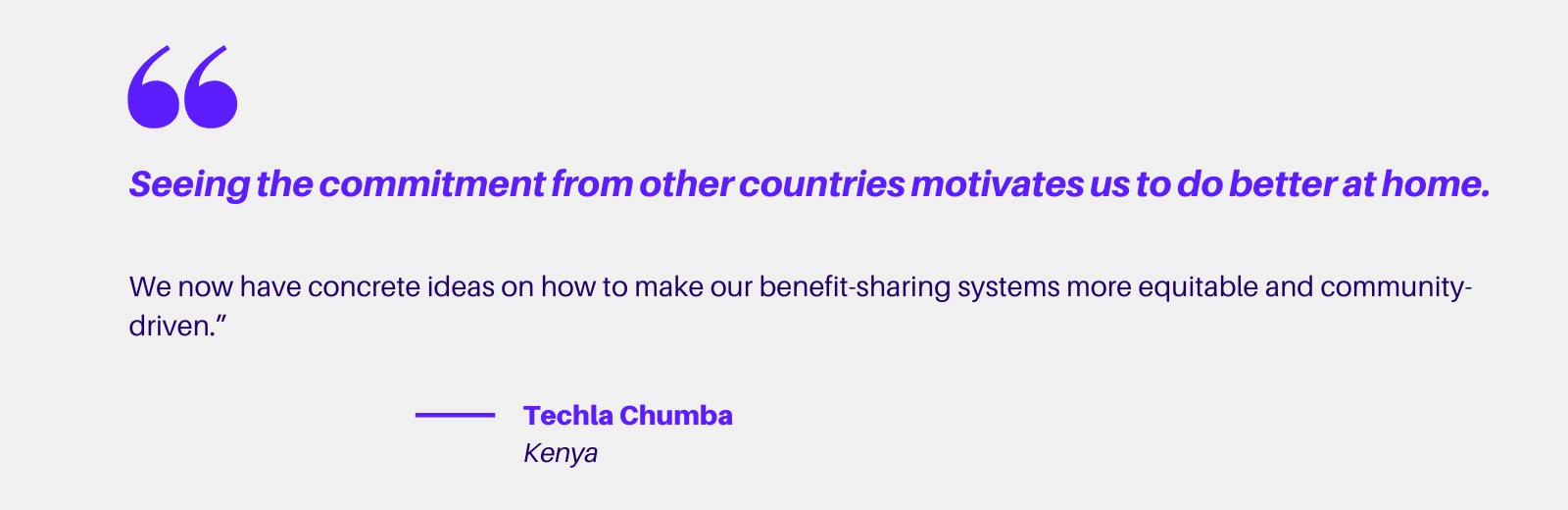
Importantly, participants left not only with concrete action plans, but also with a strengthened regional peer network and continued access to shared tools and resources through the UN-REDD Knowledge Platform (Howspace). They were encouraged to continue engaging with experts and peers via the platform’s Community of Practice and the REDD+ Academy, enabling sustained exchange, feedback, and technical support well beyond the Lusaka Learning Lab.
From these discussions, participants identified several lessons as essential for strong and equitable benefit-sharing.
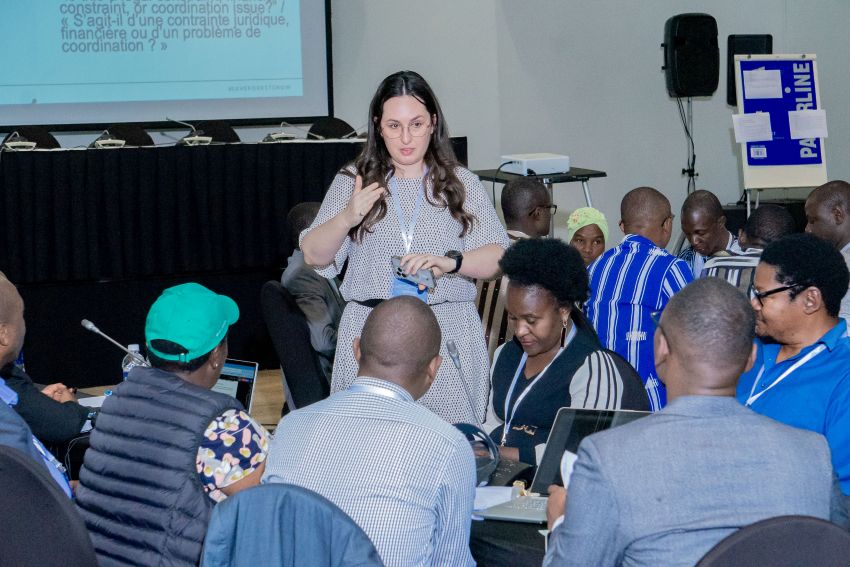
Country participants engaging in a hands-on clinic session, guided by UNEP/UN-REDD Safeguards Specialist Sarah Beard.
Key takeaways from the learning lab
- Trust underpins effective benefit-sharing: Credible benefit-sharing mechanisms depend on transparency, clear rules, and accessible information on how benefits are generated, allocated, and distributed. When communities can see how decisions and funds flow, confidence, legitimacy, and long-term engagement are strengthened.
- Meaningful participation is essential: Communities and local stakeholders must play active roles in the design, governance, implementation, and monitoring of benefit-sharing systems. Moving beyond consultation to shared decision-making helps ensure fairness, accountability, and local ownership.
- Context-specific design drives equity and impact: Benefit-sharing frameworks must be tailored to national and subnational realities, recognizing customary rights, existing governance structures, and locally defined priorities. Aligning mechanisms with local contexts makes benefit-sharing more relevant, equitable, and sustainable.
- Robust benefit-sharing unlocks climate finance at scale: Well-designed, transparent, and inclusive benefit-sharing mechanisms are critical for accessing results-based payments and high-integrity carbon markets. Clear links between emission reductions, benefit distribution, and community outcomes enhance investor confidence and enable countries to mobilize and sustain climate finance over time.
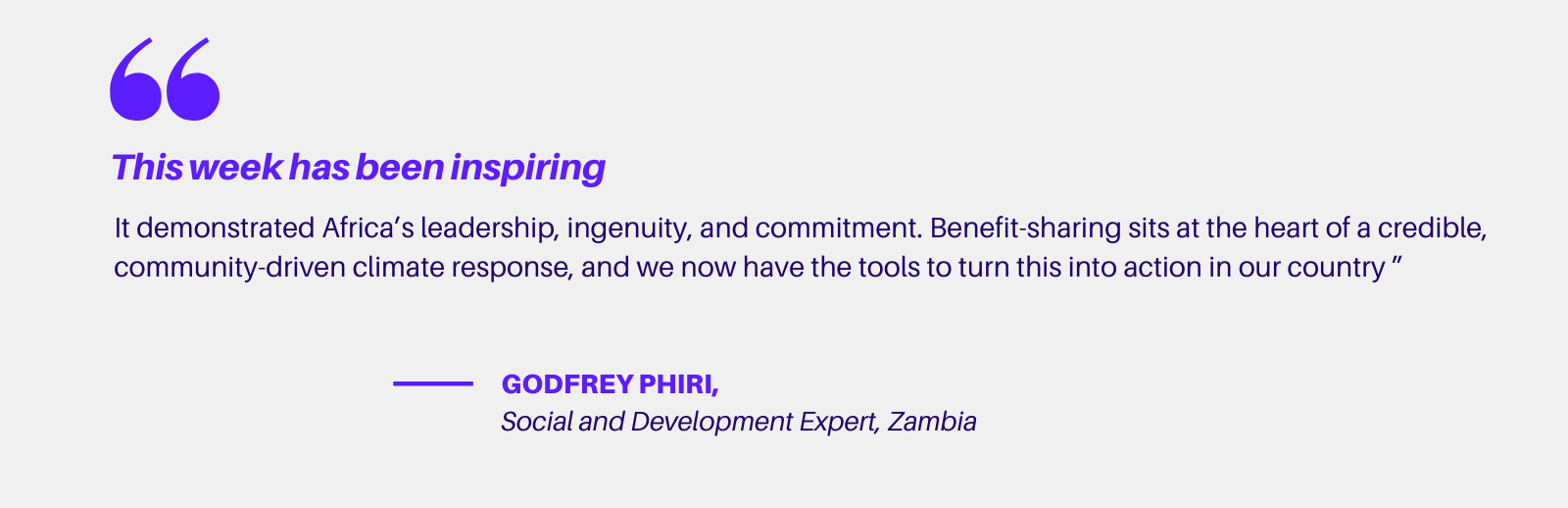
The Learning Lab demonstrated that as climate finance expands, African countries are not only ready to access funds, but they are also committed to ensuring that benefits reach the communities who protect forests every day.
By: Michael Muratha