Gender-responsive forest conservation action delivers stronger results
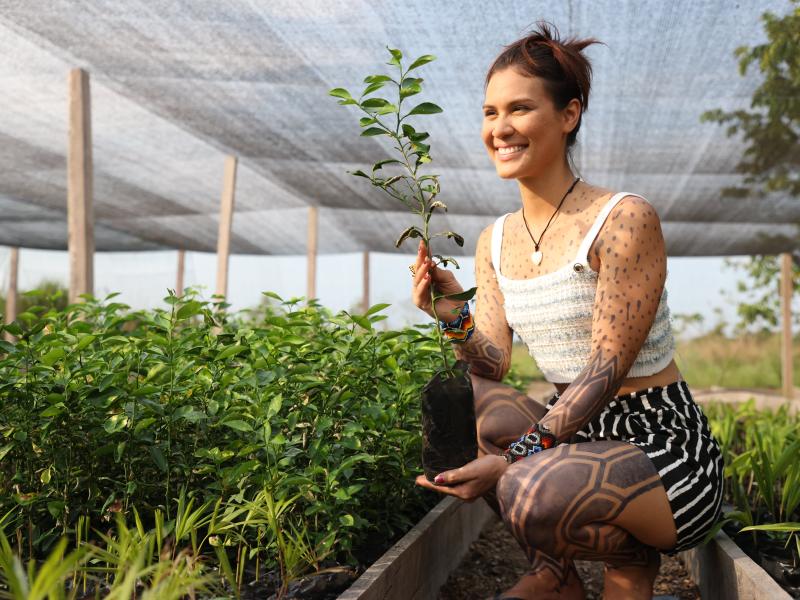
When women lead and benefit equitably from forest conservation, the results are transformational, for forests, communities and climate action.
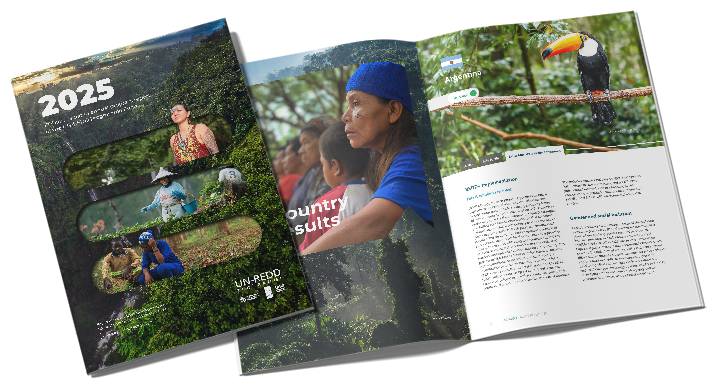
This is the key message of a new case study report developed by the UN-REDD Programme. Titled “The Power of Gender: New Generation of REDD+ Action in the LAC Region”, this publication spotlights the good practices from innovative REDD+ actions across Latin America and the Caribbean that have successfully placed gender equality and women’s empowerment at the heart of the design and implementation of their REDD+ action.
With this publication, the UN-REDD Programme is helping to address the global continued need to document and systematize gender good practices and support efforts to design and implement high impact REDD+ actions that jointly deliver for forests and gender equality. With in-depth case studies from Green Climate Fund (GCF)-financed REDD+ results-based payments (RBP) projects from Brazil, Chile, Costa Rica, Ecuador and Paraguay, the report demonstrates that gender-responsive approaches not only advance gender equality but also deliver more effective and durable forest conservation outcomes. See below for a snapshot of some of the good practices and results featured in the publication.

Women as agents of change
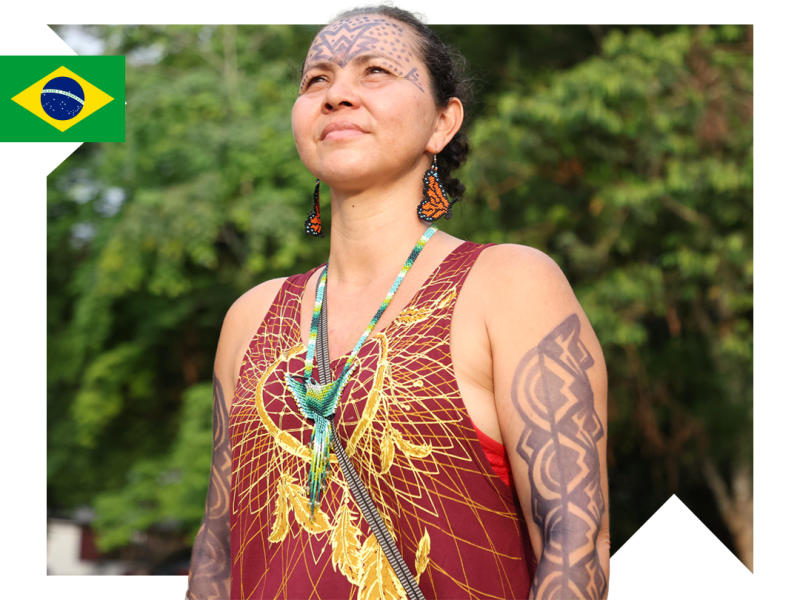
Brazil: Direct payments to women's bank accounts are strengthening economic autonomy and putting women at the center of forest conservation.
The pilot Payment for Ecosystem Services (PES) programme of Brazil’s Floresta+ Amazon Project pioneered clear, measurable and ambitious gender requirements to promote women’s equitable participation as beneficiaries and to ensure they receive an equitable share of benefits. In this process, it collected gender-disaggregated data to establish gender baselines for land ownership, information that previously did not exist. A key innovation is in the benefit sharing arrangements for the PES programme: where rural properties have multiple owners, payments are transferred directly to women’s bank accounts, strengthening economic autonomy. Demonstrating the pivotal role women play in driving innovation and forest sustainability, the project has also actively and equitably promoted women’s leadership in decision-making and governance structures.
By the end of 2024, 43 percent of beneficiaries under the Conservation modality were women, of which 10 percent were heads of single-parent families; half of supported innovative businesses were women-led; and 52 percent of the Project Advisory Committee were women, embedding gender balance in decision-making.





Amplifying rural and Indigenous women’s voices
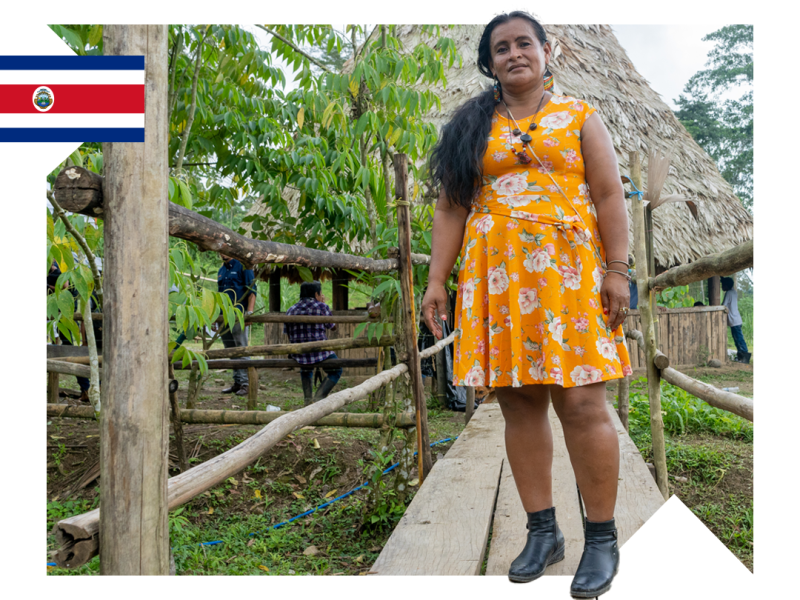
Costa Rica: Rural and Indigenous women are shaping national policy, from land rights law to fire management training.
Costa Rica established the National Forum of Rural Women in 2022, bringing together representatives from the country’s 29 rural territories. By 2024, the Forum had developed a national strategy and led drafting of a Law on Women’s Access to, Use and Control of Land, which has received parliamentary support. The country also pioneered gender-responsive fire management, training 80 firefighters (45 women and 35 men) through the region’s first Gender, Forest and Fire course. In Indigenous territories, 20 Environmental, Forest and Territorial Plans, covering 79 percent of Indigenous lands, were developed through inclusive processes. In this process, Indigenous women represented 51 percent (4,932 women) of the Indigenous People participating in the 209 community dialogues on design and 52 percent of the members of the corresponding monitoring committees.
Systematic gender integration
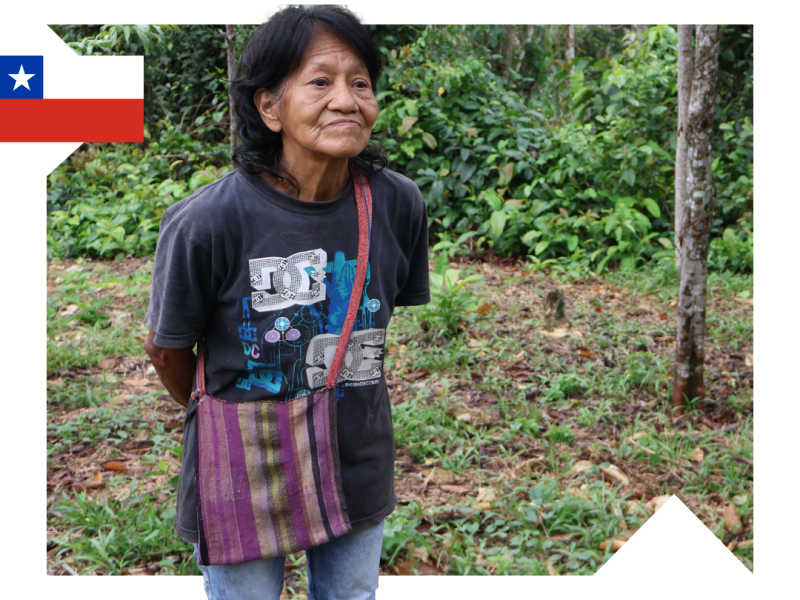
Chile: Gender equality is now a mandatory, measurable part of how forestry projects are managed, not an afterthought.
Chile mainstreamed gender across all REDD+ implementation levels, developing tools, checklists and guidelines for site-level projects, to ensure gender equitable benefit sharing and expanded livelihood opportunities for women. Results followed: as of the end of 2024, women accounted for 50 percent of 3,142 permanent direct project beneficiaries and 70 percent of 821 site-level projects integrated a gender-sensitive approach and 46 percent had women as project owners. Chile also introduced the country’s first gender equality indicator within the National Forestry Corporation’s Management System, making gender responsiveness a mandatory element of conservation management.
Addressing inequalities and empowering women to drive economic change in forest conservation
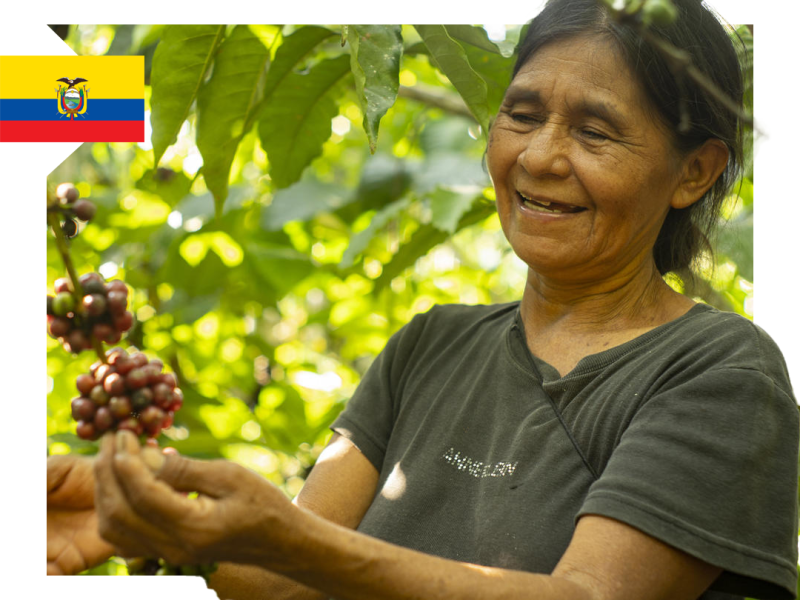
Ecuador: Tackling gender-based violence and unlocking finance are helping women lead the shift to sustainable land use.
In Ecuador, with the development of the Botas Violeta (Purple Boots in English) initiative, the project helped prevent gender-based violence (GBV) through awareness raising activities shedding light on the economic violence faced by many women in the Amazon. This initiative also helped to make visible the indispensable roles women play in REDD+ and associated sustainable agriculture and livelihoods practices. Due to its success in helping to tackle GBV, reaching nearly 1,750 people, mostly women, the Botas Violeta initiative was scaled up in 2023 to the national level to reach more women and men. Women’s barriers to finance were also removed through a deforestation-free credit line, easing loan requirements for women and allowing them to also help in the conservation of forests in the Ecuadorian Amazon. Of USD 3.9 million disbursed, 35 percent went to female producers, who made up 43 percent of recipients. In addition, of a total of 6,585 ha in transition to sustainable production systems, 2,327 (35 percent) is under women’s leadership.
Removing barriers to leadership
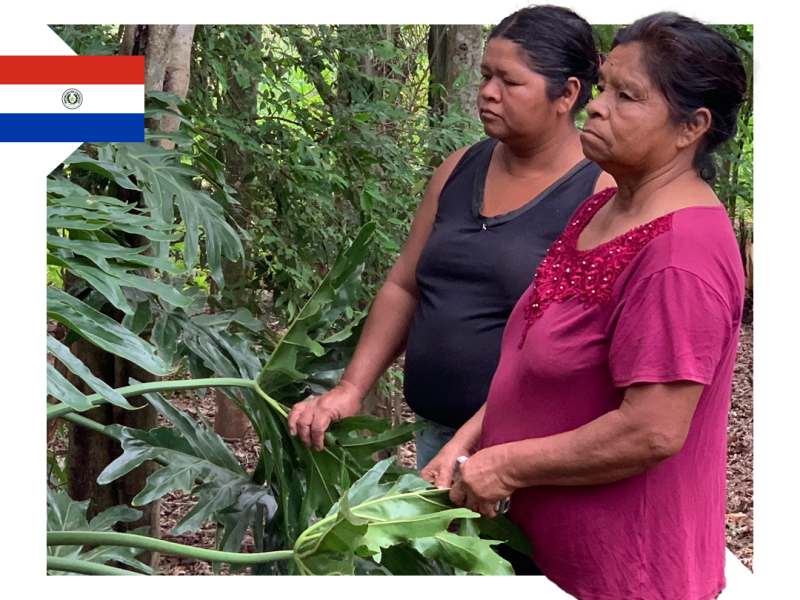
Paraguay: Culturally adapted dialogues are giving Indigenous women an equal seat at the table in forest governance.
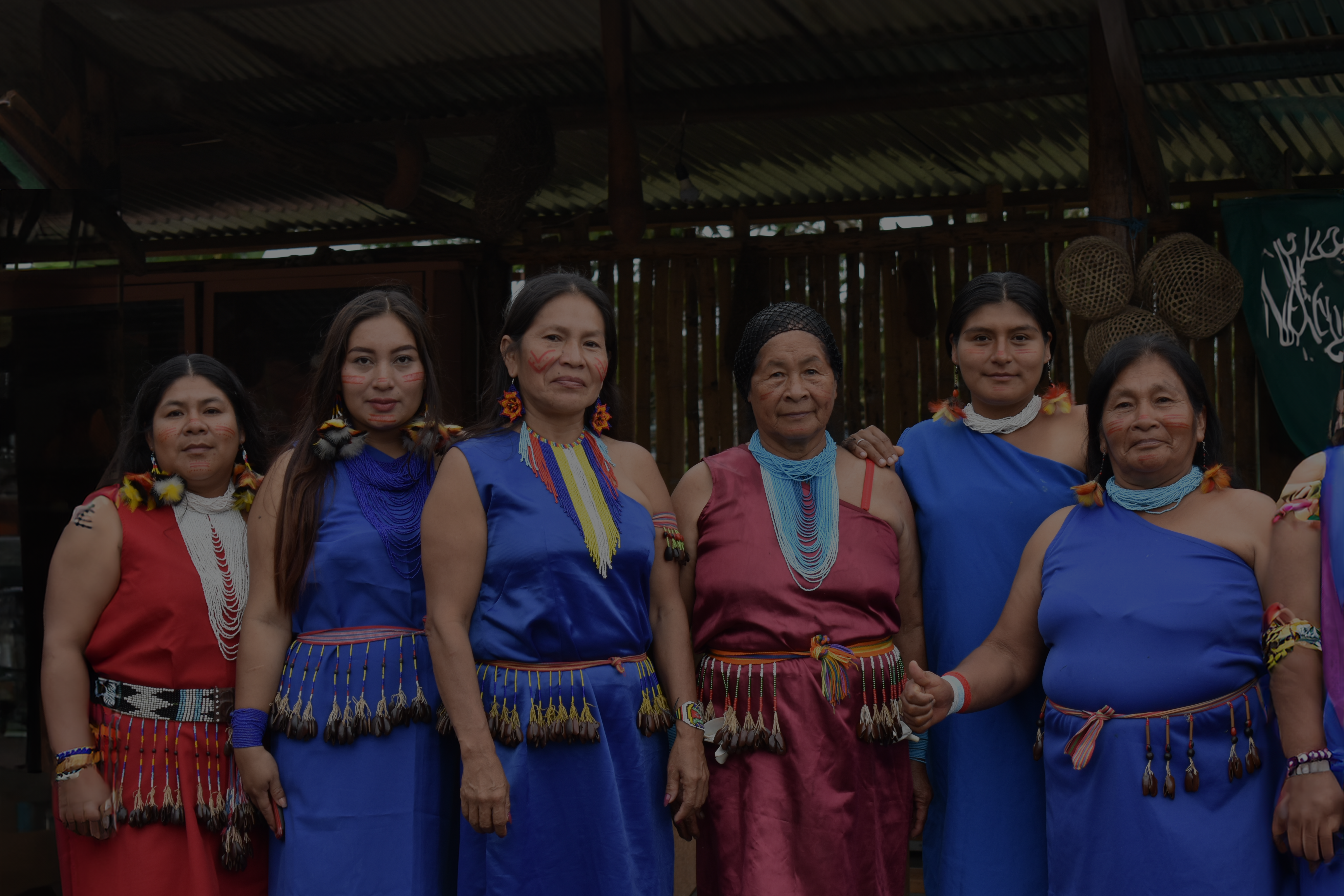
In Paraguay, culturally adapted intercultural dialogues increased Indigenous women’s participation in forest governance. Women now comprise 40 percent of the Project Board, with equal representation on regional councils. Indigenous women also played an active and equitable role in decision-making processes to ensure their priorities were included in financial incentives associated with the country’s Environmental Services Regime. To illustrate, Indigenous women represented 42 percent of the 1,905 Indigenous People consulted on Free Prior and Informed Consent (FPIC). Childcare spaces (including play and learning areas) were provided during these FPIC processes so that mothers could effectively participate in the workshops.
A model for transformational change
Across these countries, gender-responsive REDD+ action has delivered stronger forest outcomes, improved livelihoods, and shifts in social and gender norms.
Through these efforts to systemize and generate new knowledge on gender good practices, UN-REDD continues to support countries in scaling approaches that show a simple truth: when women are equitably and actively involved and have a seat at the table, forests, and climate action, are more effective and successful.