At 1,600 metres above sea level in the mist-wrapped highlands of Indonesia’s West Java, the scent of damp soil and ripening coffee cherries hangs in the afternoon air.
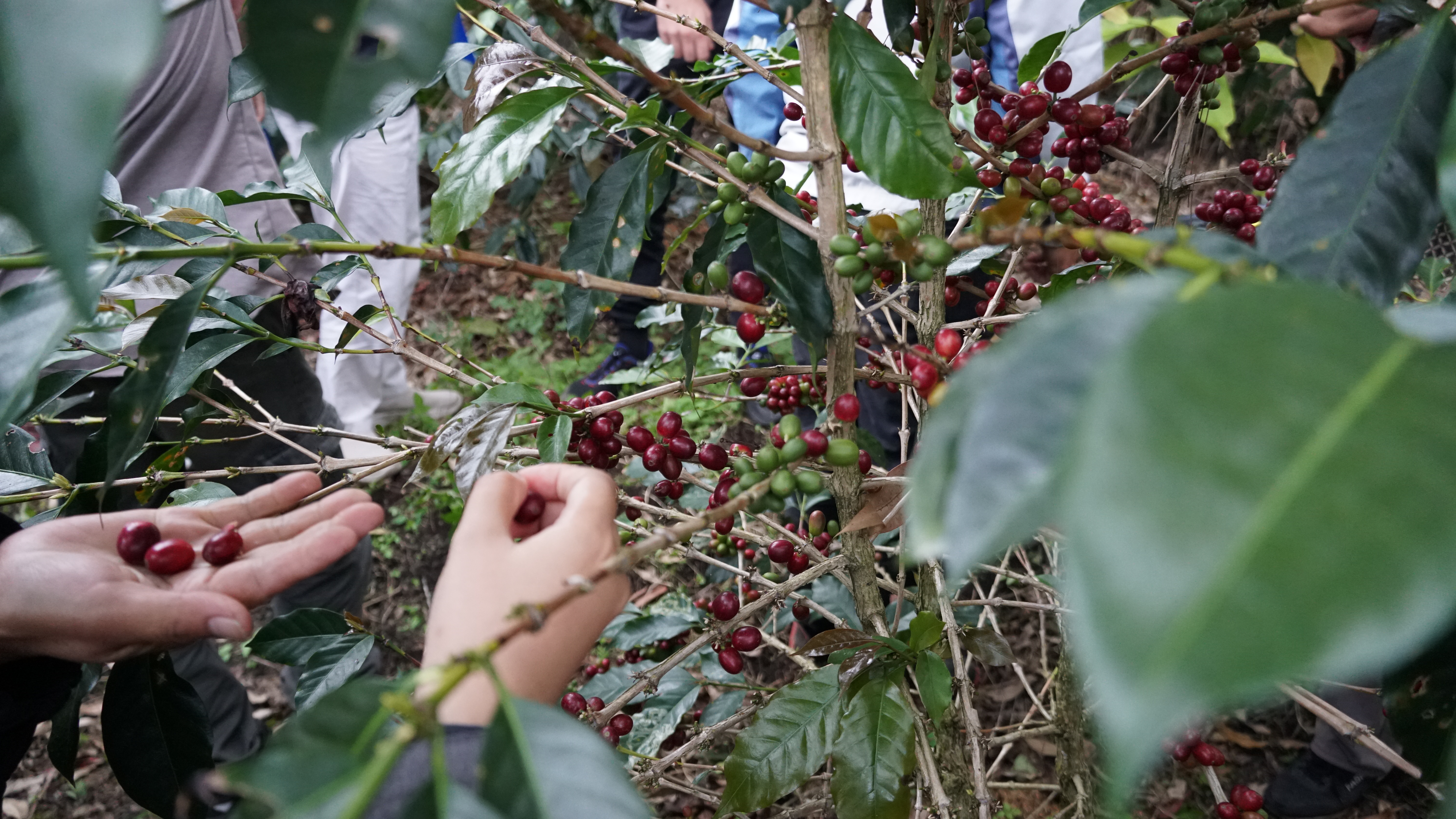
Farmer Suryana, dressed in a traditional batik shirt, reaches into the bushes of his coffee plants, his hands practiced, his eyes focused on the bunches of red cherries - evidence not just of a good harvest, but of something much deeper.
On these once-barren slopes, a quiet transformation is underway. Led by local farmers and fuelled by community forestry, a landscape once stripped bare of trees is now producing a bumper harvest of coffee beans, while aiding biodiversity recovery.
The United Nations Environment Programme (UNEP), through the UN-REDD's Climate Change Mitigation through Social Forestry Actions in ASEAN Countries initiative - jointly implemented with the Food and Agriculture Organization of the United Nations (FAO) and supported by the Swiss Agency for Development Cooperation - has worked closely with partners to help cooperatives like KMN build investment readiness and strengthen forest-friendly supply chains.
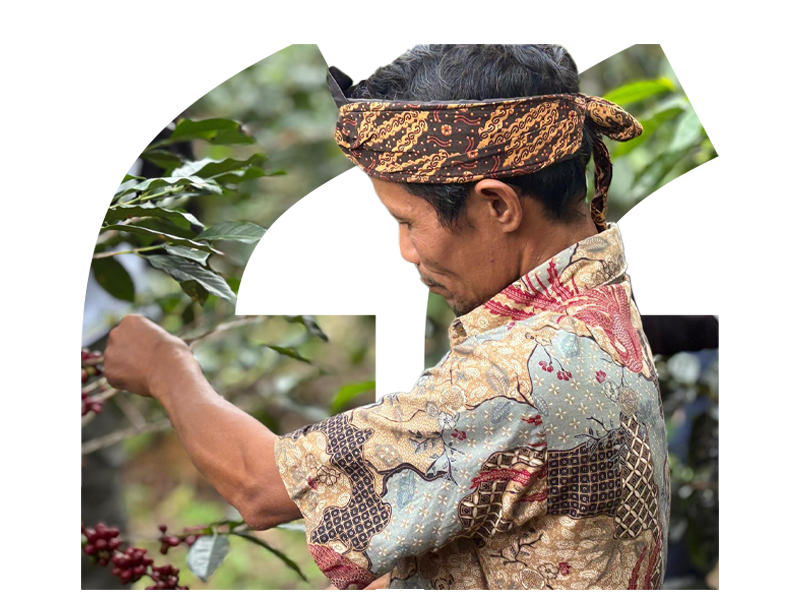
When we started farming here, this land was nearly empty. Now, coffee helps us support our families - and brings the forest back to life.
- Suryana | Member of social forestry group KPS Ibun
This includes technical and financial guidance, business plan planning, and connecting potential off-takers and financiers with the aim of lifting local social forestry enterprises onto more sustainable economic pathways.
The social forestry coffee enterprises in West Java are more than just the switching of crops - they mark a shift in mindset. Farmers have moved away from short-cycle horticulture, which stripped soil and increased erosion, towards shade-grown agroforestry systems that cool the land, protect biodiversity, and stabilize rural incomes. This has had positive impact on local forests: increasing tree cover and curbing encroachment and illegal activities.
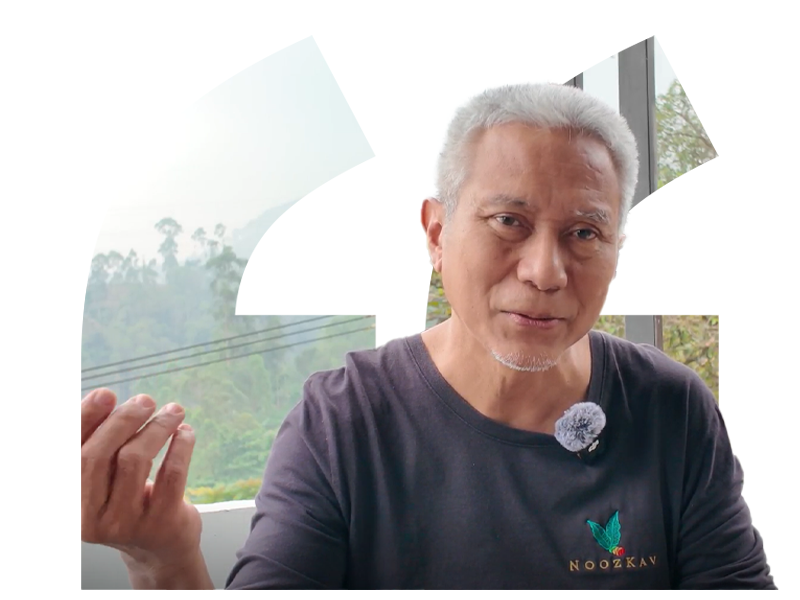
Coffee is different. When grown sustainably, coffee doesn’t degrade the land. It heals it. When bees and birds return, the microclimate improves. You get better coffee - and a better environment.
Daroe Handojo | Certified Q-grader, or professional coffee taster
UNEP’s support through UN-REDD has also focused on helping social forestry groups navigate the technical, financial, and legal challenges that often prevent them from reaching full potential. While KMN can process up to 50 tonnes of beans per day at a nearby facility, they don’t yet own it. Most sales are still green beans, limiting value capture. UNEP and its partner, Non-Timber Forest Products-Exchange Program (NTFP EP), have helped develop strategies to connect cooperatives to traceability and deforestation free schemes, buyers, and potential sources of investment.
What the farmers need is cashflow during harvest and a processing centre they control,” Daroe explained. “These are businesses with climate impact - but they fall between the cracks. They’re too complex for small grants, and too small for banks.
KMN’s work is just one part of a much bigger opportunity. Based on figures from the IPCC Special Report on Climate Change and Land, forests in South-East Asian countries could deliver up to 1.2 billion tonnes of CO₂ emissions reductions annually by 2030 - if protected, restored, and managed effectively. This positions forests as one of the region’s most powerful natural climate solutions. Social Forestry Enterprises (SFEs) like KPS Ibun and KMN are key to realizing this potential. Nearly 14 million hectares of land across South-East Asia are already under social forestry agreements, but most remain undercapitalized and underrecognized.
Recognizing this, UNEP and partners under the UN-REDD Programme are developing an ASEAN Regional Blueprint on Commercial Development of Social Forestry Enterprises. Drawing from field experience in Cambodia, the Lao People’s Democratic Republic, and Indonesia, the blueprint will provide practical tools and policy guidance to scale SFEs across the region - from improving business governance to expanding access to market and finance and building regional support systems.
For KMN and their social forestry farmer group members, the blueprint validates what they have long known - that forest protection and restoration and economic resilience can go hand in hand.

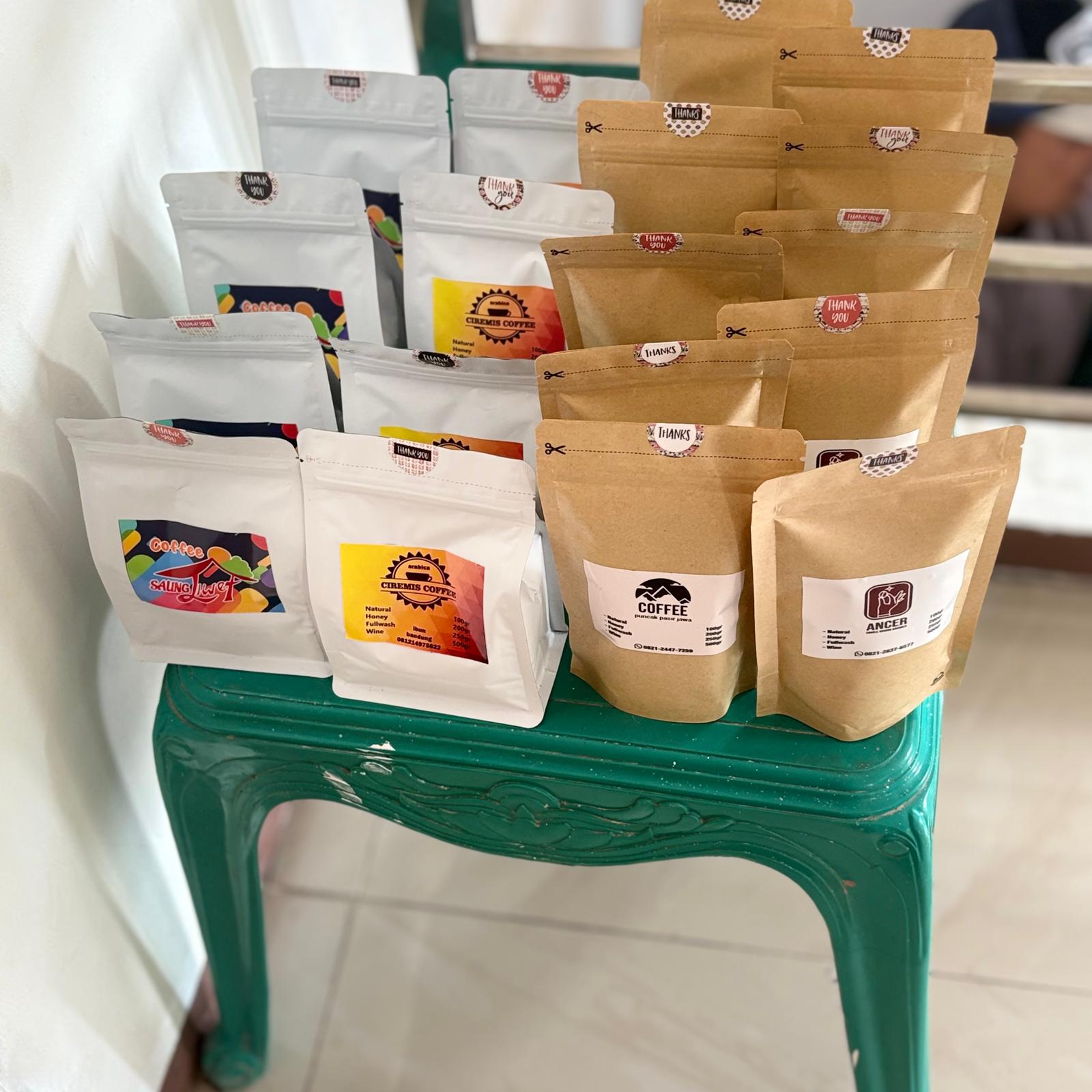
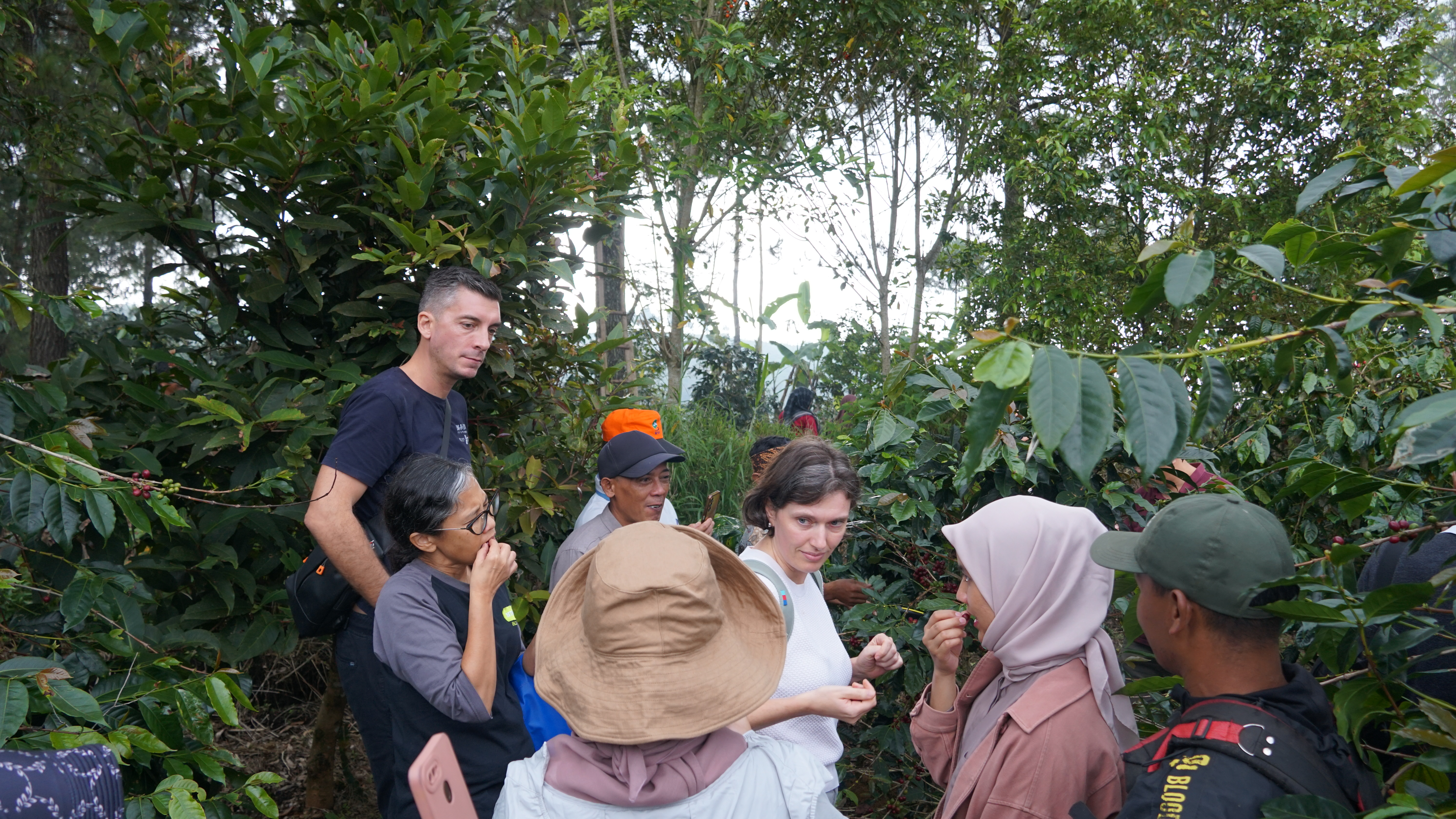
"We want our coffee to reach new markets, and to show that our forests are worth more standing than cut,” said Suryana. "With the right support, we can make this happen - not just for us, but for other communities like ours."
West Java’s farmers are already delivering tangible results: reduced fire risk, improved food security, increased income, and regenerated ecosystems. With sustained support from partners like UNEP, their model offers a compelling path forward - not just for Indonesia, but for forest communities across South-East Asia.
What’s happening in these highland villages isn’t just about coffee - it’s about how local leadership, long-term investment and forest stewardship can work together to restore landscapes, strengthen economies, and redefine what sustainable development looks like on the ground.